
 24 Jul 2024, London: Mexican beer brand Corona Extra (brand value up 40% to USD10.4 billion) has reclaimed the title of the world’s most valuable beer brand, according to a new report by Brand Finance, the world’s leading brand valuation consultancy. Heineken (brand value up 18% to USD9 billion) and Budweiser (brand value up 11% to USD7.4 billion) claim second and third spot. Following a 3.9-point increase in its Brand Strength Index (BSI) score to 85.9 out of 100, Corona has also recorded a noteworthy uptick in brand strength, securing the position as the third strongest beer brand globally. According to research conducted by Brand Finance, consideration, familiarity, overall reputation, and usage metrics have shown a global uptick year-on-year. Corona's strategic initiatives have bolstered its brand recognition and reputation beyond its consumer appeal. Earlier this year, the announcement of Corona Cero as the official sponsor of the Paris 2024 Olympics marked a historic moment, as it became the first beer brand to sponsor the event. Corona Extra is also the world’s fastest growing beer brand, followed by Spain’s Estrella Damm (brand value up 37% to USD1.4 billion) and Singapore’s Tiger (brand value up 30% to USD1.5 billion).Henry Farr, Director, Brand Finance, commented: “Corona has once again reclaimed the title of the world’s most valuable beer brand, a position it previously held for four consecutive years between 2019-2022. This reaffirms the brand's leadership and mirrors evolving consumer preferences for premium and quality offerings. It also offers insights into the broader landscape of the beer industry, where brands committed to quality and innovation are redefining market standards.” China’s Tsingtao (brand value up 21% to USD 2.6 billion) is the world's strongest beer brand, with a BSI score of 87.0 out of 100. Tsingtao maintains a robust presence at home and abroad, with its products now available in over 100 countries worldwide. Through strategic partnerships with distribution channels, Tsingtao continues to fortify its position in key markets, ensuring its widespread accessibility and market growth. Recently, the brand unveiled a new non-alcoholic alternative, showcasing its dedication to adapting to changing consumer preferences. Tsingtao is not alone in its pursuit of international markets. For years, Asian beer brands have been expanding into Western territories. Notably, Japan's Asahi Group Holdings and Kirin (brand value down 1% to USD 3.1 billion), have made significant inroads into Western markets through strategic acquisitions and partnerships, demonstrating a longstanding trend of globalisation in the beer industry. (excerpt from a release)
0 Comments
 24 Jul 2024, London – Elite baijiu brand Moutai (brand value up 1% to USD50.1 billion) extends its reign as the world's most valuable spirits brand for the ninth consecutive year, according to a new report by Brand Finance, the world’s leading brand valuation consultancy. Wuliangye (brand value down 15% to USD25.9 billion) and Luzhou Laojiao (brand value up 6% to USD8.2 billion) sit in second and third. Wuliangye is now the world's strongest spirits brand, with a Brand Strength Index (BSI) score of 90.7 of 100, earning an impressive AAA+ rating. Moutai, with a BSI of 89.9 of 100, also scores the top tier AAA+ brand strength rating. American bourbon whiskey brand, Jim Beam (brand value up 83% to USD539 million) is the world’s fastest growing spirits brand. The brand’s massive surge in brand value has seen it jump 24 spots to 42nd. Germany’s Jägermeister (brand value up 38% to USD914 million) and Italy’s Martini (brand value up 23% to USD586 million) have also recorded solid brand value growth. Henry Farr, Director, Brand Finance, commented: “The strategic manoeuvres of Moutai, Wuliangye, and Luzhou Laojiao exemplify why they lead the global spirits industry. Whether it’s Moutai’s younger audience-targeted campaigns, Wuliangye’s e-commerce advancements, or Luzhou Laojiao’s prestigious sponsorships, these brands are not just maintaining their positions —they are revolutionising the market." Brand Finance also utilises its Global Brand Equity Monitor (GBEM) research to compile a Sustainability Perceptions Index. The study determines the role of sustainability in driving brand consideration across sectors and offers insight into which brands global consumers believe to be most committed to sustainability. For individual brands, the Index displays the proportion of brand value attributable to sustainability perceptions. This Sustainability Perceptions Value is the financial value contingent on a brand’s reputation for acting sustainably. From here, Brand Finance’s perceptual research is analysed alongside CSRHub’s environmental, social and governance performance data to determine a brand’s ‘gap value’. This is the value at risk or to be gained, based on the difference between sustainability perceptions and actual performance. The 2024 Sustainability Perceptions Index finds that in the spirits sector, Moutai leads with the highest Sustainability Perceptions Value of USD5.9 billion. (excerpt from a release) 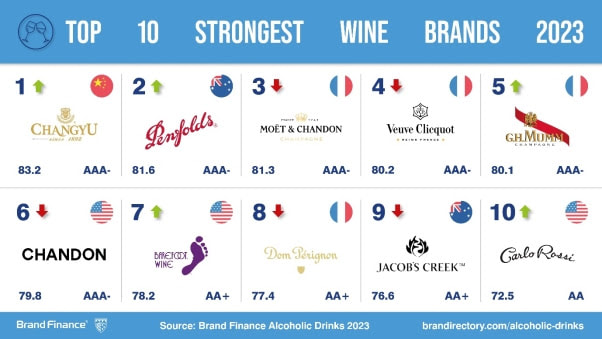   The 2024 Spirits-International-Prestige (SIP) Awards at California, USA, judging identified super outstanding selection of top-ranked single malt whiskies and blended Scotch whiskies world-wide. The Indian origin ‘Kadamba Single-malt whisky’ won Gold medal - a testament to its finest Indian craftsmanship and world-class quality that Kadamba whisky delivers for its commitment to purity, precision and finest ingredients. The SIP Awards are the world’s only internationally recognized spirits competition which hosts real consumers on the judging panel. To the brand's appreciation, Kadamba Single-malt competed with more than 1,300 brands from 56 countries, judged by whopping 302 spirit enthusiast panelists on the basis of best quality aroma, taste and the finish. This scientifically judging rigorous method ensures accurate and consistent results, highlighting the finest products in each of the categories. In addition to this, recently Kadamba Single-malt won 'Gold medal' for its exceptional quality, at the 2024 New York International Spirits Competition, an international competition that serves as the ultimate seal of approval in the spirits industry globally. The judging panel chaired jurors of spirits industry experts, with commercial buying responsibility, to ensure that the competition winners were exactly the type of spirits preferred by trade as well as the end consumers. Commenting on their phenomenal success at these international competitions, Dr. Mohan Krishna, founder of Cheers group stated that, “It’s a moment of great pride for our Kadamba Single-malt whisky to receive grand Global recognition at both SIP Awards and New York International Spirits Competition". “These awards are a true honor and testament to the very reason Kadamba Single-malt was launched in India and in International markets - to be a brand of choice for all, while continuing to offer a premium experience to our Indian and International consumers. We are extremely delighted that at both the recent International Competitions Kadamba Single-malt bagged 'Gold medals' and performed so well at these global award platforms,” says Ashwin Balivada CEO of Cheers group. (excerpt from a release) Kadamba is available in Goa at Rs 2200.  12th June’24, New Delhi: In an extraordinary collaboration bridging the realms of Westeros and the realm of fine spirits, Indri Single Malt Indian Whisky, in partnership with Warner Bros. Discovery Global Consumer Products, proudly introduces its latest masterpiece inspired by the Game of Thrones franchise - the 'House of the Dragon’ Exclusive Edition. Crafted in homage to the highly anticipated return of the HBO Original Series, House of the Dragon, this exclusive edition stands as a unique partnership, the first of its kind in India's single malt market.
The two exquisite expressions are inspired by the iconic councils of Westeros: House of Black: Representing the fiery spirit of the Black Council from House of the Dragon, this single malt whisky entices with notes of sweet toffee, creamy vanilla, and subtle peat on the nose. The palate unfolds a symphony of flavours, from sweet chocolate and toffee to hints of earthiness, dates, figs, and vanilla. The finish leaves a lingering impression of sweet richness intertwined with a gentle peatiness, promising a thrilling journey for the adventurous palate. House of Green: In tribute to the refined tastes of the Green Council, this single malt whisky exudes elegance and sophistication. On the nose, hints of ripe bananas, vanilla, toffee, honey, raisins, and pineapple create an inviting aroma. The palate is delicate yet complex, offering a bouquet of sweet, fruity, floral, and nutty flavours, complemented by elegant spice, chocolate, and dried fruits. As the journey concludes, a subtle sweet finish with lingering fruitiness leaves a lasting impression, reminiscent of the luxurious courts of Westeros. “Partnering with Indri Single Malt Indian Whisky for their House of the Dragon inspired - series is thrilling. It's a fusion of craftsmanship and storytelling, extending their influence into the lives of fans. We are excited to curate products inspired by Warner Bros. Discovery’s' vast entertainment universe, and this collaboration promises to captivate enthusiasts of both Indri and the Game of Thrones franchise," enthused Vikram Sharma, Head of APAC Consumer Products at Warner Bros. Discovery. The Indri single malt whisky whispers a tale—a symphony of flavours that dance upon the palate, invoking the senses and stirring the soul. Every sip of this exclusive edition is an invitation to embark on a journey through the ancient annals of Westeros, where legends are born and destinies are forged. With each expression, whisky enthusiasts and fans of the acclaimed series alike can raise their banners and choose a side. Speaking about the collaboration, Siddhartha Sharma, Founder, Piccadily Distilleries, expressed his excitement, stating, "We are thrilled to embark on this epic journey with Warner Bros. Discovery Global Consumer Products to celebrate HBO's House of the Dragon, bringing the rich legacy of Westeros to life through the artistry of our single malt whisky. This innovative partnership sets a new standard for collaboration and creativity, further solidifying Indri's position as the leading whisky brand from India.” The ‘House of the Dragon’ Exclusive Edition by Indri will be available in select premium outlets in India and exclusively at Delhi Duty Free with price ranging between INR 6000 – 11,500 depending upon the state available in. (excerpt from a release)  Amidst the growing renaissance of rum, "Those Good Distillers" introduce IDAAYA in India. A premium sipping rum from the heart of the Himalayas crafted by blending Indian rum and 12 year old Bourbon aged Latin American rums.
The creation of IDAAYA is inspired by the methodologies of Arthashastra, where in the forgotten pages of our ancient scriptures, a drink was made by fermentation and distillation of sugarcane juice. The mountains are intrinsic to the character of our rum, high mountain altitude, crisp cool air and Himalayan spring water and bring forth a unique character to our rum. 12 YO rum that has been aged in Bourbon casks, blended in a Solera system in Sal wood casks with Indian Rum, using ancient methodologies whilst treating the casks all add to the depth of flavour, with rich aromas to nose. This craftsmanship brings together a smooth, well-rounded 100% rum with no added sugar and no added flavour. Vibrant deep amber colour that to nose reveals notes of jaggery, vanilla and all-spice. On the first sip, it slowly unravels the caramel notes followed by delicious notes of dark chocolate, jaggery, tropical fruits, dried fruits, all-spice toasted vanilla and oak. IDAAYA has received international acclaim by winning a Double Gold at the International SIP Awards 2024, the only internationally recognized consumer judging spirits competition based in Los Angeles, California. Additionally, it earned a Silver award for Rums made in Asia at The Asian Spirit Master 2024 chaired by The Spirits Business and Bronze at the International Wine and Spirits Competition 2024, further solidifying its status as a world-class spirit. Founder and Chief Everything Officer of IDAAYA, Karishma Manga Bedi further adds, “IDAAYA strives to capture the essence of discovering a moment of reflection and the spirit of exploration in every bottle. We aim to offer our customers more than just a premium rum; we provide a unique experience that takes them through a doorway of limitless discovery with each sip.By prioritising quality, authenticity, and innovation, we ensure that every bottle of IDAAYA represents our unwavering commitment to excellence in the spirits industry.” Currently available at duty free shops in Delhi, Mumbai and Bangalore, this homegrown rum will soon be available in India’s premium restaurants and bars. (includes excerpts from a release)  Chris Yorke, CEO AWMB © Austrian Wine / Anna Stöcher 500 Austrian wineries exhibited their products in Vienna’s Hofburg, which welcomed more than 1,200 wine experts from 58 countries, making this year’s VieVinum a record-breaking event. Never before have so many international guests travelled to Vienna.
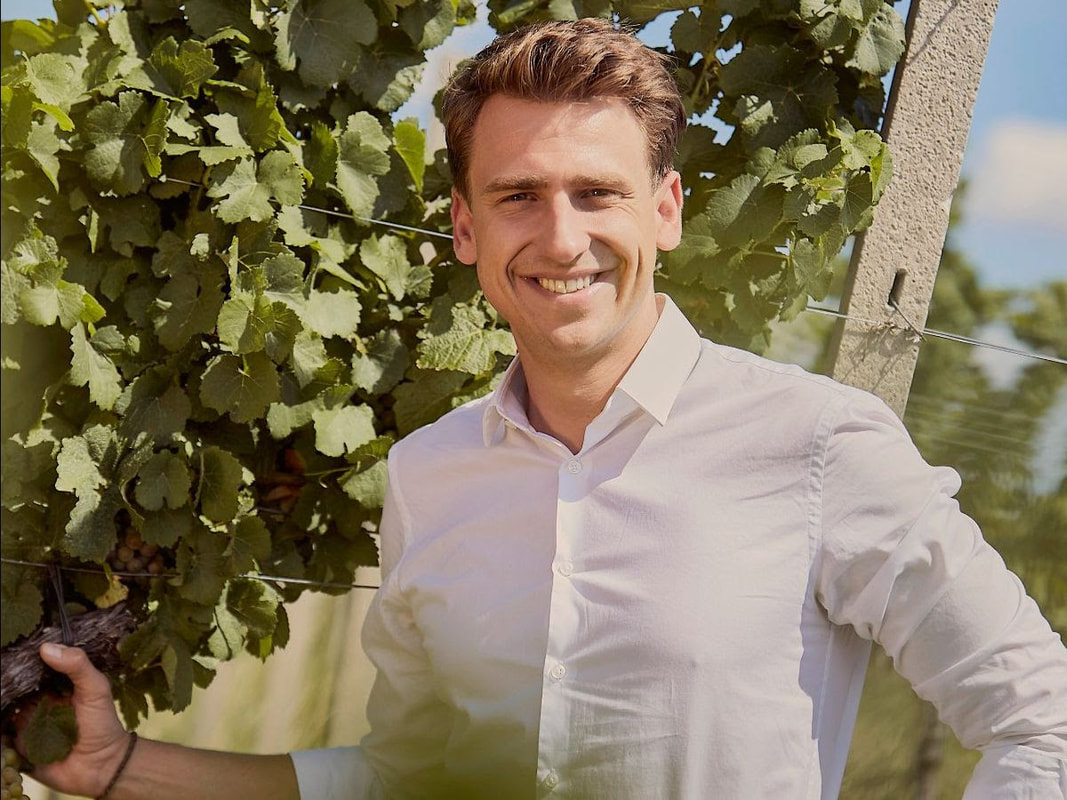
“This year’s VieVinum is breaking all records! Never before have so many international trade guests accepted our invitation to Vienna,” says a delighted Chris Yorke, CEO of the Austrian Wine Marketing Board (Austrian Wine). “This is crucial for our wineries because the economic situation is not easy for them at the moment. It also shows how sought-after our wines have become around the world.” Over the course of three days, 500 Austrian wineries presented their products to more than 1,200 international experts from the wine trade, the hospitality industry and the press – attending from 58 different countries. Guests included the elite of the international wine world, such as the 2023 Best Sommelier of the World, Raimonds Tomsons, six Master Sommeliers and 21 Masters of Wine – experts holding two of the most prestigious wine qualifications in the world. “International dialogue like this is key to increasing appreciation for the work of our winemakers and boosting demand for their wines around the world,” explains Yorke. Export value has increased more than sevenfold since the first VieVinumVieVinum, organised by M.A.C. Hoffmann, has been a central platform for the success of Austrian wine exports since 1998. Over the last 25 years, Austria’s export value has increased more than sevenfold, reaching 238 million euros in 2023. “Wine exports are very important for our winemakers because we have few growth opportunities left in the Austrian market,” explains Yorke. “Every bottle exported promotes our excellent wines on the international stage and also relieves pressure on the domestic market.” Bacchus Prize goes to Anne Krebiehl MW and Gerhard RetterThe international Bacchus Prize for outstanding services to Austrian wine was awarded for the first time at this year’s VieVinum. It went to the Master of Wine Anne Krebiehl and the renowned sommelier Gerhard Retter. As Chris Yorke emphasised in his speech, Krebiehl and Retter have played a major role in raising international awareness of Austrian wine for many years. Comprehensive programme of supporting events offered unique insights into the Austrian wine industryOn Friday, Austrian Wine invited its guests to an exclusive tasting of premium Austrian wines at the Palais Niederösterreich. At the tasting, International Heroes, i.e wines with top international ratings, were presented alongside Rising Stars, which are wineries that are on the cusp of making an international breakthrough. After the tasting on Friday evening, Austrian Wine invited its guests to a large get-together at Vienna’s Museum of Applied Arts (MAK). During the fair, a range of supporting events gave trade visitors the opportunity to gain unique insights into Austria as a wine-growing country. These included a masterclass where three of the world's best ASI sommeliers presented their favourite Austrian wines, along with dozens of tastings organised by the School of Wine and events organised by wine-growing regions and associations. The keen interest in Austrian wine among international visitors is also underlined by the fully booked trips to the wine-growing regions of Niederösterreich (Lower Austria), Burgenland and Steiermark (Styria) which are taking place straight after the VieVinum. ( Excerpt from a release)  John Distilleries Pvt Ltd's Paul John Whisky, renowned for its exceptional award-winning Indian single malts, proudly introduces its exclusive partnership with Avolta Duty Free to unveil an exclusive single cask release for global travellers at Kempegowda International Airport Bengaluru. This single cask single malt expression is bottled exclusively for global travel retail and is available at the T2 Duty Free from 30th May. The cask is dedicated to the city of Bengaluru and the packaging has been thoughtfully designed, capturing the glorious spring blossoms of this famous Garden City. This release marks a significant milestone in the brand's illustrious journey, epitomising its commitment to excellence and innovation in the world of whisky. Crafted in the tropical coast of Goa, India, this exotic single-cask Unpeated Madeira expression embodies the essence of Paul John Whisky's artistry. Aromas of delightful Christmas cake, dry plum, and Manuka honey laced with a lively orange zest lead to a blend of rich flavours, from sweet vanilla and dark chocolate to a subtle tinge of dry resin, culminating in a bold and gratifyingly oaky finish. “We are honoured to launch our first exclusive single cask global travel release at Bengaluru International Airport Duty Free with our partners Aolta, and to offer an elevated and unique whisky experience to travellers,” said Paul P. John, Chairman of John Distilleries Pvt Ltd. “The city holds a special place in our hearts, and partnering with one of the finest airports in the country is a true honour. This exclusive release is a tribute to Bengaluru that allows us to showcase the vibrant flavours of India in every sip. We are excited to present a taste of our finest creation, available exclusively at the airport's Duty Free.” With only 228 bottles, this non-age statement (NAS) single-cask release is priced at USD 300 per bottle. With a track record of over 305 international awards, including recognition as the Best Distillery and Best Master Distiller, Paul John Whisky continues to set the standard for excellence in the Indian whisky industry. (Excerpt from a release) The expression is bottled at 58% alcohol and is unpeated with a Madeira Cask finish.  The International Wine Challenge, the world's most influential, impartial and rigorously judged global wine competition, has announced the results of its 2024 competition, marking its 40th year. Medals were awarded to 38 winemaking countries following a blind tasting by an international panel of experts last month. While France, Australia and Spain remained top of the medal table, niche wine producing countries England, Georgia, Japan, Canada, Romania, Ukraine and India all saw an increase in the number of medals awarded.
The improving quality of wine around the globe is evident in this year’s results, with many countries gaining more medals than ever before. England has seen a rise in medals with 13 Gold, 54 Silver and 58 Bronze, having climbed up the medal table to 9th place this year from 10th last year. Canada gained 14 more medals than last year, with 3 Gold, 27 Silver and 29 Bronze. The Niagara Peninsula was the standout region winning 46 of the medals, compared to the 28 medals it won last year. Georgia also won more medals this year, in particular the Kakheti region which won 48 out of the 51 medals awarded to Georgia with most wines awarded being skin-contact white or red. Japan has won its most ever Gold medals for wine with two going to Chardonnays, both won by Takahata Winery, and one going to a Koshu wine. Other countries with significant gains were Romania with 12 more medals than last year, including 5 Silver and 13 Bronze, giving them a total of 18 medals. Ukraine saw an increase from just 1 medal last year to 8 this year, 7 Bronze and 1 Silver. India also gained an extra 3 medals with 5 Bronze medals awarded. Wines from Chandon, Sula, Fratelli and Big Banyan saw getting the Bronze and Commended medals. The full list of medal and trophy winners in the 2024 International Wine Challenge can be viewed here. 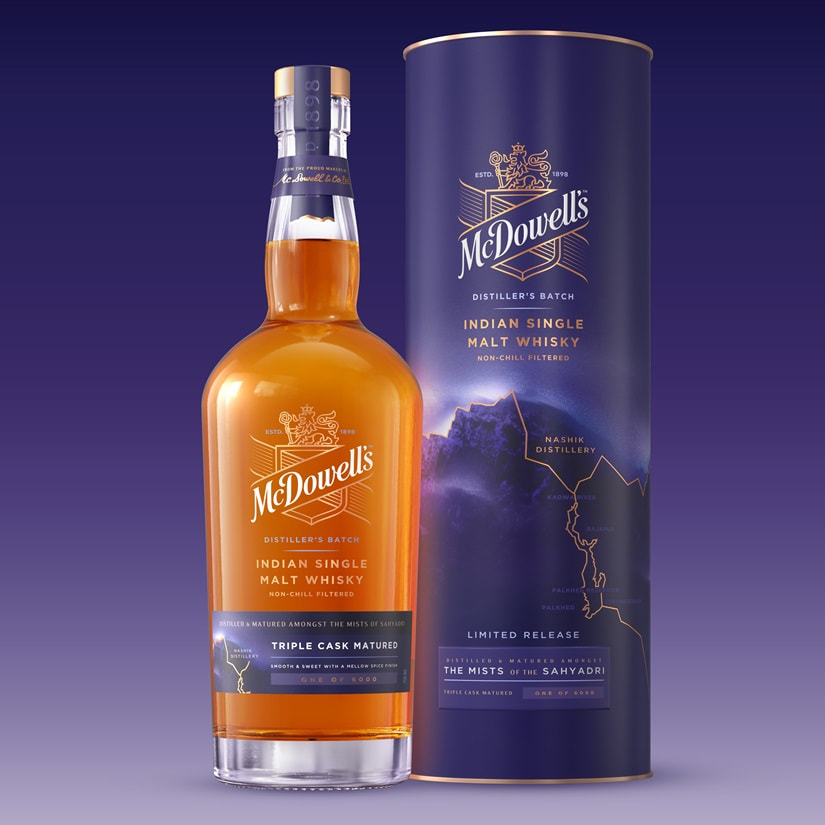 The world’s largest selling whisky McDowell – now in its first-ever luxury avatar. From the heart of the Western Ghats, nestled among the misty peaks and valleys of the Sahyadris, emerges an extraordinary spirit: the McDowell’s & Co. Distillers Batch Indian Single Malt.
Celebrating McDowell’s illustrious 125-year heritage, this limited-edition single malt is an exquisite whisky available to a select few. Crafted through a signature triple-cask distillation process, the liquid exudes notes of sweet wood and luscious fruit - a mark of excellence for your dram collection. Standing as a tribute to Indian artistry, provenance, and rarity, encapsulated within 6000 bottles. It is first matured in Ex-Bourbon and Virgin Oak Casks and then in Cabernet Sauvignon and Shiraz casks unique to the Sahyadri terrain, which add an exceptional vintage character to the whisky, making it unlike any other. On the nose, the whisky boasts aromas of vanilla and rich fresh fruit, complemented by gentle afternotes of citrus and spice. On the palate, it offers a velvety richness and complex layers of sweet wood and fresh fruity flavours, resulting in a mellow-sweet and lingering finish. Speaking about the launch, Vikram Damodaran, Chief Innovation Officer, Diageo India, says, “With McDowell’s & Co, we are placing consumers at the forefront by curating unparalleled drinking experiences with world-class spirits that embody luxury and craftsmanship. With seven distilleries strategically located across the country, access to unique local ingredients and raw materials, and a team of over a hundred skilled craftspeople, we are pushing the needle of innovation to revolutionize the way Indian consumers drink and socialize. Our McDowell’s & Co Distiller’s Batch Indian Single Malt is the first of many new liquids to come from our premium portfolio and is a tribute to our rich legacy. With provenance, luxury, and rarity at its core, this spirit represents the pinnacle of whisky craftsmanship – backed by 70 years of expertise and crafted for discerning consumers who value the best that India has to offer.” Founded 125 years ago, McDowell’s and Co stands as India’s original alco-bev pioneer - synonymous with excellence, high quality, and fine spirits. In 1959, the company established its first distillery in Cherthala, Kerala. This marked the genesis of the McDowell's No.1 brand, which soon launched its brandy and later expanding to introduce whisky and rums, thereby becoming the first to offer a diverse portfolio of spirits from a single house of brands. In 1968, the brand launched McDowell's No.1 Whisky, marking the inception of the world’s largest selling whisky, born out of India. It is currently available in Haryana only. ( Excerpt from a release) 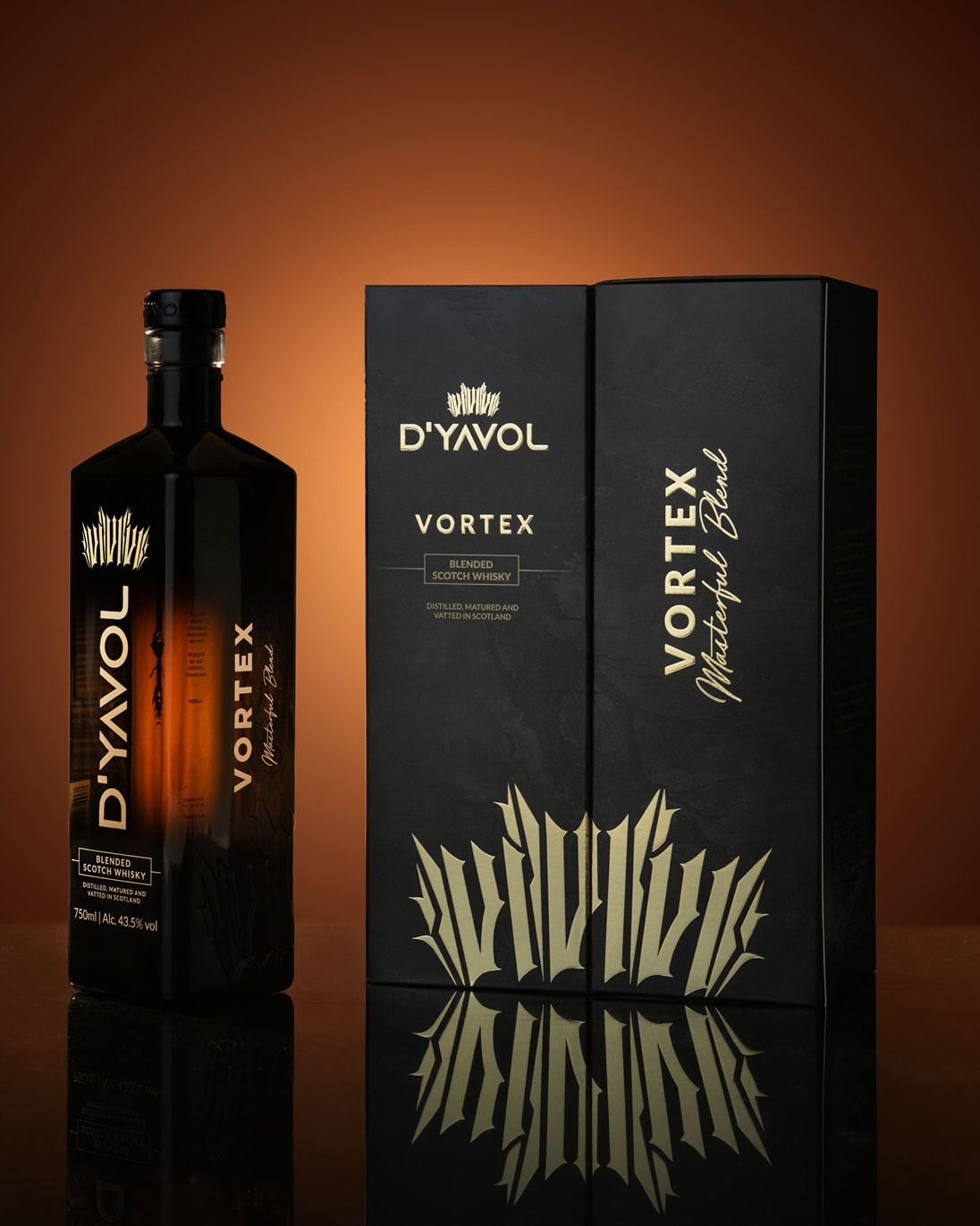 D’YAVOL, a global luxury collective, unveils D’YAVOL VORTEX, a premium blended Scotch whisky. VORTEX delivers a full and complex palate, striking a perfect balance between rich malt flavours, sherried sweetness, and subtle peat. Crafted by marrying carefully selected single malt and single grain whiskies from across Scotland, VORTEX stands out with its layered character, leading consumers on a journey of sensory discovery.
Following the successful launch of D'YAVOL Single Estate Vodka and D'YAVOL INCEPTION, a 100% blended malt Scotch whisky, in 2023, D'YAVOL VORTEX represents a strategic move to explore diverse expressions within the premium Scotch whisky category. Partnering with beverage industry leaders AB InBev India strengthens D'YAVOL's position in the market and bolsters its ambition to become a leading premium spirits collection. Commenting on the launch, Vineet Sharma, Vice President – Marketing and Trade Marketing, AB InBev India, says, “We are thrilled to introduce VORTEX, a remarkable blended Scotch whisky that further strengthens D’YAVOL’s position as a leading purveyor of exceptional spirits. This launch reinforces D’YAVOL’s dedication to offering a diverse portfolio of premium spirits, allowing consumers to discover their perfect choice. “ VORTEX offers a tantalising sensory experience with its rich aroma characterised by malty sweetness and fruity undertones intertwined with subtle peat. On the palate, indulgent notes of orchard fruit, creamy vanilla, and fudge dance harmoniously with a touch of soft smoke. The finish is exquisitely smooth, leaving behind lingering notes of peat and spiced fruit. Best savoured neat, this exceptional blend is presented in a 750ml bottle with an ABV of 43.5%, available at an MRP of ₹5,350 in Maharashtra and ₹4,500 in Goa (excerpt from a release) On World Creativity Day, Bombay Sapphire Gin Launches “Saw this, Made this” cocktail campaign4/22/2024 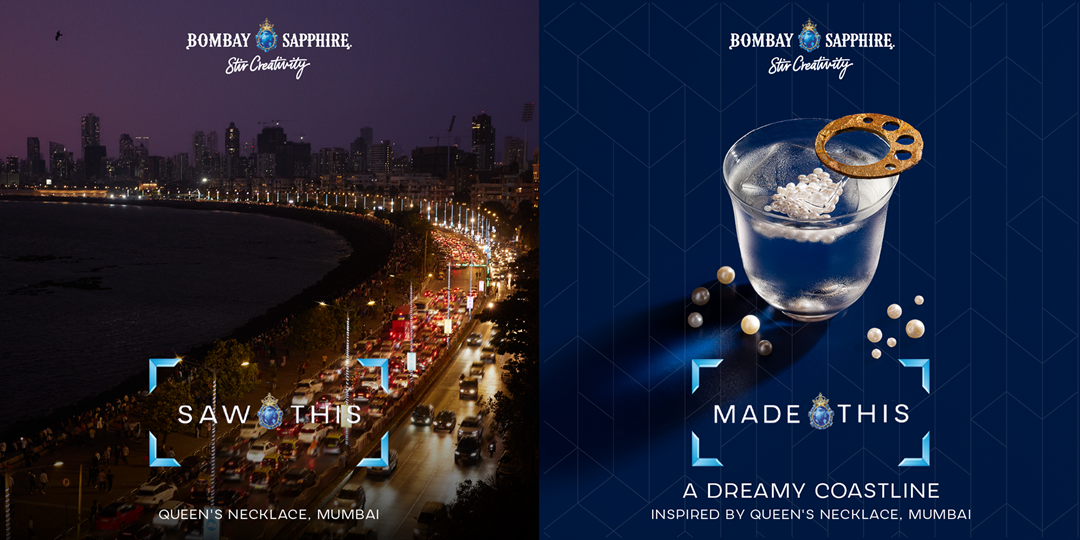 Bombay Sapphire's Stir Creativity aims to revive and enable creative self-expression amongst the audience as the world around us is overflowing with inspiration. With a strong belief in the creative potential that exists within everyone, waiting to be sparked by the most unexpected things, The “Saw this Made This” campaign aims for us to get inspired by the landmarks, natural art or beauty around us and riff on it to create an extraordinary new art. It also aims at bartenders to get inspired from the cities we live in and craft a Bombay Sapphire special cocktail. 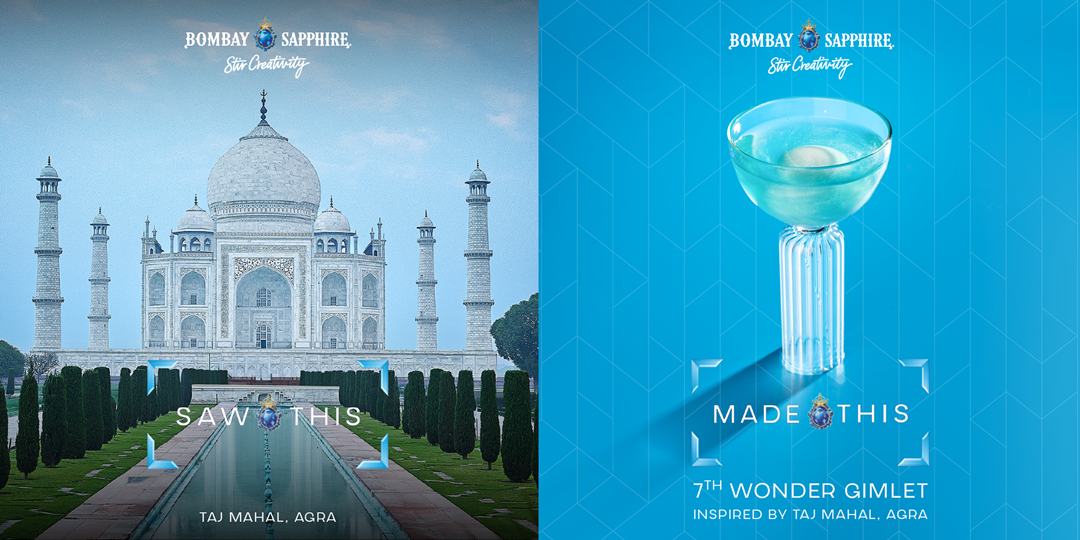 The endeavor offers gin enthusiasts a combination of India’s rich tapestry and art of mixology. Each cocktail in this city-inspired menu is a tribute to the vibrant locales that define the essence of India. For instance, the beauty of the intricate details of Taj Mahal’s majestic minarets in Agra, the vibrant queen’s necklace of Mumbai, the delicate pink trumped trees of Bengaluru's Cubbon Park and the laid-back charm of the tall palm trees in Goa's Parra Road. Infusing the essence of each of these beloved destinations into each sip, the cocktails transport drinkers on a captivating journey through the heart and soul of India's vibrant landscapes.
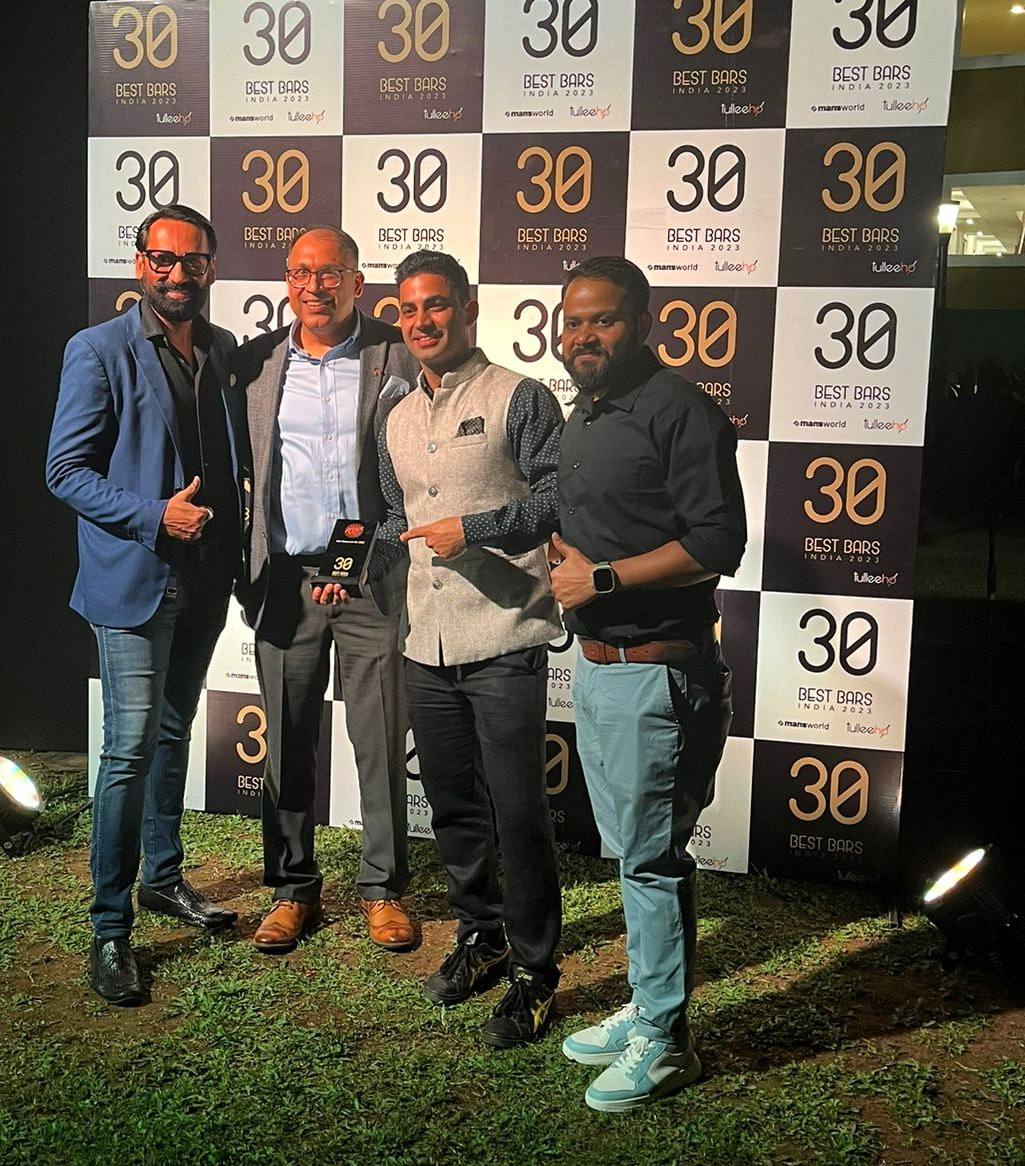
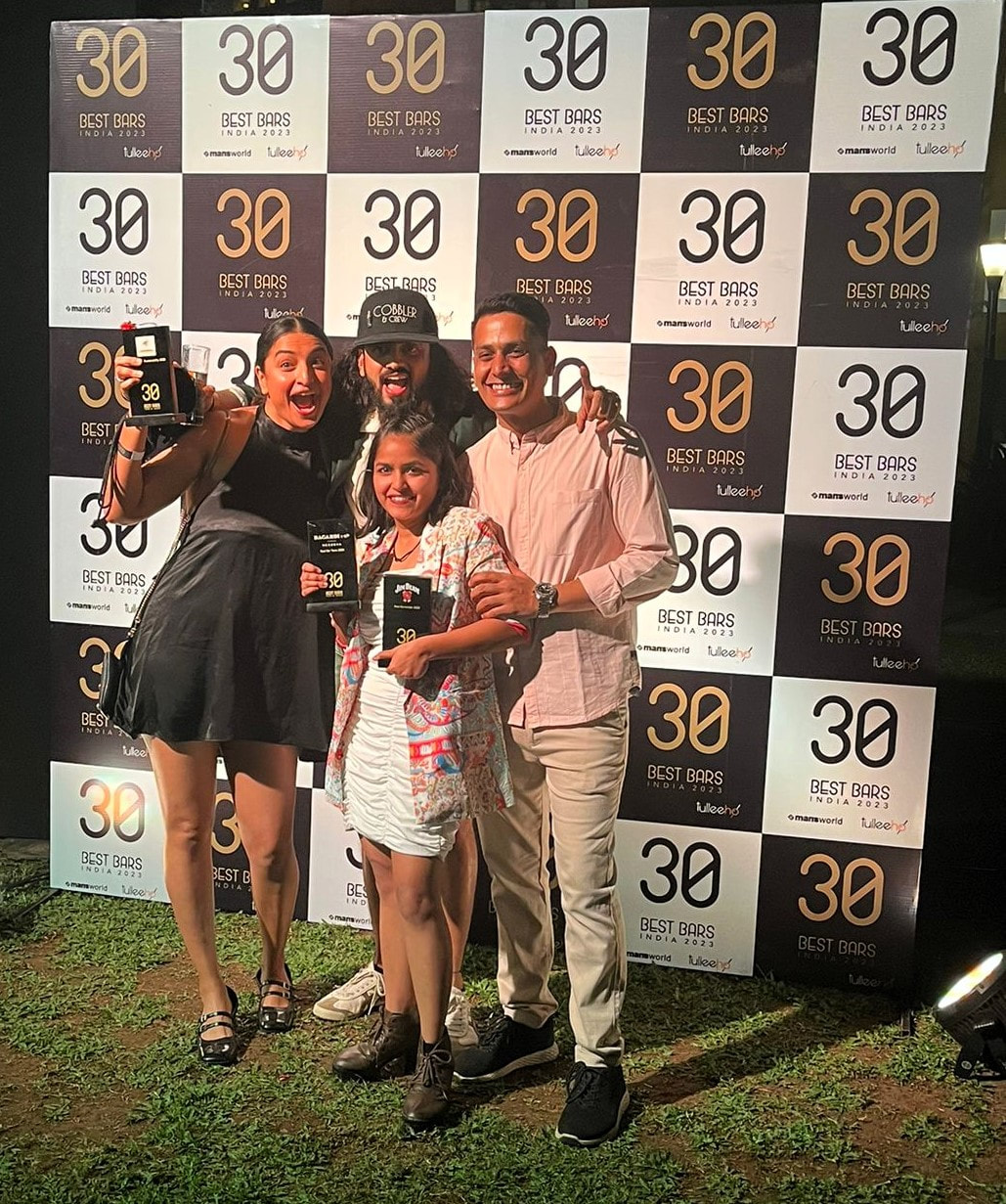
“What I’ve found surprising is that so many things that could be quite ordinary until someone shows what it could be turned into. For us at Bombay Sapphire, we’ve seen how bartenders have crafted their cocktails because they saw something in these cities that they’ve fallen in love with. The campaign is something that a lot of bartenders have taken to heart. We’ve heard so many stories from bartenders about how they’ve had a new love for their craft, and discover this renewed, creative energy and inspiration,” says Mahesh Kanchan, Marketing Director at Bacardi India ( Excerpt from a release) 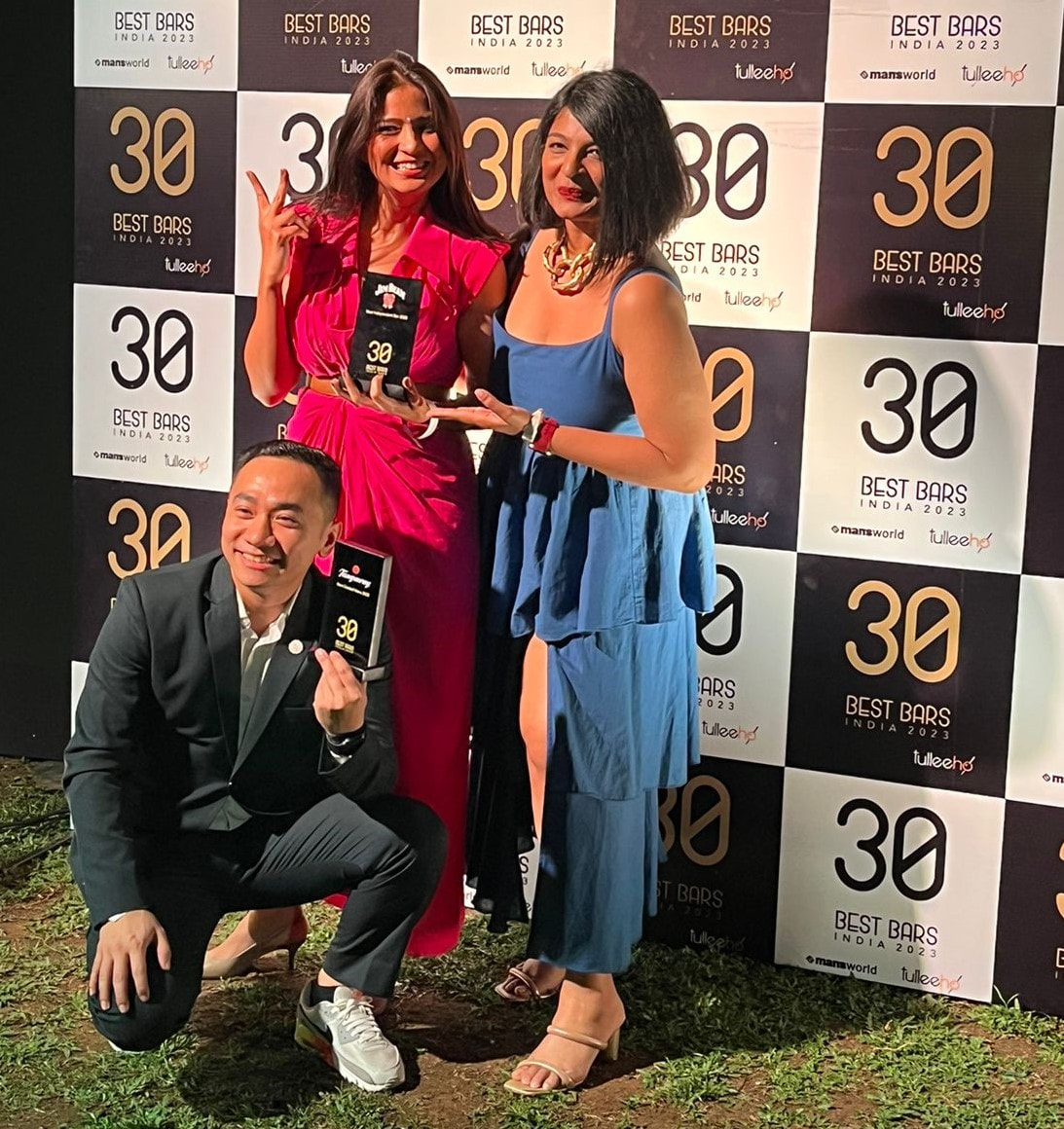 Delhi's Sidecar walked away with top honors once again at the 4th edition of 30BestBarsIndia, the country’s most prestigious bar ranking and awards platform, at a ceremony held at Taj Cidade de Goa Heritage last night. Besides being ranked India’s #1 Bar for the second year in a row, it also walked away with the Best Independent Bar Award and the Best Cocktail Menu Award - for Arq, a menu inspired by quintessential Indian ingredients. Pune’s Cobbler & Crew (#2) took home 4 awards this year – Highest New Entry, Best Bar Team, Best Bartender (Aashi Bhatnagar), and Best Work in Sustainability (along with Pune’s Soy Como Soy). Notably, Pune also captured the People’s Choice Awards – with Elephant & Co. Kalyani Nagar (#47) deemed People’s Choice Best Bar and TOIT awarded People’s Choice Best Microbrewery or Taproom. Bangalore bars stepped into the spotlight as well, with ZLB 23 – The Leela Palace (#6) bagging Best Bar Design. It was also awarded the Best Hotel Bar alongside Copitas – Four Seasons Hotel (#4). The city’s favourite watering hole, TOIT (#29), was the winner of the Best Microbrewery or Taproom Award. PCO New Delhi was this year’s Highest Climber – jumping eight spots to #12. The Best Restaurant Bar went to Gurgaon’s Comorin (#11). The Best Non-Alcoholic Cocktail Menu was awarded to Chennai’s Pandan Club, for its innovative storytelling and presentation of Zero ABV drinks. Additionally, AD Singh, Founder & MD, Olive Group of Restaurants was honoured with the Industry Icon Award while Polo Lounge, Hyatt Regency Delhi took home the Timeless Bar Award. Vikram Achanta, Co-Founder, 30BestBarsIndia says, “The anticipation for the awards increases year-on-year, and this year, we saw noticeable jumps in the list. Eleven new bars made their way into the top 30 list, showcasing the pace at which Indian bars are innovating. As standards continue to increase in the industry and global eyes watch India’s beverage landscape evolve, bars need to continue pushing boundaries across cocktail programs, adopting new techniques, and enhancing bar talent to stay relevant.” Radhakrishna Nair, Co-Founder, 30BestBarsIndia added, “Many rankings this year were closely fought affairs, especially among the top bars in the country, with very few votes separating them. Every year, we re-evaluate our award categories to stay relevant with what’s taking place in the bar landscape, both nationally and internationally. It is in keeping with this strategy that we introduced the Best Non-Alcoholic Cocktail Menu award this year to recognize bars that are making strides with zero-ABV drinks.” Appended is the Top 30 List:
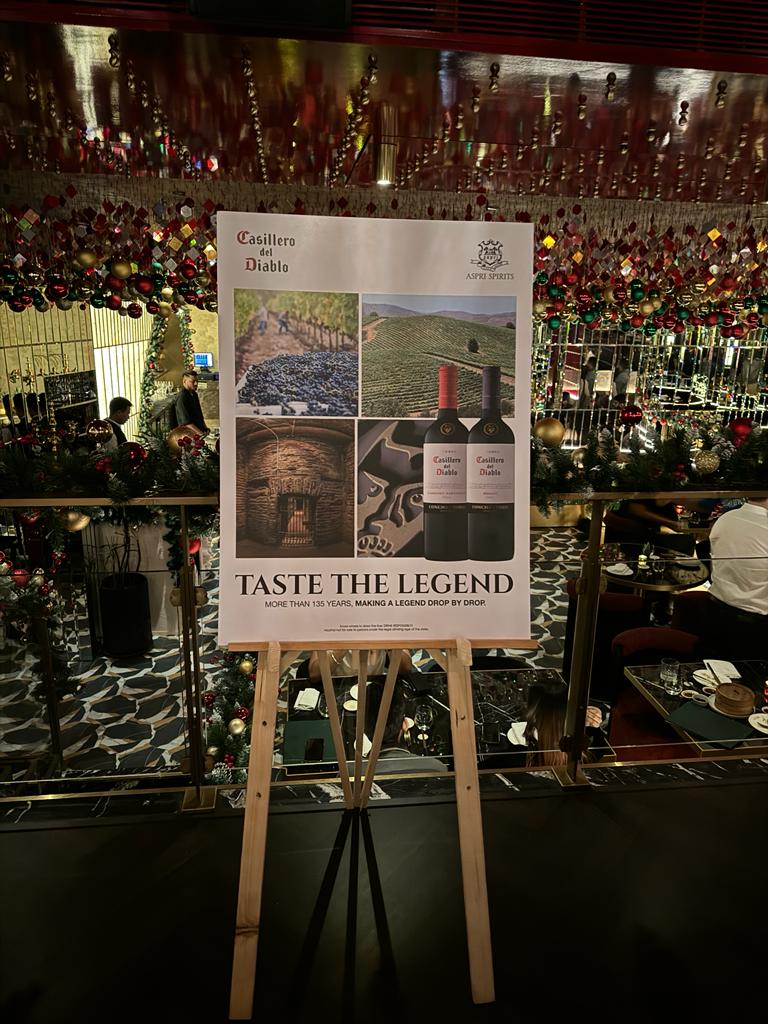
Chilean Concha y Toro; latin America's largest wine producer hosts a masterclass in mumbai1/10/2024 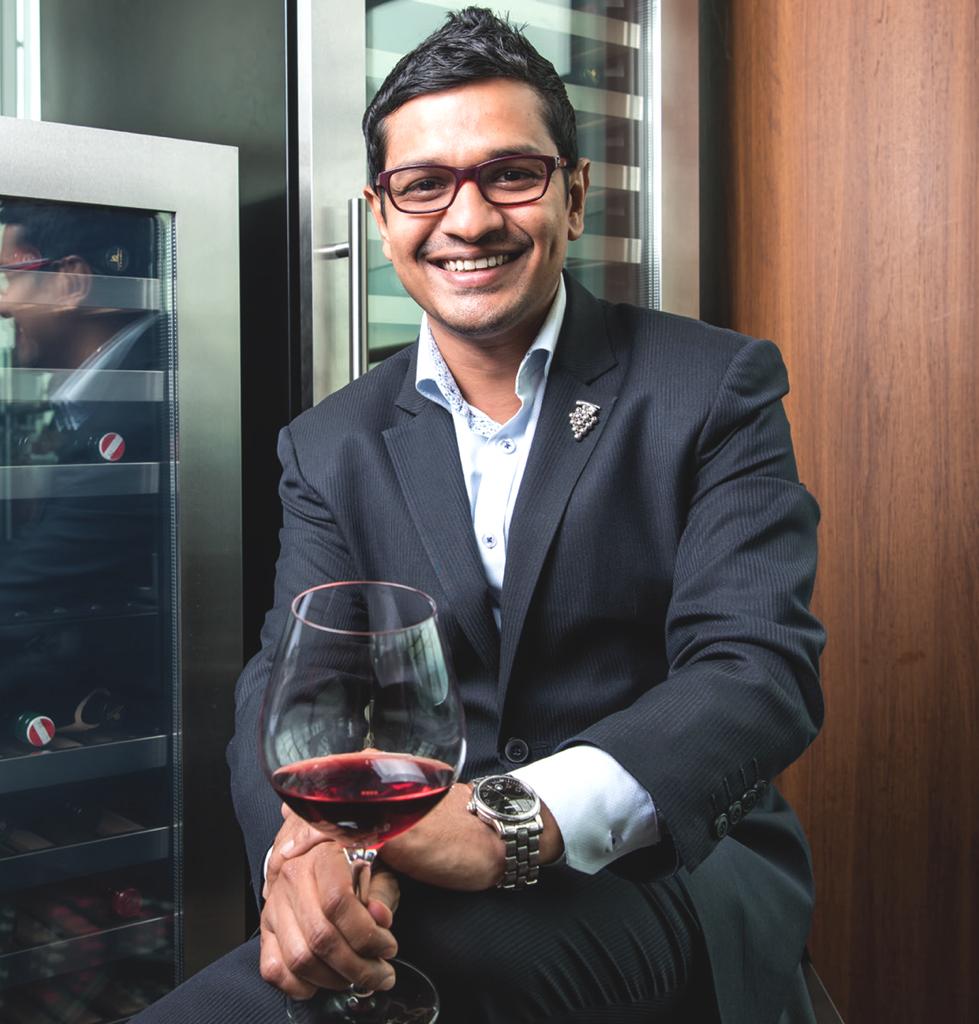 Sommelier Fazil Mohammad Renowned wine expert and Brand Ambassador of Viña Concha y Toro S.A., Mr. Fazil Mohammad, recently concluded a successful visit to India where he steered conversations around wine and conducted an exclusive Wine Masterclass in association with Aspri Spirits, Concha Y Toro's exclusive importers in India. The visit aimed to elevate India's vibrant wine scene by showcasing Concha Y Toro's legacy and expertise through a series of exclusive engagements, culminating in a captivating wine masterclass. Concha y Toro is one of the most admired wine producers and exporters with a sales presence in 130 countries and 13 distribution offices. The brand is Latin America’s largest wine producer with over 12,000 hectares of vineyards planted in Chile, Argentina, and the USA. During his visit, Mr. Fazil engaged with wine enthusiasts, industry professionals, and media representatives, sharing insights and history about the brand. The Wine Masterclass, led by Mr. Fazil, provided a unique opportunity for attendees to delve into the world of Vina Concha Y Toro wines and gain a deeper understanding of their heritage and craftsmanship. He also informed the audience about Concha y Toro being a part of the global community of Certified B Corporations and its inclusion in the Dow Jones Sustainability Index for the last eight years. "We are thrilled to have hosted Mr. Fazil from Vina Concha Y Toro. The masterclass conducted by him underscores our commitment to introduce global pioneers like Vina Concha Y Toro to our discerning consumers. With over 140 years of history, Vina Concha Y Toro has achieved remarkable recognition globally by being named among the “Top 100 Premium Wine and Spirits Brands of the World” at the exclusive 2023 Luxury Lifestyle Awards. The winery was also included among the “Top 100 Wineries of 2023” by the distinguished Wine & Spirits Publication, and we are thrilled to bring this forward to our Indian consumers," remarked Mr. Jackie Matai, Co-Founder of Aspri Spirits. Commenting on his first visit to India, Brand Ambassador of Concha y Toro, Fazil Mohammad, expressed enthusiasm about the company's entry into the Indian market, stating, "We are thrilled to be working with Aspri Spirits to bring the best of Chilean winemaking to India with the likes of Casillero del Diablo and Frontera. Both brands have a rich heritage and a commitment to quality that aligns perfectly with the discerning taste of Indian consumers. We believe that the premium quality of Casillero del Diablo and the vibrant charm of Frontera will resonate well with the Indian palate." (excerpt from a release) The Vault Festival 2024, Asia’s Premier Craft Spirits Festival is Back at Jio World Garden, Mumbai1/9/2024 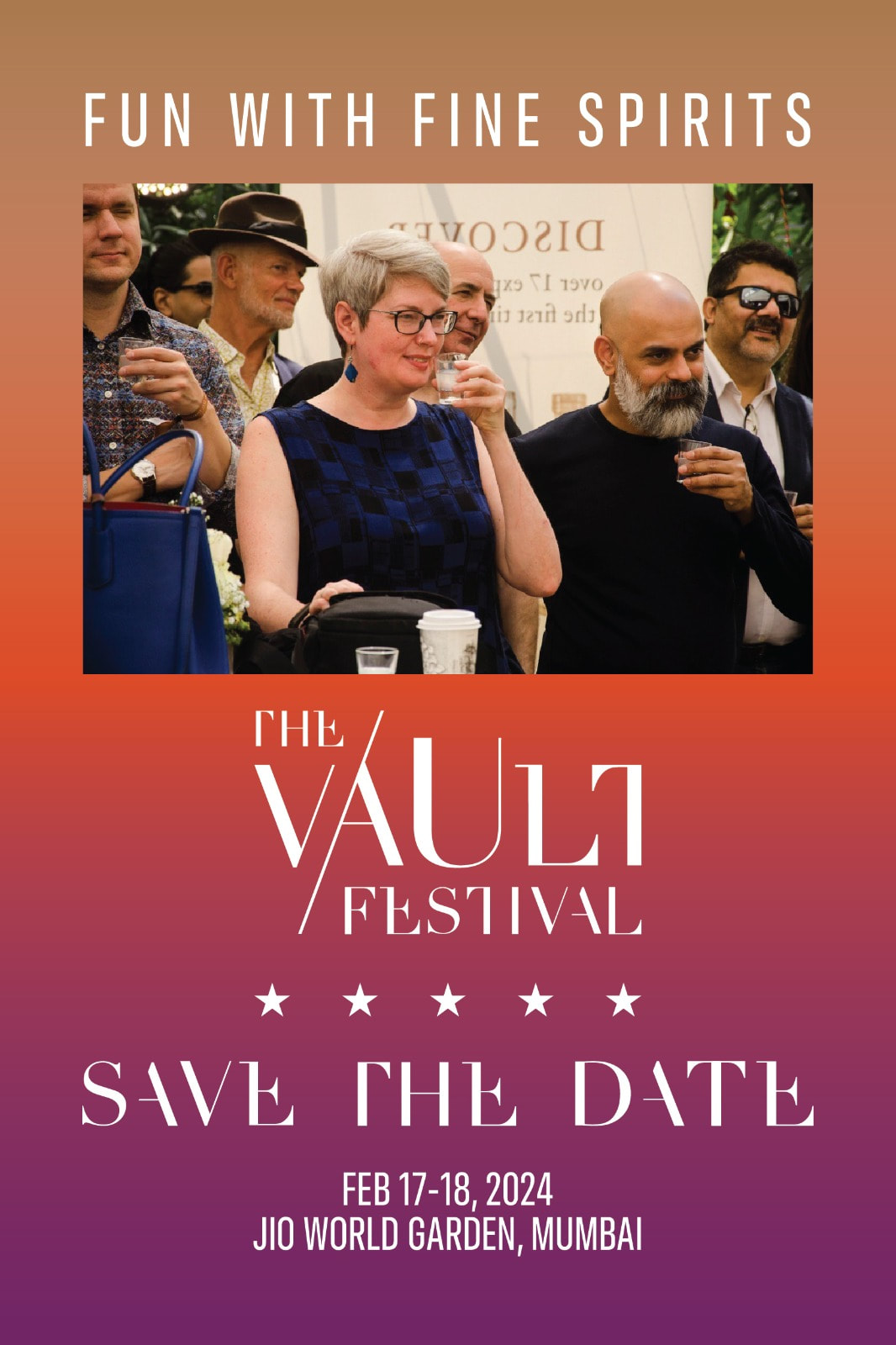 The Vault Festival, Asia’s premier craft spirits festival is back with its highly anticipated third edition to take place at the Jio World Garden on February 17 and 18, 2024. The event is an unparalleled experience for those with a curious inclination to the world of craft spirits. Limited early bird tickets are live and start from INR 999 till INR 2999 for the platinum passes, all inclusive of taxes.
Akin to the previous two editions, the festival presents four unique experiential pillars with an added edge of Certification Trails, for visitors to hone their skills in spirits, mixology, and hosting from the best minds in the game. Pre-book certifications will be available at INR 599 (All Incl.) for a limited time. With the core vision of creating a conversation-forward platform for connoisseurs, new-age experimentalists, and driven enthusiasts of the spirit community, it invites visitors to come forward and transform their understanding of spirits and mixology. The 2024 edition will have specific pavilions dedicated to Tequila, Rum, Whisky, Gin, Saké, and more with over 50 boutique international labels and Indian craft creations. Speaking on the occasion, Keshav Prakash, Founder of The Vault and Curator of The Vault Festival, said, “We are thrilled to bring back The Vault Festival for its third edition, promising an unparalleled experience as Asia’s premier craft spirits event for aficionados and enthusiasts alike. This year, we've curated a lineup that celebrates the ‘slow-drink’ movement of craft spirits and provides an immersive behind-the-scenes journey into their production. To give our audience a truly holistic experience, we’re all set to launch our Certification Trails for our visitors to take away authentic learnings from the festival. By providing an open forum between luxury craft spirit makers and the burgeoning spirit community, we want to bring forth the culture of spirit appreciation, rather than promoting casual consumption.” The festival is designed keeping in mind four distinct experience pillars to provide an immersive deep dive into the world of craft spirits: - Taste – A space to experience global boutique spirits and Indian craft distillations directly from their makers. Nose-sip-savour, with other fine spirits enthusiasts and connoisseurs. - Discover – Think multi-sensory experiential venues, where one can explore what goes behind the scenes in crafting a spirit, with small, artisanal bites to pair. - Listen – Engage with stories, conversations, and masterclasses with the who’s who of the Food & Beverage space. - Indulge – A spread of cutting-edge cuisines and new-age bar inventions by gourmet chefs and leading mixologists celebrating exquisite food and drink pairings. A journey through tastings and immersive masterclasses, the festival is a cultural phenomenon spread over one weekend of exclusive learning with spirit-focused arenas, bold cocktails, exquisite food pairings and dialogues with the best minds of the Food & Beverage industry. Visit - https://thevaultfest.com/. for more details. (Excerpt from the release) 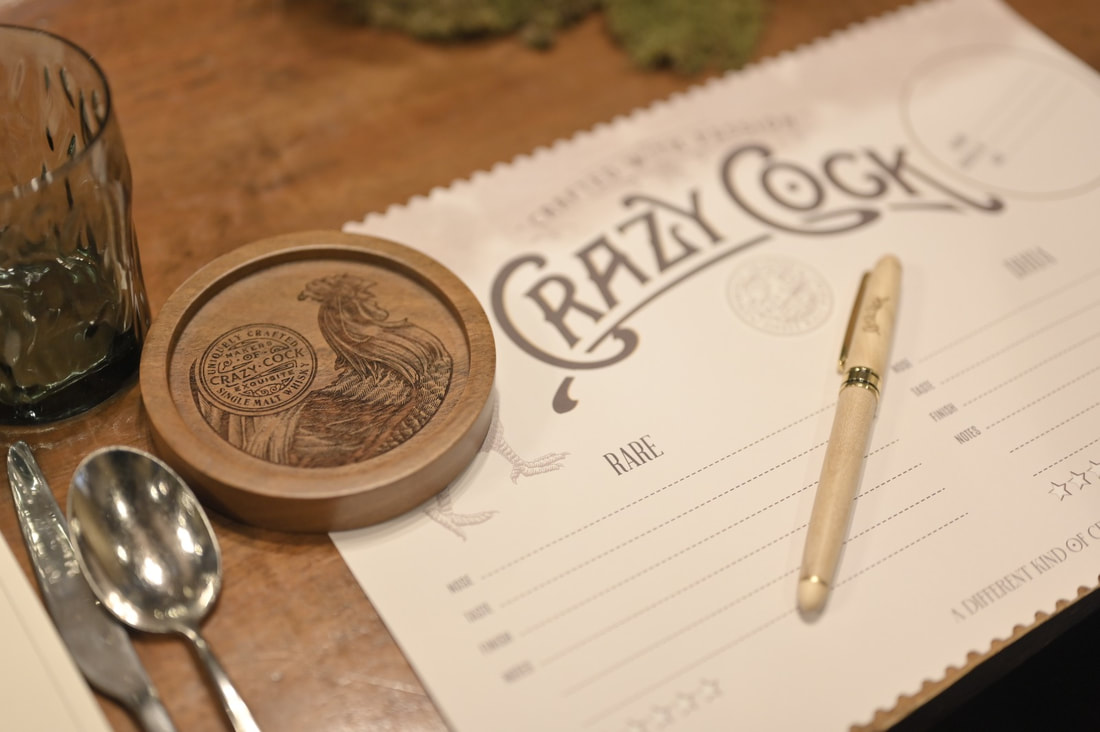 South Seas Distilleries and Breweries Private Limited, a legacy Alcobev company launched ‘Crazy Cock’ – their first retail whisky brand with 2 expressions the Double Oak and Dhua. An ode to the mythical rooster sporting a monocle, the name symbolizes a new era for home grown whiskies, celebrating the Indian subcontinent, and distilling its best flavors for whisky enthusiasts across the globe. South Seas Distilleries founded in 1984 by Mr Viraf Chinoy, is located in Dahanu on the northern coast of Maharashtra and has become synonymous with crafting exceptional luxury whiskies and spirits. The company's journey is a remarkable story of entrepreneurial vision across 4 generations of a Parsi family, enabled from pioneering distilleries set up since 1929, through the trials and tribulations of prohibition, to a rebirth in 1975, and the setting up of South Seas in 1984 - a fitting illustrious successor to extend one of the oldest distillery legacies in India. Known for setting up the countries biggest copper pot stills and maturation house, South Seas who has been producing the malt for others finally launches its own. Crazy Cock stands out as an exceptional single malt whisky crafted from 6-row Indian barley, carefully selected from the pristine plains of North India. The barley undergoes malting and distillation using the traditional method in copper pots. The whisky is matured in ex-bourbon and ex-sherry casks, for a full-bodied, complex flavor. Specially smoked batches add a rich, peaty dimension reserved for Crazy Cock Dhua. 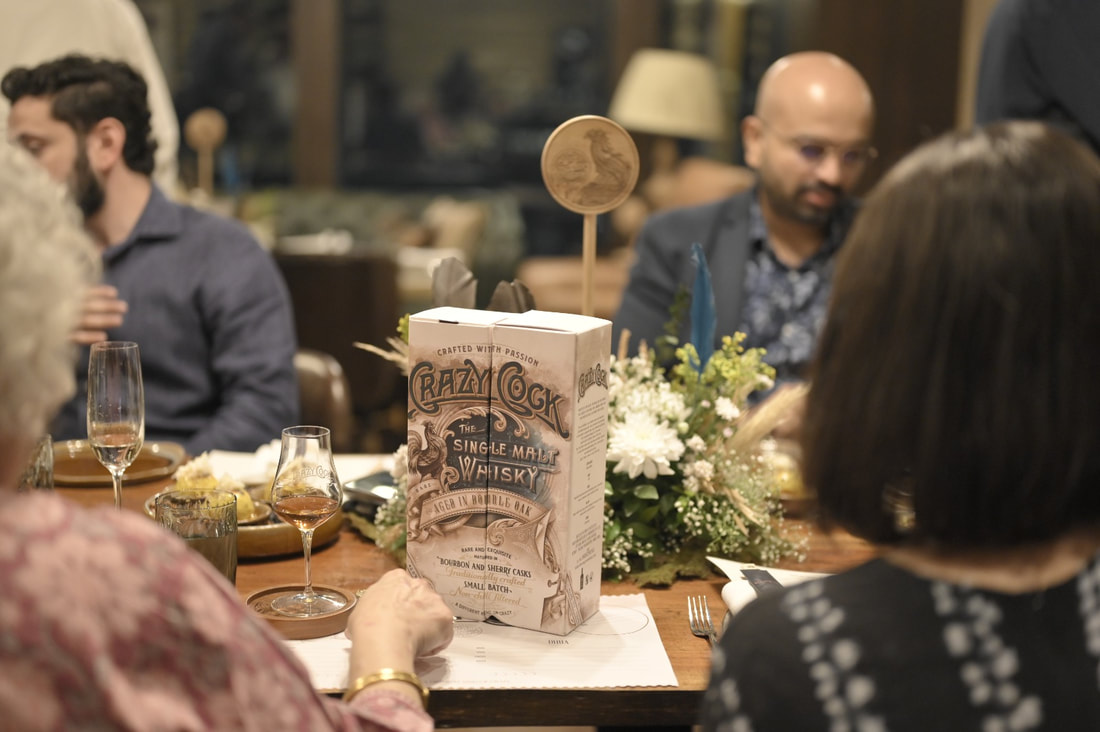 "In the dynamic landscape of global spirits, Indian whiskies are currently enjoying a spotlight. Our esteemed clientele includes some of the world's leading alcohol beverage giants, a testament to our longstanding partnerships. Shifting from corporate engagements to catering to individual connoisseurs of luxury, our distillery has been honing the art of distillation for over three generations. This initiative is a celebration of our enduring craftsmanship, as we joyfully continue our legacy by crafting a new array of exceptional whiskies under the banner of Crazy Cock.” Said Mr. H.V. Chinoy
The MRP in Mumbai for the Double Oak expression is 8900/- and Dhua is 12500/- per 750 ml bottle.  WineGB is celebrating what they believe will be Great Britain’s largest-ever grape harvest. In the industry’s post-harvest report – ‘2023 Harvest Report – the big one’ - this 'miracle’ harvest is set to produce an estimated 20-22m bottle production. Other key statistics:
Yield data was gathered from WineGB’s members (132 vineyard owners) and represents the most comprehensive early study available. Producers and growers of all sizes, and across the wine growing regions in England and Wales, took part. The report was authored by UK viticulture consultant Stephen Skelton MW. More Facts: The highest yields were achieved in the drier and warmer regions, East Anglia, the South East, and Wessex (Hampshire, Wiltshire, Dorset, Isle of Wight). Investment in the last five years has led to a substantial increase in vine plantings. Vineyard hectarage now in full production is some 3,230ha, compared to 2,138ha in 2018 – a growth of 151%. Chardonnay, Pinot Noir, Meunier and Bacchus, which account for more than 75% of the UK planted area (Wine Standards March 2023), performed exceptionally well, with the average of all vineyards almost reaching 10 tonnes per hectare, and the top quartile exceeding all estimates with an average across the four varieties reaching 15.9 tonnes/-ha (6.43 tonnes/-acre). 2023 will be remembered as a near perfect year, with very little spring frost (affecting only 6% of respondent vineyards compared to 29% in 2022), text-book flowering weather in June and despite the generally wet and often dull summer (July and August), some exceptionally warm spells in September and October. Picking started with the earlier ripening varieties on 2 September, with the major varieties in the larger regions (and where the crops were heaviest) getting underway at the beginning of October and continuing for the first three weeks of the month. Vineyards reported heavy crop and bunch weights. Whilst ripeness levels were lower than average, as were acids, winemakers are optimistic about the quality of the fruit and resulting wine. Stephen Skelton MW said: “2023 will be a vintage to remember. The excellent yields are attributed to not only the near perfect weather for grapes at key times of the growing season, but also comes on the back of more hectares than ever before coming into production, having seen nearly 75% growth in plantings in the last five years alone.” Nicola Bates, CEO WineGB said: “There was a silver lining to our miserable summer, and that is a fantastic season for wine. UK consumers are drinking more and more home produce and at the same time exports are going up especially in the Nordics and Japan. We look forward to having more wine to present to our growing consumer base. So to be on trend ensure that you are serving English and Welsh wines for Christmas and New Year. There has never been a better time to buy British.” (Excerpt from a release) 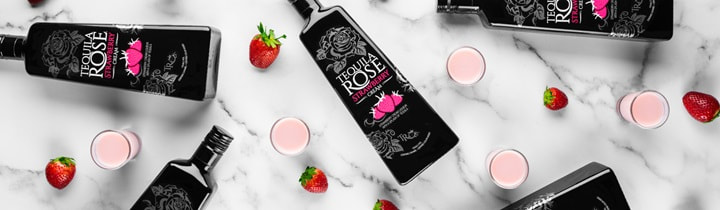 Anggel's Share, a prominent importer specializing in exquisite wines and spirits launches Tequila Rose the revolutionary and globally top-selling strawberry cream liqueur in Mumbai.
In 1996 Tequila Rose emerged as the first-of-its-kind drink to challenge convention by pairing cream with something other than Irish whiskey. Tequila Rose is an exciting alcohol liqueur that is a unique blend of strawberry-flavoured real dairy cream mixed with a splash of Mexican tequila. Strawberry cream provides sweetness, softness and roundness with a hint of Tequila that gives the spirit liqueur great body, depth and structure. Price - Rs 4800 for 700ml (Mumbai) 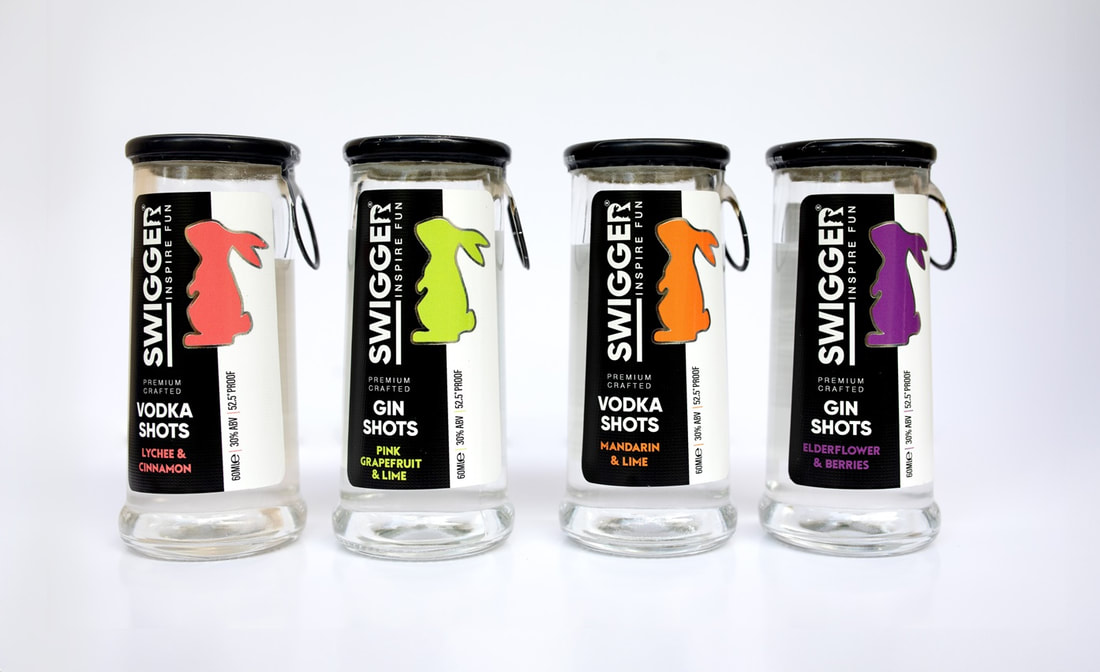 Indian alco-bev start-up, Incredible Spirits Private Limited (“ISPL”), has launched India’s first premium spirits-based Ready-to-Drink (RTD) shots, under the brand name SWIGGER. The premium crafted product, blended with natural and organic flavours, has been unveiled in two Gin and two Vodka variants, to begin with.
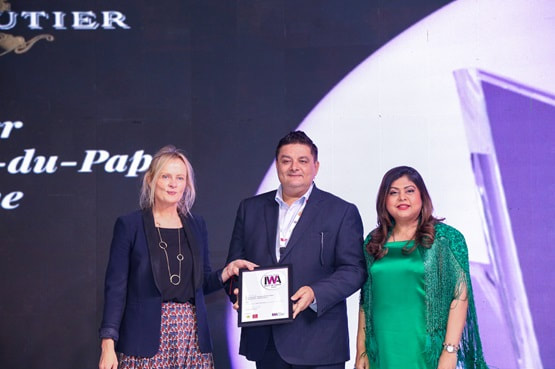
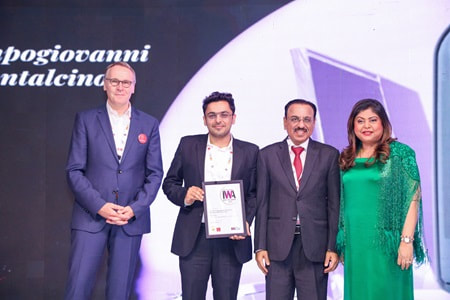
The Gin-based RTD shots have been distilled with Elderflower & Berries and Pink Grapefruit & Lime while the Vodka-based offerings have been distilled with Mandarin and Lime, Lychee and Cinnamon. The flavourful SWIGGER shots have been introduced in 60 ml double shot glasses with a pull rip cap closure, ensuring a safe and unadulterated, convenient experience for consumers. Speaking on the launch, Mr Arun Raina, Co-founder, Incredible Spirits Private Limited, said, “We are excited to launch the country’s first spirits-based Ready-to-Drink premium shots brand. The RTD shots category is a completely new segment in India and, therefore, presents an enormous opportunity.” Recently, leading Indian-Made Foreign Liquor (IMFL) manufacturer Tilaknagar Industries, the country’s largest manufacturer of premium brandy, invested Rs 1 crore for a 19.50 per cent equity stake in Incredible Spirits Private Limited. With the tagline ‘Inspire fun’, the premium RTD shots brand SWIGGER has been introduced in the beach capital of India, Goa, in the first phase of its launch. This will be followed by more markets across the country. This launch will be followed by the introduction of more premium shot variants with Cognac, Bourbon Whiskey, Dark Rum & Tequila. According to the IWSR May 2022 report, the RTD market in India is a 3 million cases category in 2021, and is expected to grow at more than 9 per cent annually over the next 5 years, reaching 4.5 million cases in 2026. (Excerpt from a release) 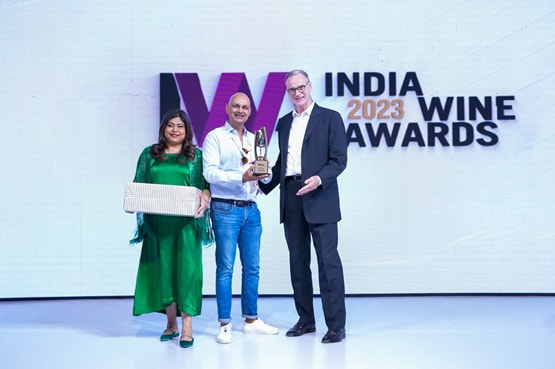 India’s largest and most influential wine competition India Wine Awards 2023 presented by Sonal Holland Wine Academy in association with ProWine Mumbai announced 219 winning wines across Best in Show, Gold and Silver categories at a glittering India Wine Awards Winners Night held on Friday, 24th November 2023 at the Jio World Convention Centre, Mumbai For its fifth edition, India Wine Awards hosted the country’s largest-ever blind-tasting competition of domestic and international wines available in India, receiving a record-breaking 460 nominations. Sake was inducted as a new category as well to expand the scope of the awards and acknowledge the increasing popularity of the beverage among Indian consumers. The nominated labels were judged by a panel of 20 jury members featuring experts from the country led by Sonal C Holland MW -Founder and Chairperson of India Wine Awards. The India Wine Awards 2023 Winners’ Night brought together 600 eminent members including luminaries of the wine and spirits industry, hospitality leaders, global trade councils and winemakers from across the world. The guests came together to celebrate the best in-market wines in India and to applaud the spirit of resilience and innovation that has helped the Indian wine industry grow at a steady and assured pace year after year. As part of the fifth edition of India Wine Awards - Personality awards, the night celebrated Rajeev Samant -Founder and CEO of Sula Vineyards for his contribution as a visionary excellence entrepreneur whose pioneering work has helped lay the very foundation of the wine industry in India awarding him with the Indian Wine Industry Leader and Champion Award which was felicitated by Sonal C Holland MW and Wolfram N. Diener, President & CEO of Messe Düsseldorf GmbH. Speaking on the fifth successful edition of the awards, Sonal C Holland MW, Founder and Chairperson of India Wine Awards, said, “With every passing year, we are growing bigger, better and even bolder and that only reflects where the Indian wine industry firmly stands today. This year, we are raising a Toast To Excellence in recognition of the top quality of wines nominated in the competition and those available in the country, at large. This is testament to the phenomenal evolution of India as the most coveted, fast-emerging wine markets in the world. With the ongoing success of our wine market, the narrative of ‘Incredible India’ is surely changing on the world stage to ‘Credible India’ that poses itself as a robust and reliable markets, with India Wine Awards offering an unparalleled opportunity for winning brands to reinforce their image and positioning in the minds of the curious and enthusiastic Indian consumer.” Each wine was judged on a 100-point score sheet in a blind tasting format by the esteemed panel of 20 jury members who were encouraged to put on their consumer hats to ensure that the winners reflected the taste and preferences of Indian customers. 79 wines won in the Gold category, securing more than 90 points, while 110 wines won in the Silver category, securing 85-89 points. The 30 Best in Show winners were the highest-scoring wines in the competition. This year, the Best in Show award had multiple categories, with five high-scoring wines nominated in each category. The wine with the highest score among these nominees was then named as Best In Show for the said category. The jury had a hard time selecting a single winner for some categories, leading to a two-way or a three-way tie. Building on previous editions, , this year the India Wine Awards launched a new segment IndiaWineAwards’ 50 Best Places To Drink 2023 - a digital list of the best restaurants and bars in the country that create excellent drinking experiences for consumers. The list was curated on the basis of public and jury members' votes. This annual list not only pays homage to India’s finest drinking spots but also recognises the hard work, professionalism and congeniality of all the employees who make these establishments memorable. Mumbai-based Americano emerged as a favourite ranking no.1, followed by The Bombay Canteen (Mumbai), Hideaway (Goa), Masque (Mumbai), Comorin (Gurugram), Slink & Bardot (Mumbai), Sidecar (New Delhi), Sula Tasting Room (Nashik), Copitas (Bengaluru) and Slow Tide (Goa) making the Top 10 Best Places to Drink across the country. (Excerpt from a release) Baagh is not your traditional gin. Unlike most gins which are juniper forward, Baagh boasts a citrus-forward profile that combines the zesty tang of Nagpur orange and the crispness of lime, complemented by subtle hints of spice. But Baagh also goes beyond being a great tasting gin. A portion of profits from Baagh, will be dedicated to agrobiodiversity and re-wilding initiatives in Assam, in partnership with The Balipara Foundation. The distillery also sources ingredients from local farmers, ensuring that the land and its people benefit from the production process. All of which is captured in its tongue in cheek line, ‘No Planet No Party’. CEO and Founder Jatin Dev Bobb along with his founding partners Mohamed Rizwan and Manu Chandra established Chhota Hazri Spirits in a post-Covid world. The name takes inspiration from the traditional refreshment consumed by troops stationed in Northern India during the 19 th century, as well as the morning rituals followed in certain army regiments and boarding schools to this day. This gin is incredibly smooth and enjoyable to drink even when sipped on its own. Crafted with the Indian palate in mind, it’s delightful notes of fresh citrus and impeccable smoothness are truly enhanced when paired with tonic and soda, complemented by a refreshing citrus slice. Baagh is available in select retail outlets, restaurants, and bars in Mumbai at a recommended retail price of Rs 1995. Join us in raising a glass to the planet while enjoying a great-tasting gin. (excerpt from a release) 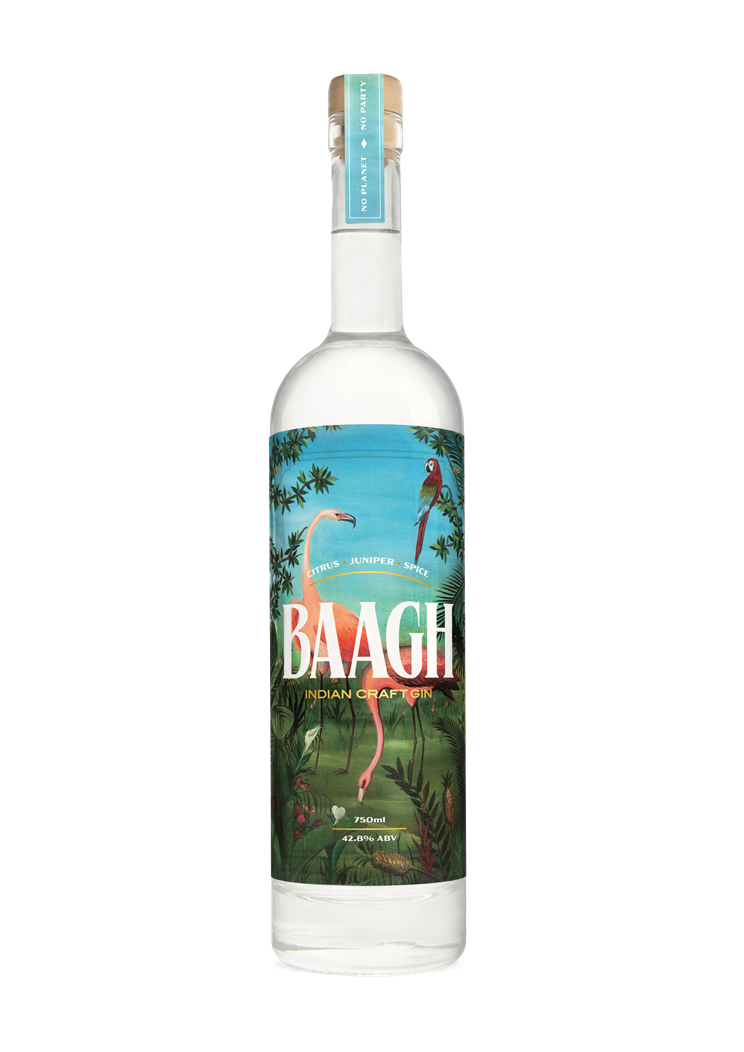 |
Categories
All
Archives
July 2024
|
The Happy High is a Mumbai based beverage consulting co founded in 2014 with a vision to raise the bars of the wine and dine scene in the country. Read more.
|
16, Goldcrest Business Park, LBS Marg, Ghatkopar West, Mumbai 400086.
+91 99307 71739 [email protected] |
 RSS Feed