
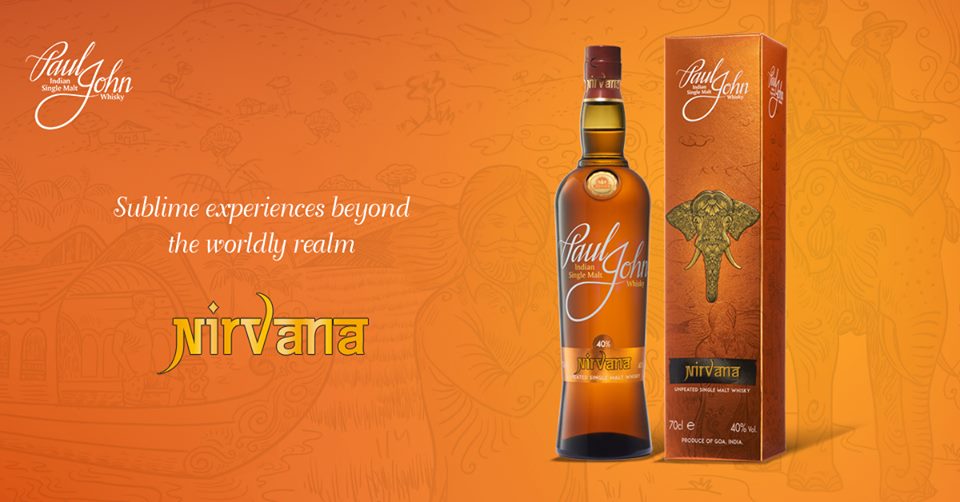
 India is a whisky drinking nation with many Indian whiskies on the world’s top-selling list (by volumes), however, the world does not consider it whisky and so do the finer palates of India as most is made from molasses or a mix of molasses made spirit which is cheaper and grain spirit. Nonetheless India has begun to make a mark in the fine whisky world, and it all started with Amrut a decade back. Here are the Single malt whiskies from India for the discerning. Kadamba Single Malt Made by the Cheers Group in Goa, Kadamba's signature expression is aged in Ex-Bourbon, Sherry and Virgin American casks and also won the Bronze at the World Whiskies awards 2024. Crazy Cock Made by South Seas Distilleries, Dahanu, Maharashtra a family run company with 4 generations of distilling legacy. Sprawling aging warehouses and legacy stills adorn the distillery which has been making malts for white labelling for years. Crazy Cock is their first label and launched in two expression the Double Oak and the Dhua a lightly peated one. Longitude 77 From the house of Pernod Ricard, the French liquor major, the L77 is blended and bottled in Nashik. The double cask expression ages in ex-bourbon and wine casks and comes with the map of India on the label. Amrut Made in Bengaluru, it broke into the world whisky charts when Amrut Fusion was adjudged the 3rd best single malt in the world in 2010. https://www.amrutdistilleries.com/ Paul John Paul John named after the founder is made in Goa and was launched in 2012. The Paul John Kanya was the best Asian Whisky of the year in the whisky bible recently. Master Distiller: Michael D’souza https://pauljohnwhisky.com/en/single-malt Rampur Made by Radico Khaitan a liquor major, Rampur is distilled in Uttar Pradesh and is a single malt. Like the first two malts, Rampur too took the outside in approach where it was launched for the foreign markets before it came to the country. Master Distiller: Anup Barik http://rampursinglemalt.com/ 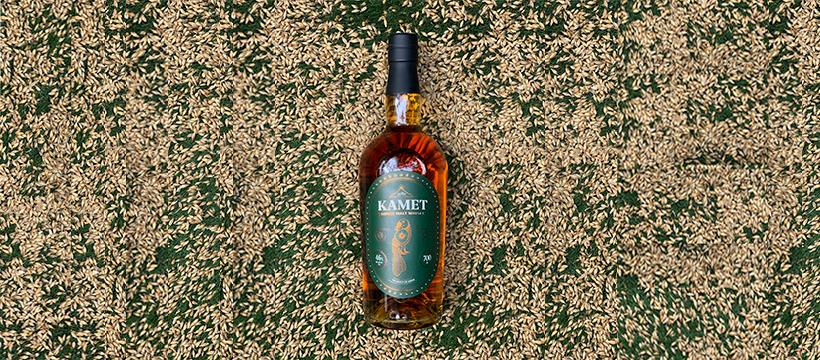 PC: Kamet FB Page Woodburns - Tale of Oak This is made at Fullarton distilleries; Goa and they call it the contemporary Indian whisky. Their mixed drinks and cocktail focussed approach seems to be working. Master Distiller: Aman Thadani https://www.woodburnswhisky.com/ Solan Gold From the house of Mohan Meakin know for the Old Monk rum, Solan is perhaps the best kept secret to the malt whisky fans in India. The distillery in Kasauli, Himachal Pradesh produced Solan No 1 a malt whisky for decades and has recently launched the Solan Gold a single malt. https://mohanmeakin.com/whiskies/ Peter Scot Black Makers of Hercules Rum and Peter Scotch whisky, the Bengaluru based House of Khoday set foot in the Indian single malt category with the Peter Scot black and launched it at a much higher price point than the pioneers in the scene. http://www.khodayindia.com/organisation.html Kamet Inspired by Mount Kamet in Uttarakhand, Kamet is the latest entry to the Indian single malt scene. Working with different casks for aging including ex-wine. Master Distillers: Surrinder Kumar, Nancy Fraley Indri Made in Haryana in the namesake town; Indri Trini is three wood aged whisky, ex- wine, PX and bourbon casks. It is made by Piccadily distilleries, the largest independent manufacturer and seller of malt spirits in India. https://www.indri.in/ Gianchand GianChand is a premium Single Malt Whisky with a unique character which it owes to the place it hails from- Jammu. The malt is named after Dewan Gianchand the founder of Devans Modern Breweries Ltd.(1961) and a pioneering industrialist from Jammu & Kashmir. The company has grown from a liquor bottling unit in its initial years to one of the leading manufacturer of malt spirit & beers in the country. https://www.gianchand.com/ Ugar, 4 year old A single malt from the Belagavi, Karnataka is aged for 4 years. It comes from Ugar Sugar works (found in 1939) who started their distilling business in in the 60s. http://web.ugarsugar.com/ Godawan An artisanal single malt from the house of Diageo is made in Alwar Rajasthan. It is named after Godawan, the Great Indian Bustard a bird once found all over India, is now nearing extinction, and finds its last refuge in Rajasthan. https://www.diageoindia.com/en/brands/brand-explorer/godawan 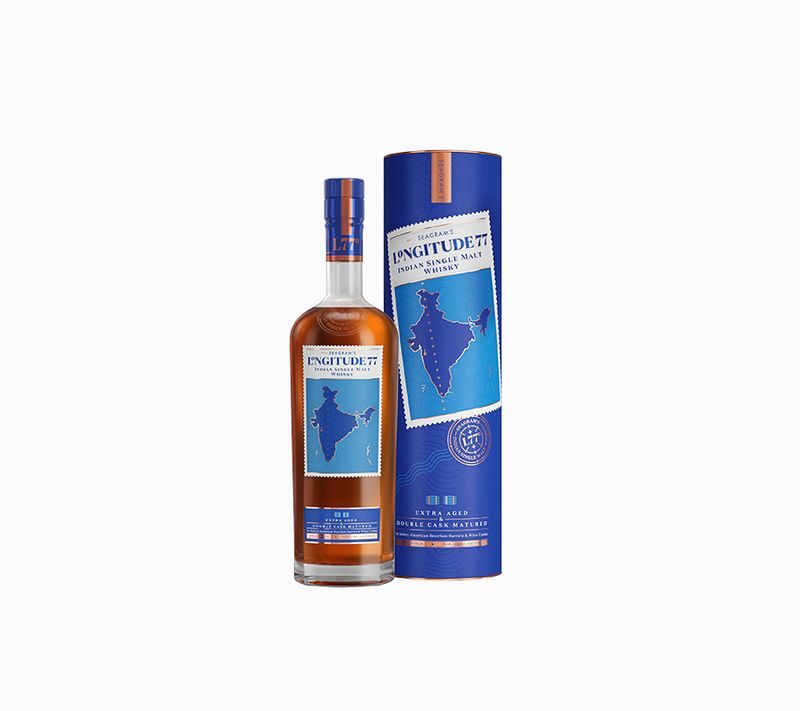 Imported Wine Brands in India with Mumbai Prices
2 Comments
Mumbai, India The Indian craft gin scene began in 2015 and started to skyrocket post 2018 with multiple brands launching mainly from the coastal state of Goa. The brand launches continue, and Goa now has Bangalore, Rajasthan, Meghalaya , Madhya Pradesh and also Punjab for company. Here is a list of Indian gins that you should know about. Cherrapunji "Eastern Craft Gin" takes it name from the region in the north-eastern state of India, Meghalaya. Cherrapunji as a regions receives one of the highest annual rainfall in the world averaging about 11000 mm. The gin uses botanicals from the state apart from Assam, Sikkim and Arunachal. Chambal Takes its name from Chambal valley in Madhya Pradesh, the land once infamous for dacoits and it certainly reflects on the packaging. The gin takes the Indian route with local botanicals including black and green cardamon. The gin is made by the 3rd generation of Bapuna Alcobrew Udaipur After gins named after the popular tourist destinations of Rajasthan, Jodhpur and Jaisalmer, Udaipur from Goa is next in line with it's Gulab and Violet expressions. Greater Than The gin that started the craft gin revolution in the country, Greater Than is made in Goa and is a juniper and citrus driven London dry style gin. They have also launched a Juniper heavy version lately called the Juniper Bomb and the No Sleep coffee infused expression. Read more about them here Hapusa From the Nao Spirits, Hapusa was launched after Greater Than as a more premium gin and it goes under the nomenclature of a Himalayan Dry Gin. With ingredients like Turmeric and Mango, the gin is certainly different and comes in a beautiful bottle. Stranger & Sons Not a stranger to gin drinkers anymore, this was the second gin co to push the craft gin market in the country. With Mace, pepper and nutmeg, we call it the masaledar gin and this one’s made in Goa too. Read more about them here Pumori It is named after Mount Pumori which is 8 kms off Mt Everest, as the juniper comes from the region. From the makers of Woodburn whisky Pumori uses 12 botanicals including vanilla and calls itself a “small batch” gin. Read more about them here Tickle Made in Goa by Adinco distillers who also make Tinto feni, Ti Connie Liqueurs and Cabo coconut liqueurs, Tickle is a classic dry gin with the Indian touch of cardamom, cloves and cinnamon. Read more about them here 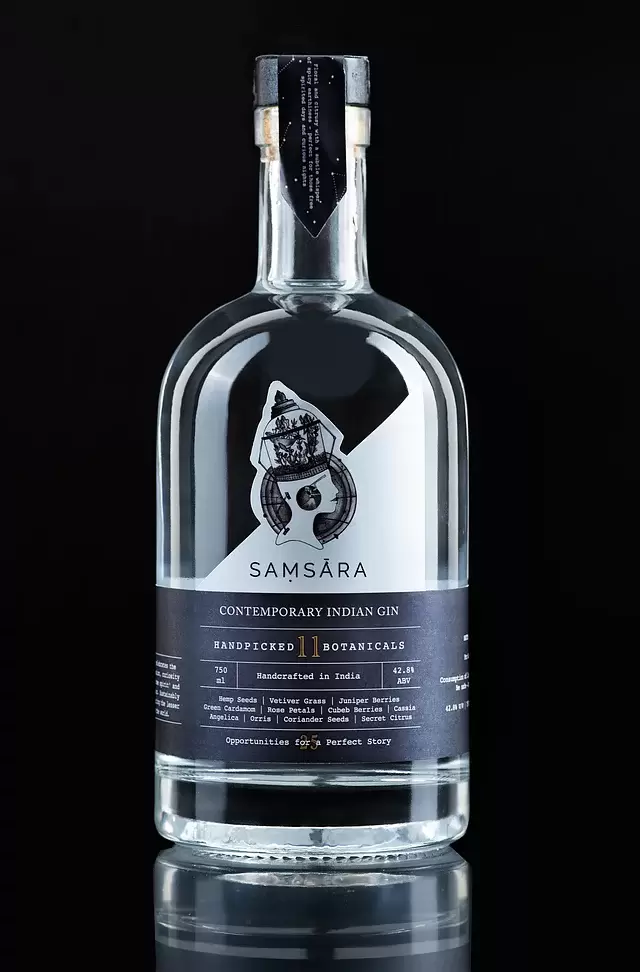 Read More about Indian Malt Whisky Brands here Terai A made in Rajasthan gin, Terai is made by Globus Spirits who have been distilling since 1958. This “Indian Dry Gin” as the bottle says on the label has holy basil as one of the signature botanicals. Read more about them here Samsara A London dry gin made using 11 botanicals comprising some exotic ones like vetiver, hemp seeds & blood oranges. Made in Goa it is also exported to the US and now available in Maharashtra. They also have a pink gin the first from India. Read more about them here Jin Jiji Made in Goa by High Road Spirits, the Jin Jiji embodies Goa and India by using Cashew nut and Tulsi respectively part from the other botanicals. They also have another expression the Jin Jiji Darjeeling with the tea from the region. It is not available in India yet. Read more about them here Jaisalmer By the makers of Rampur Single Malt, Radico Khaitan first took this gin outside the country before making it available in India. Lemon Grass, Darjeeling tea are some of the botanicals used in the making of this gin at their distillery in Rampur. Read more about them here Clearly Good Launched with an objective to make quality gin more affordable, the Clearly Good is a blue gin coloured using butterfly pea flower and turns pink when an acid medium is added bringing that gimmick to your parties. Made in Goa it used 15 botanicals. 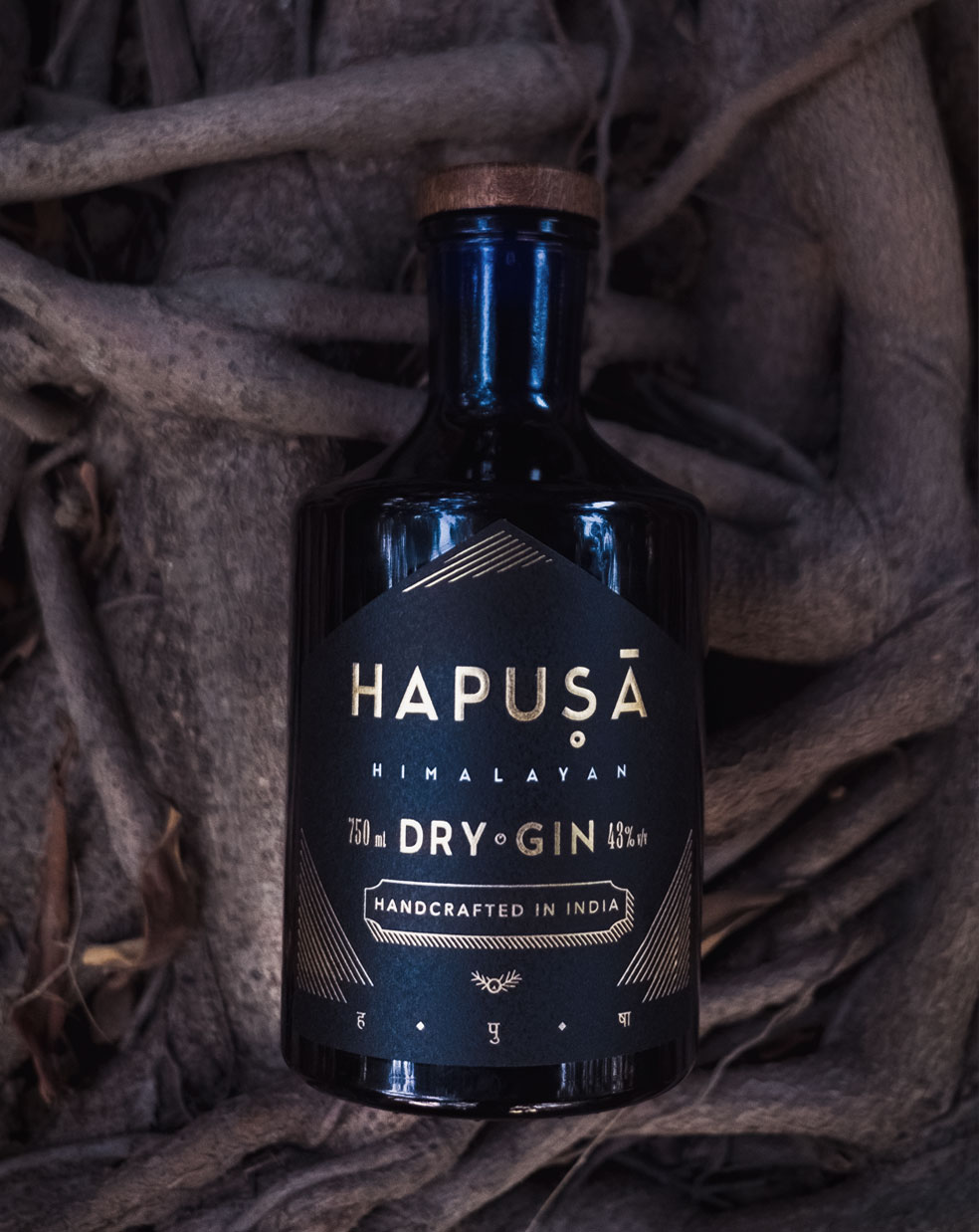 Read more about the Cognac brands available in India here Integrity Integrity “Craft Gin” as it says on the bottle comes in a sleek bottle and is perhaps the least expensive of “craft gin” available in the Mumbai market. It is seemingly made in Solapur; Maharashtra by Vishnu Laxmi Co-op Grape Distillery limited a company popular for its mass brands. Nilgiris From the makers of the iconic Amrut Single malt, Nilgiris is the embodiment of the spice laden south India with use of spices, tea and the signature betel leaf as one of its botanicals. Read more about them here Blue Moon Made in Rajpura, Punjab by NV distillers, the Blue Moon is a 21-year-old brand but in a new avatar both in terms of recipe and packaging. It come in a classic juniper forward style and uses a rice spirit as a base. Read more about them here Gin Dia From the makers of Wild Tiger Rum, this made in Kerala Gin is made for the export market with 23 foraged Indian botanicals including Himalayan juniper. The pandemic delayed its international travel retail launch at a price of $ 39.95 for a litre bottle. Read more about them here Matinee Snake saffron, Kagzi Lime, white turmeric makes this gin from Goa distinctive. Launched in March 2021 this gin sells in Goa. Seqer The latest from Goa is Seqer with 10 botanicals including cashew nuts, rosemary amongst others. Keep updated about them here 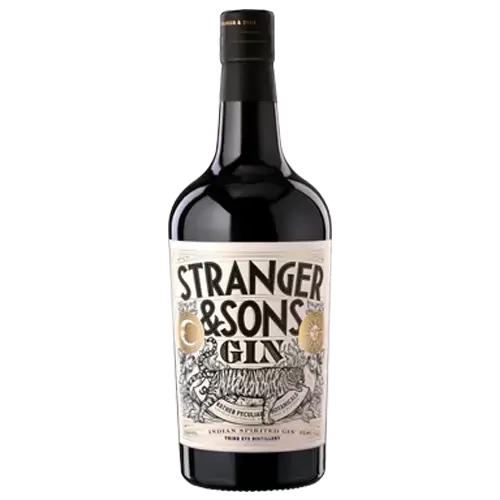 Gin Gin Made in Goa, this nine-botanical gin was marketed as India’s first hemp gin and was set for its Goa launch last year but is still awaiting it. Trading Tides A collaboration between Four Pillars Gin, Australia and Stranger & Sons, this gin has elements of both countries like the Australian Lemon Myrtle, Anise Myrtle, River mint and the Indian Kokum and Tamarind Doja A Indo-Japanese craft gin made in Goa using Japanese botanicals like Yuzu, Sansho pepper, Cedar leaf etc from Japan’s Wakayama prefecture and Indian like fennel and Cardamom. Read more about them here Satiwa A Made in Goa gin calls itself “the happy high gin” as it uses hemp as a key botanical apart from rose petals, cinnamon, coriander, angelica root etc. Tamras Made in an independently owned craft distillery in Goa, Tamras is made with 16 botanicals including Mosambi, lotus flower and seed. Read more about them here Forest Spice An outlier gin from Goa from the Indian perspective as it is made in the Genever style, meaning it uses a more flavoursome barley spirit than the neutral spirit used by London Dry style. The botanicals include lemongrass, ginger, cardamom etc. Jamun From the make of Old Monk Gin, Jamun gin is made in the iconic Kasauli distillery owned by Mohan Meakin. Launched in some Indian markets in August 2022, Jamun uses Himalayan Juniper as mentioned on the bottle. Great Indian Gin (GIG) GIG gin is the first spirit from the Portfolio of World of Brands a company co-founded by liquor veterans and is made in Hoskote Karnataka. It is made using 9 botanicals and comes in three expressions classic, Nagpur Orange and Shimla Apple. Short Story Gin A yet another Made in Goa gin but from the house of Third Eye DIstillery, the makers of Stranger and Sons Gin and with Mixologist and Entrepreneur Pankaj Balachandran at the helm of the brand. This is an accessible gin with a classic Juniper and Citrus forward approach. Terry Sent Me Yet another product of Goa and they call itself the speakeasy Gin. Founded by Tarang Doshi, this is currently available in Goa only and the label makes it stand out. Sector A Goan Gin made The Living Root a craft spirit company and this Gin with their 11 botanicals is their first offering. Cubeb berries, Lemon balm, Cochin ginger are some of the botanicals apart from the Juniper. Malhar A gin from the house of Paul John Single Malts, Malhar is available in two expressions, classic and citrus with 15 and 11 botanicals respectively and Indian Key Lime or Nimbu as the star in the latter. Hichki A gin from Goa from the house of Sipping Spirits a company known for their Resolute Vodka. It is Sakura or Japanese Cherry Blossom infused gin with 9 other botanicals. Soci Crafted in Goa, Soci is has a strong top note of Cucumber apart from other botanicals like juniper berries, cardamom, coriander, oranges and pepper. Imported Wine Brands in India with Mumbai PricesCognac is the world’s best-known brandy. In India Cognac if often associated with Bollywood, “Cognac sharaab nahi hoti” said Rishi Kapoor in Chandni 1989 and then Shahrukh Khan to Kajol in DDLJ 6 years later. If you read between the lines and try to understand the deeper meaning, may be it relates to what the Indian upper classes generally think of the beverage, sophistication. Well Cognac certainly deserves the respect for all it undergoes to come into ones lead free crystal. Cognac is made from the Ugni blanc grape, double distilled in a special copper pot still called the alembic charentaise and then ages for a minimum of 2 years in oak barrels, either new or in the ones that carried a wine or a wine-based spirit. These days a sherry or a port cask finish is quite common in the Cognac world. The time they spend in the barrel in indicates as VS, VSOP and XO in an ascending order of 2 years, 4 years and 10 years. The years indicate the youngest cognac in the bottle, the oldest may be 5 decades old. This is where the art of Cognac blending comes into picture. 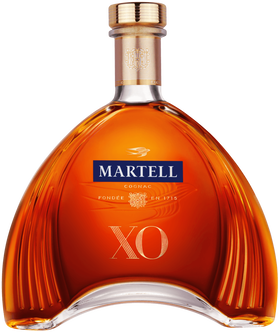 A definitive Guide to Indian Gin Brands Here The Cognac market in India is most in the Southern states of India, Tamil Nadu and Kerala where the blue collared drink locally made brandy (mostly made from molasses) and the upper strata drinks Cognac. So, the following brands of Cognac are available not so readily in India but for the top 3. Martell: The oldest of the big four in Cognac, the house of Martell was found in 1715 by a Englishman. The brand is now owned by Pernod Ricard and is known for its Borderies focussed Cognac, Borderies being the sub-region where the terroir or the growing environment gives it’s a floral overtone. Remy Martin: Known for its specialty the ‘Fine Champagne’ Cognac which is a blend of grapes grown in Grande and Petit Champagne the most prestigious regions known for its long-lived Cognacs. It also produces the Louis XIII Cognac, it goes at Rs 3 lakhs plus a bottle. 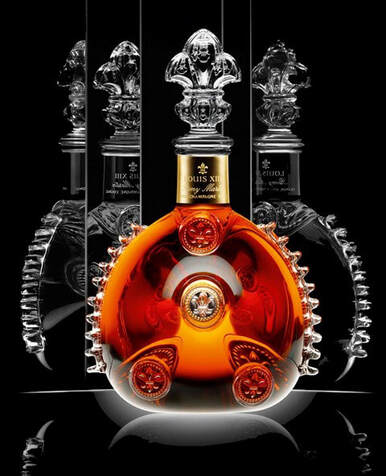 Hennessy: The market leader of the Cognac world, Hennessy commands a 50% market share globally. It was found by an Irishman, Richard Hennessy in 1765 and today is owned the conglomerate LVMH. They claim to have over 70 cellars in Cognac. Delamain: Established in 1759, Delamain is one of the oldest and still family run Cognac house. They make only Grand Champagne Cognacs and only XO Cognac which put them in the top tier immediately. Godet: Found in 1783, this is an outlier of the lot as the house is based in La Rochelle a town in Cognac on the Atlantic coast. Going back in history this was the town where the technology of distillation met the wines of today Back then they called it "Brandwijn" in Dutch which translated to burnt wine.Today Cognac is the greatest of the burnt wines in the world. Hine: Found in 1763 and based in heart of the Grande Champagne , Hine is know for its vintage Cognacs and specially "Hine Early-Landed Vintage Cognac" the barrels of which are aged in the damp cellars in Bristol, England. This English connection goes back to Thomas Hine who was originally English. Louis Royer: Found in 1853, the brand is located in the town of Jarnac on the banks of the Charente river. You can't miss their logo, the Bee which stands for hard work and perseverance resulting in honey just like the committed hands which go into craft an exquisite Cognac A. De Fussigny's : Made in a distillery that dates back to 1814, ADF was born in 1987. They do not have their own vineyards but work with farmers and distilleries sourcing grapes from the Grande and Petite Champagne to make a Fine Champagne Cognac. Albert De Montaubert: Albert de Montaubert, moved to the Cognac region in 1842 to pursue his passion for viticulture and many years later, Albert’s great-grandson Pierre Barrier had the idea to start a brand to honor his ancestor. Thus, the Albert de Montaubert & Fils label was started in 2002, celebrating the skills and ingenuity of the people who have been tending to the vines in this region for over 200 years. Bisquit & Dubouche: Started in the early 1800s B&D is named after Alexandre Bisquit and his son in law Adrien Dubouche. They use grapes from 4 crus namely Grand Champagne, Petite Champagne, Fin Bois and Bon Bois and they distill on the lees. 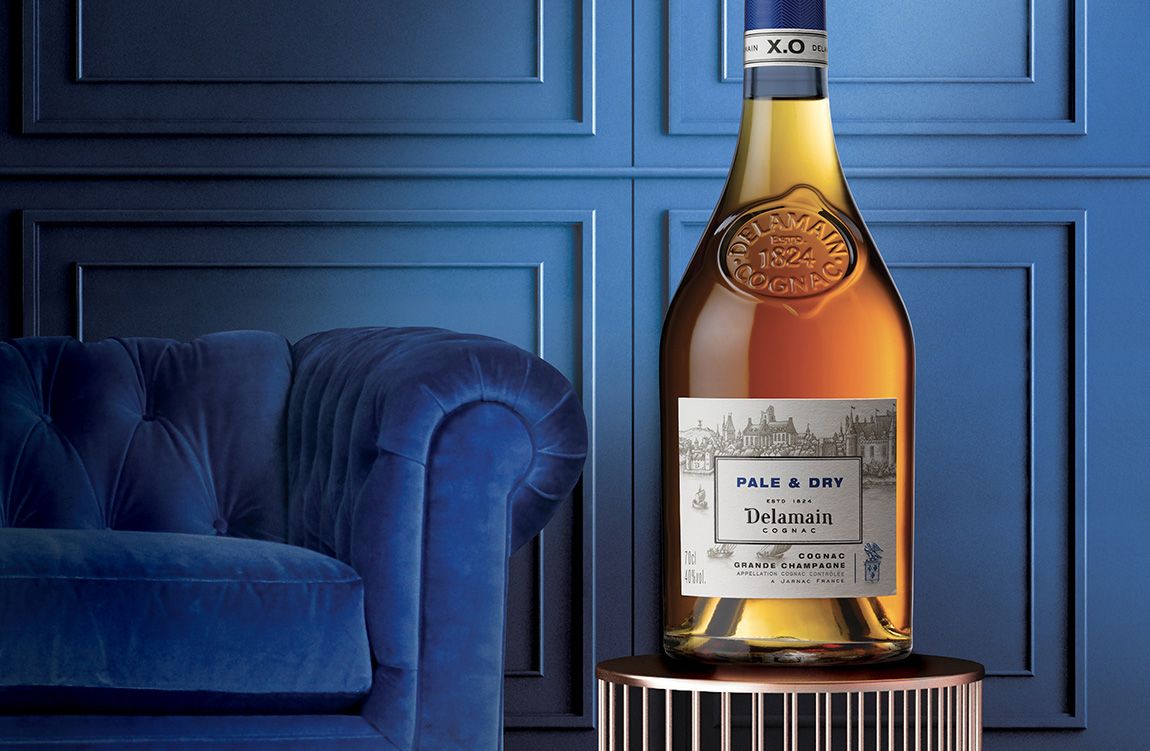 READ MORE ON BRANDS OF INDIAN MALT WHISKIES here BELOW BRANDS ARE AVAILABLE IN INDIAN DUTY FREE SHOPS AT AIRPORTS Otard: Made in the building Chateau de Cognac where Francis the 1st the initiator of the French renaissance was born, Otard was found in 1795 by Jean Baptiste Otard. He was the Mayor of Cognac until his death. The brand is owned by Bacardi now. This Cognac ages in cellars which are at the level of the Charente river with very high humidity and dry cellars over ground which give more blends for the final. Camus: A family owned company found in 1863, Camus starting 1990s emphasizes on Borderies and also have a 100% Borderies XO Cognac which is their signature. They are also one of those have wine aged expressions in their repertoire. Courvoisier: Being the only official supplier to Napoleon , Courvoisier has basked in the glory of the title ‘Brandy of the Napoleon’ ever since. They were also the Cognac to toast the ‘unveiling’ of the Eiffel tower. Tesseron: Founded in 1905, Tesseron was known to make Cognac for other brand until the 90s when they started having their own brand. They only make XO and above Cognacs but for their "Composition" which is a VSOP. The Happy High's Ajit Balgi is a Cognac Educator accredited by BNIC (Bureau National Interprofessionnel Du Cognac), he is one of the 90 in the world and the only India based wine educator with the accreditation. " I ain't a Cognac expert yet but I love to imbibe the wonderful spirit, its provenance, its history, I sip at a time." says Balgi. Imported Wine Brands in India with Mumbai Prices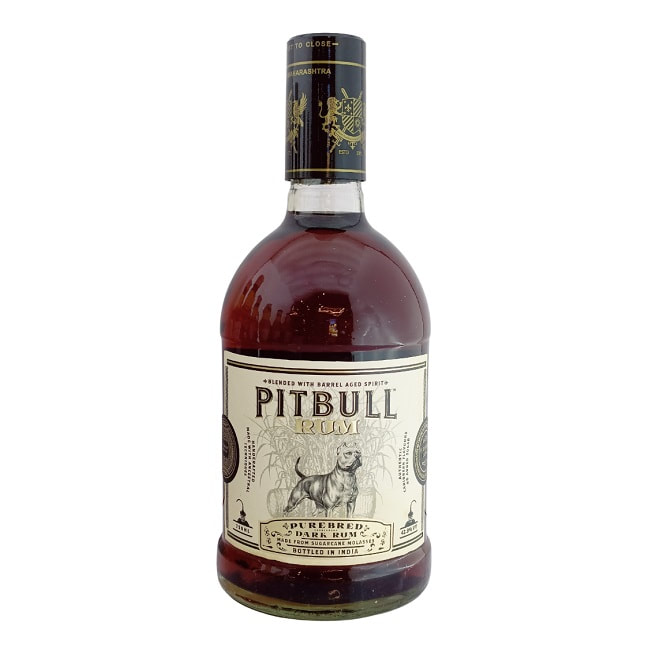 As the largest producer and consumer of sugar, it is an irony that India doesn't produce Rums that would put its name on the Rum map and the even bigger one is that most of the million case whiskies from India are produced from molasses, a raw material for rum. How about Old Monk then? Old monk is a Cult more than a Rum and sits high on a pedestal. Well the scenario is changing now and we have rum brands mushrooming or should I say rum culture finding feet in India. Here are the brands you should know:
Short Story From the House of Third Eye, the folks behind Stranger & Sons gin, the Short Story rum brings together 4 countries in a bottle, Indian molasses rum and from Jamaica, Trinidad and Dominican Republic. Pitbull The latest rum in the Mumbai rum scene, the dark rum is made in Aurangabad with Sugarcane molasses and barrel aged spirits. The bottle says, it has no added sugar. Segredo Aldeia Translates to secret village, Segredo a Goan white rum is made from cane and jaggery and is a blend of aged (ex-bourbon barrels) and unaged rums. They also have a coffee flavoured variant. Camikara Made by Piccadily Distillery in Haryana, it is India's first pure cane juice rum and their first expression is a 12 year old limited edition aged in ex-bourbon casks and has no addition of colour or sugar in the bottle. Alejandro Made in Goa, this spiced rum from Adinco distilleries is unique with its use of local traditional rice, the ukda tandel in the process. It reminds us of once of the earliest cane based spirits; the Batavia arrack made from juice and red rice in Indonesia. Earth A Spiced Rum from Goa with spices like clove, star anise, Cinnamon etc. all sourced from India. They also plan to launch an aged golden variant soon. 2 Indies Just like the Short Story, the Two Indies rum is a Indo-Carribean blend and hence the name. The carribean rums come from Jamaica, Barbados and Guyana. The rum comes from the house of Amrut Single Malts. Makazai Makazai is a craft rum from Goa. The name translates to "I want" in Konkani. It is available in white and gold variants. Rock Paper A brainchild of Lalit Khalani a veteran in the molasses spirit business, Rock Paper is a small batch variant from the group and available in 2 styles, a Spiced Golden and the Coastal White Rum Wild Tiger An export-only rum from India for now the Wild Tiger is made in Kerala and comes in a faux-skin of the animal to make the packaging unique. The rum is aged in ex-bourbon casks and is available in variants like reserve, spiced etc. Ron De Ugar From the house of Ugar Sugars of Belagavi, Karnataka who have been into distilling since 1961. The Ron De Ugar is premium brand from the house, they call it the handcrafted rum. 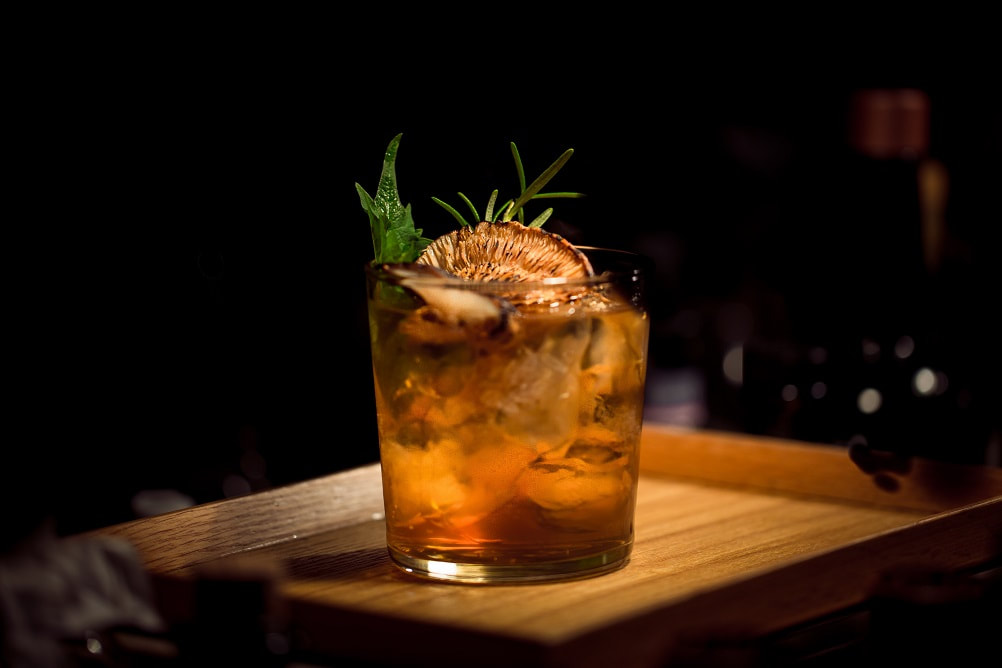 Bartending is an art that has been around for centuries, and it has now become a popular profession in India. The country has a rich history of alcohol consumption, and bartenders in India have been able to create unique and innovative drinks that reflect the diverse culture of the country. Bartending in India has undergone a significant transformation over the past few years, and the profession is now being taken more seriously than ever before. The industry is growing, and with it, the demand for skilled bartenders is on the rise.
The role of a bartender in India goes beyond just mixing drinks. Bartenders are often seen as hosts and entertainers, creating a welcoming environment for their customers. They must have excellent customer service skills, be knowledgeable about the drinks they serve, and have the ability to create a unique experience for each customer. One of the challenges that bartenders in India face is the legal restrictions on alcohol consumption. Each state has its own regulations on when and where alcohol can be served, and bartenders must be aware of these regulations to ensure that they are following the law. Despite these challenges, the bartending industry in India is thriving, with many talented bartenders making their mark on the industry. The rise of cocktail culture in India has also played a significant role in the growth of the industry, with bartenders being able to experiment with new and innovative drinks that reflect the diverse tastes of their customers. There are several bartending schools in India that offer professional training to aspiring bartenders. These schools provide students with the necessary skills to succeed in the industry, including mixology, customer service, and bar management. Many of these schools also offer job placement services, helping their graduates find employment in some of the top bars and restaurants in the country. The profession of bartending in India is not limited to just bars and restaurants. Many bartenders in the country also work at events such as weddings and corporate gatherings, where they are responsible for creating unique drink experiences for the guests. Bartenders are often seen as a valuable addition to any event, as they are able to create a fun and engaging atmosphere for the guests. In conclusion, the bartending industry in India is growing, and with it, the demand for skilled bartenders is on the rise. The role of a bartender goes beyond just mixing drinks, with bartenders often acting as hosts and entertainers, creating a welcoming environment for their customers. The rise of cocktail culture in India has played a significant role in the growth of the industry, with bartenders being able to experiment with new and innovative drinks that reflect the diverse tastes of their customers. The profession of bartending in India is not limited to just bars and restaurants, with many bartenders working at events such as weddings and corporate gatherings. With the increasing demand for skilled bartenders, bartending schools in India are providing aspiring bartenders with the necessary skills to succeed in the industry *We asked Chat GPT on the subject and the above was the response. Quite accurate we think. What are your thoughts? P.S Looking for a bartending course?? Check Mumbai's most premium bartending course the Bar Pro Rich, Fruity, warm, bold are some terms that are top of mind when one thinks of Southern Rhone reds. Usually upwards of 13.5 % alcohol these wines are blends with a majority of Grenache grape in the blend and supported by Shiraz, Mourvedre, Cinsault and Carignan. Cote Du Rhone is the regional appellation encompassing a large vinicultural area and makes fruity easy drinking wines that are easiest on the pocket too. Cote Du Rhone Villages is a more defined area and a few notches higher in status. Then comes the village wines which are tightly defined and offer finer wines. Chateau Neuf Du Pape, Gigondas, Vaqueyras, Lirac,Ventoux are some popular examples. 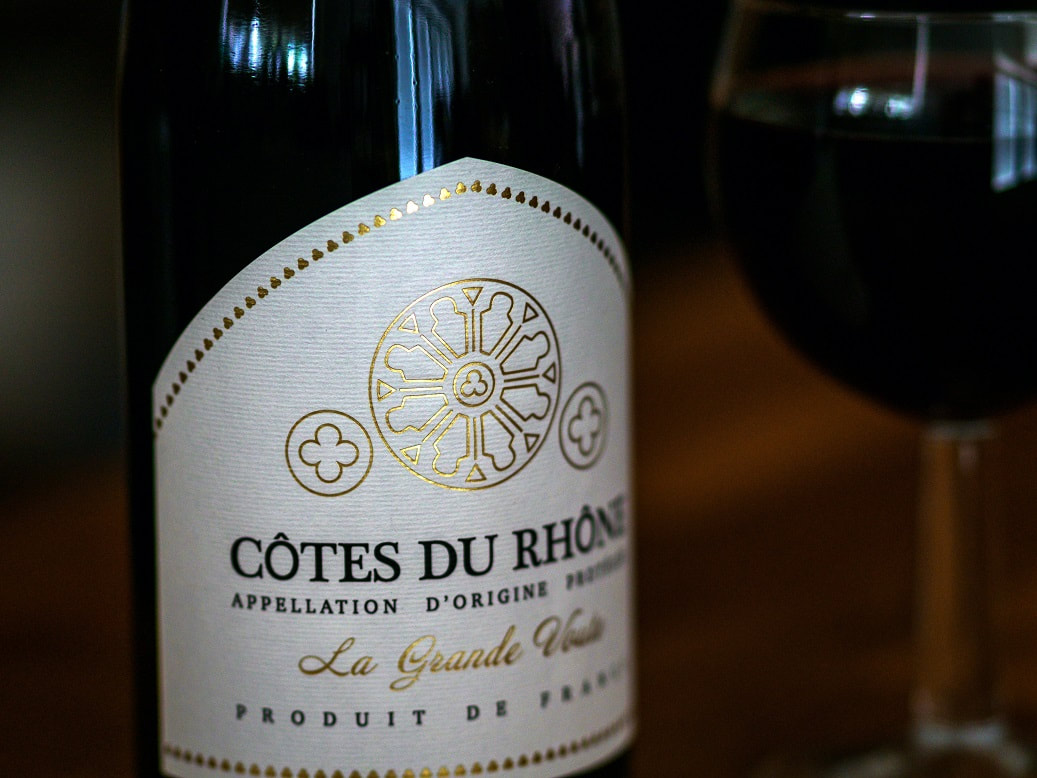 Brands of Southern Rhone Res Wines in the Indian Market (Mumbai prices)
Côtes de Ventoux La Vieille Ferme AOC Côtes de Ventoux Rs 2099 Paul Jaboulet Les Traverses Côtes de Ventoux Rs 2300 Cotes Du Rhone Victor Berard Cotes Du Rhone Rs 2295 Barton & Guestier Passeport Cotes-Du-Rhone AOC Rs 2440 Maison Albert Bichot, Chateau D'Orson Cotes du Rhone Rs 2600 Terroir Daronton Cote du Rhone AOP Rs 2750 M. Chapoutier, Belleruche Côtes-du-Rhône Rs 2750 Delas Cotes du Rhone Saint Espirit Rouge Rs 2750 Paul Jaboulet Parallele 45 Cotes Du Rhone Rs 2999 Saint Cosme, Cote du Rhone Rs 3191 Famille Perrin Côtes du Rhône Réserve Rs 3330 Fontbonau Super-Rhone Rs 8340 Gigondas Saint Cosme, Gigondas Rs 9774 Vacqueyras Terroir Daronton Vacqueyras Rs 6450 Chateauneuf du Pape Terroir Daronton Chateauneuf du Pape Rs 7250 Maison Albert Bichot, Chateauneuf-du-Pape ‘Cuvée Prestige’ Rs 8500 M. Chapoutier, La Bernardine AOC, Châteauneuf-du-Pape Rs 8900 Chateauneuf du Pape Haute Pierre Rs 9450 Paul Jaboulet Les Cedres Chateau Neuf Du Pape Rs 9460 Saint Cosme, Chateauneuf du Pape Rs 10625 Chateau de Beaucastel Chateauneuf du Pape Rs 25600 Who doesn't like a good deal and that too in India where taxation puts the wine prices to sky high. Here we discuss wines and brands which offer a good bet in the glass at a price point of 2000 Rs or under. Of course needless to say that there are enough examples of Indian wines which offer fantastic value, but this list if for those who are looking beyond local Indian wines.  Imported Red Wines under 2000 Rs with Mumbai Maharashtra pricingBordeaux France Cap Royal Superior Rs 1900
Cabernet Sauvignon Chile Apaltagua, Gran Verano RS 1900 Cabernet Sauvignon South Africa MAN Family, OU KALANT Rs 1995 Grenache Syrah France M Chapoutier Rs 1950 Malbec Argentina Argento Rs 1700 Malbec Argentina Michel Torino Rs 1995 Merlot Chile Monte Pacifico, rapel Valley Rs 1650 Merlot Chile Maancura Etnia Rs 1795 Merlot Chile Carta Vieja limited release Rs 1896 Montepulciano Italy Pasqua, Abruzzo DOC Rs 1899 Nero D'Avola Italy Sensi Sicilu RS 1889 Pinotage South Africa Cape Elephant Rs 1500 Pinotage South Africa Cape Dreams Rs 1965 Pinot Noir France Le Grand Noir, Rs 1550 Pinot Noir Germany I Heart Rs 1750 Shiraz Australia Wolf Blass Bilyara Rs 1975 Tempranillo Spain Casa El Unico Calatayud DO Rs 1800 Tempranillo Spain Campo Viejo Rioja Rs 2000  Wine & Spirit sales saw a slight decline in the early phase of the first lockdown but since then it has been an upward trajectory, thanks for liquor delivery being permitted in key states, latest to the list being Delhi. All it needed was technology to bridge the gap between the retailers and the consumers, multiple apps or websites were born as a result. Here are some liquor delivery apps/websites operating in Mumbai, Maharashtra.
Bottleofluid Living Liquidz Liquid Library Nature’s Basket (wine and beer only) Spiritzone The Wine Park (wines only) TullyGully Please note: Be careful while doing online financial transactions as there are rising cases of frauds related to liquor delivery. Verify carefully. And yes, once you get it delivered, do not forget to drink in moderation and responsibly. Tempranillo is the key red variety of Spain. Tinto Fino, Tinto Del Toro, Cencibel are some other names the grape is called in Spain and Aragonez, Tinta Roriz in Portugal. Tempranillo (tem-pra-nee-yo) as a grape variety can make vibrant fruity wines with red fruit notes and can also make oaked wines which develop a tobacco, meaty complexity with age. Labelling terms Crianza, Reserva & Gran Reserva indicate aging in oak in an ascending order. Key wine regions for Tempranillo Spain is Tempranillo and Tempranillo is Spain, however it can also be found in many new world regions including examples from India. In Spain; Rioja, Ribera De Duero and Toro are the key areas but the grape can be found elsewhere including Catalunya, La Mancha etc. While Rioja is known for blending Tempranillo with Grenache and other permitted Grape varieties, Ribera is mostly 100% Tempranillo. 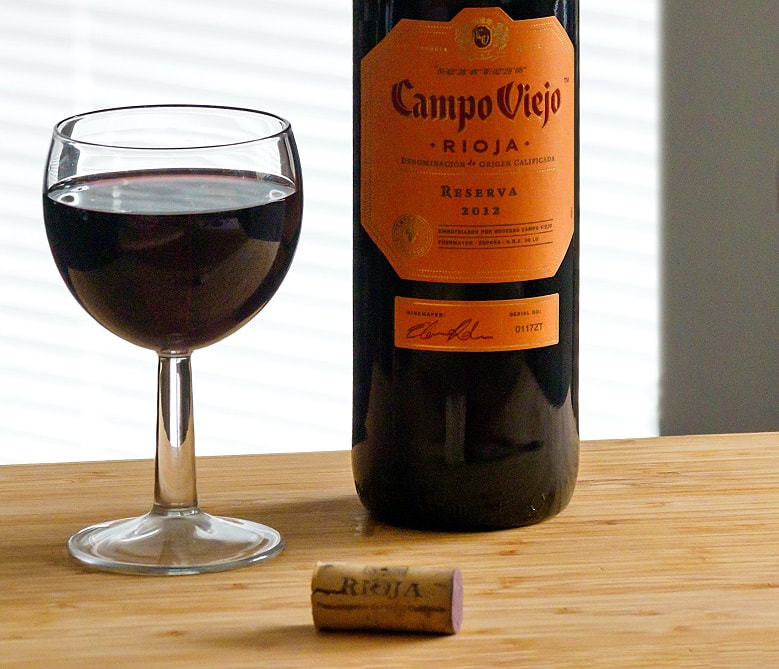 Brands of Tempranillo in the Indian Market (Mumbai prices)
Ribera Del Duero Portia, Ribera Del Duero Rs 3100 Finca Valdemacuco Roble Rs 3990 Bodegas La Horra, CORIMBO, Ribera Del Duero Rs 5989 Rioja Solar Viejo Rioja Rs 1780 Campo Viejo Rs 2000 Conde Valdemar Rioja Rs 2290 Faustino Crianza Rioja Rs 2299 Viña Pomal Crianza, Rioja Rs 2500 Viña Pomal Reserva, Rioja Rs 3300 Faustino Crianza Rioja Rs 4299 Roda, Sela Rs 5350 Faustino Grand reserva Rs 5899 Roda, Reserva Rs 8173 Roda 1 Reserva Rs 13012 Toro Telmo Rodriguez Dehesa Gago DO Toro Rs 3630 Bodegas Maurodos, Prima, Toro Rs 4989 Bodegas Maurodos, San Romans, Toro Rs 11252 Others Santana Rs 1490 Finca Vieja La Mancha Rs 1695 Casa El Unico Calatayud DO Rs 1800 Finca Vieja Crianza La Mancha Rs 1895 Bodegas Mauro, Tudela Del Duero Rs 10574 Prosecco is a sparkling wine made from the grape Glera. It is a refreshing and easy drinking style of bubbly available at different sugar levels from very dry to medium sweet styles. It is a sparkling which suits most palates and hence is the highest selling sparkling wine in the world. As per a an article published by Forbes last year, 2.5 Billion bottles are produced each year around the world of which 660 million come from Italy which puts it on top of the country table and of that 435 Million bottles are Prosecco. Prosecco from Australia? Prosecco DOC the regional classification was formed in 2009 , prior to this Prosecco was the name of the grape used to make the sparkling wine. Prosecco is made in the North Eastern part of Italy and is named after the region. In 2009 after the DOC the new nomenclature of the grape was Glera however Prosecco as a grape was being grown outside Italy too, especially Australia for around two decades. Australia first planted in the grape in the 90s and were making sparkling wine which became popular leading to multiple brands of the same. Australia and Italy continue to be at loggerheads on this issue, so whilst Australian Prosecco won't be found selling in the European Union don't be surprised if you if find one in India! 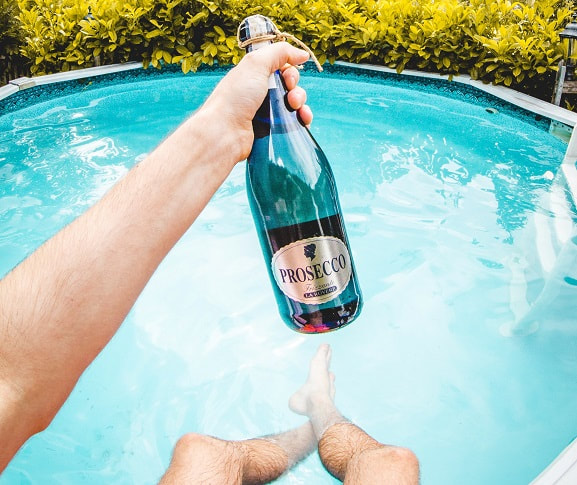 Brands of Prosecco in the Indian Market (Mumbai prices)
Just Roberto Rs 1850 Treviso Rs 1959 Bolla Rs 2100 Martini Rs 2300 Cavicchioli Extra Dry Rs 2500 Zonin, Special Cuvee Brut Rs 2500 Torresella Extra Dry Rs 2500 Luna Argenta Rs 2700 Villa Sandi Asolo Superiore DOCG Rs 2780 Villa Callapiano Rs 2799 Pasqua Audrey Hepburn Frizzante Rs 2799 Bisol, BELSTAR Cult Rs 2885 Carpene Malvolti Rs 2990 Santa Margherita Valdobbiadene Superiore DOCG Rs 3200 Sensi 18k Gold Rs 3960 Franciacorta: The other Italian sparkling wine of high repute we have in India is Franciacorta, a style of sparkling with secondary fermentation in the bottle just like Champagne. It was first made after the mid 1900s and continues to be made in the region the bubbly takes its name from. The grape primarily are Chardonnay and Pinot Noir. Ca'del Bosco Cuvee Prestige DOCG Franciacorta Brut Rs 11900 Syrah in France or Shiraz elsewhere is a bold and full bodied wine known for its predominant black pepper aromas along side the black fruit notes whilst hotter climate Shiraz also exudes chocolate notes and has lush fruit. It can take oak well and can make wines which can age. India produces commendable shiraz wines too. Key wine regions for Shiraz Rhone valley in France is the go-to for the grape, its sub regions for Syrah wines include Cote Rotie, Hermitage etc where they blend in a touch of Viognier a perfumed white grape. In relative cooler regions outside of France like the Sonoma in the USA and Yarra in Australia the grape is still addressed as Syrah to indicate the style of wine making. The warmer climates like Barossa and Mclaren Vale in Australia call it Shiraz. Shiraz & Food Pairing A spice laden Shiraz wine is a great combination with spicy Indian food is what we often hear in the Indian scene but it certainly must be considered with a big pinch of salt. A shiraz comes from moderate to hot climates and is high in alcohol, alcohol can take make spice levels in the food hit the roof and set once palate on fire, of course not literally. 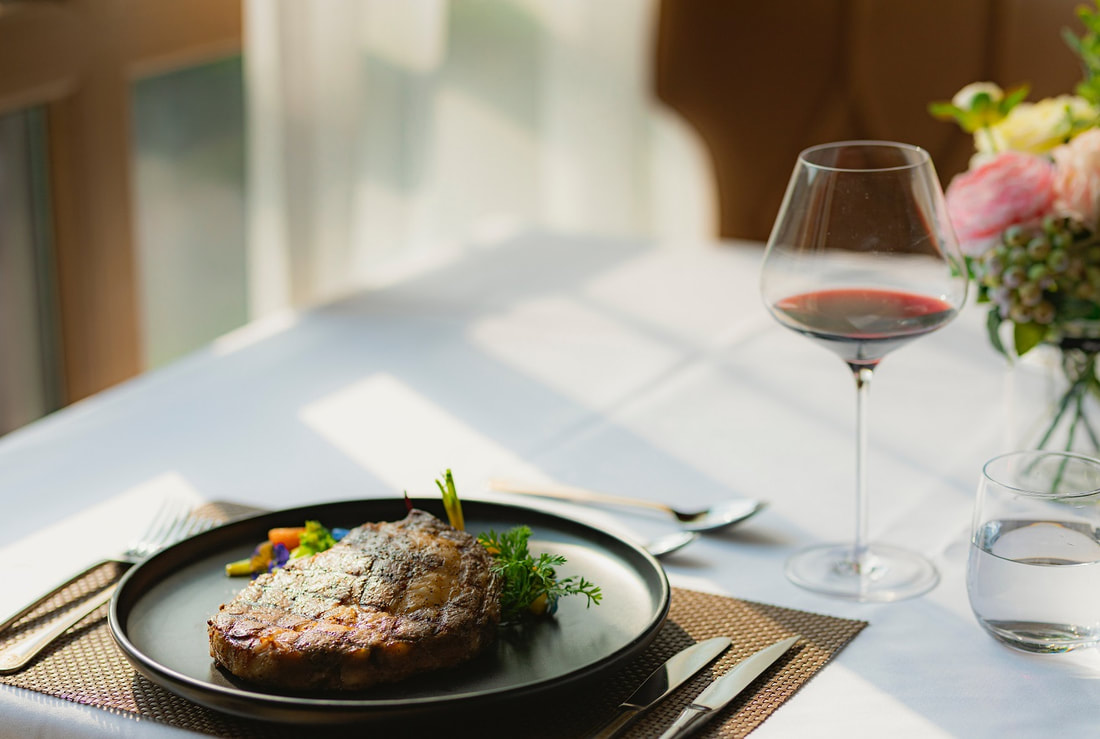 Brands of Shiraz in the Indian Market (Mumbai prices)
Australia Outback Jack Rs 1475 Bush Ballad Rs 1590 Wolf Blass Bilyara Rs 1975 Yellow Tail Rs 2095 Metal Label Black Rs 2670 Jacob's Creek Double Barrel Rs 2700 Peter Lehmann Barossa Rs 4500 Geoff Hardy Petaringa Rs 5400 Peter Lehmann " Stonewell " Rs 12950 Chile Concha Y Toro 'Frontera' Rs 1590 Carta Vieja limited release Rs 1896 France Paul Jaboulet Rs 2300 Delas Rs 2495 Domaine Les Alexandrins Rs 3145 M. Chapoutier, Les Meysonniers AOC, Crozes-Hermitage Rs 4500 Domaine Les Alexandrins St. Joseph Rs 6756 Italy Achelo Cortona DOC Rs 3582 South Africa Two Oceans Rs 1590 MAN Family, SKAAPVELKD Rs 1995 Cape Dreams Robertson Valley Rs 2065 Nederburg , The Wine Master's Rs 2450 Thelema, Stellenbosch Rs 4720 One international black grape India has taken affinity to is the Malbec. Malbec also called Cot in France is a grape which make medium to full bodied wines with bold tannins. It exudes aromas of black fruits and sweet spice including cloves and can blend in oak beautifully. French example can bring in earthy, meaty notes. Key wine regions for Malbec Cot has its origins in south west France particularly in the region of Cahors. It was the forerunner grape in the French wine scene and also dominated Bordeaux till the mid 19th century. After phylloxera a vine disease hit Europe, half of the Malbec plantations in Bordeaux were lost and a frost that followed decimated the grape. Malbec was replaced by the by Cabernet Sauvignon, Merlot then and are the key in Bordeaux blends today, Malbec is allowed too. During the mid 19th Malbec plantations were taken to Argentina by a Frenchman Miguel Pouget who was invited to give a push Argentine wine industry and he planted them in Mendoza, today its the holy grail of the grape. Argentina has 76000 acres of the grape with France coming second at 13000 acres. 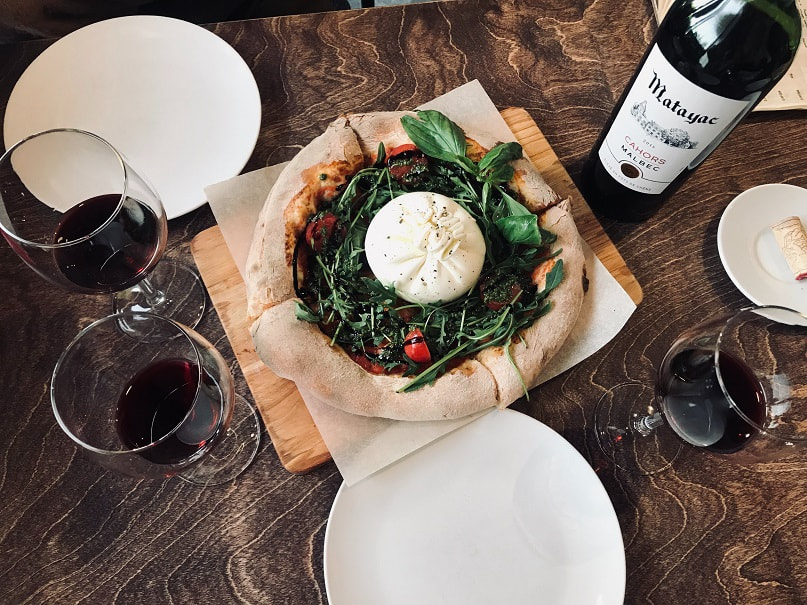 Brands of Malbec in the Indian Market (Mumbai prices)
Argentina Argento Rs 1700 Trapiche Rs 1770 Trapiche Oak Cask Rs 1880 MTB Rs 1986 Michel Torino Coleccion Rs 1995 Zuccardi Santa Julia Rs 2099 Mythic Mountain Rs 2100 Pampas del sur 'Reserve' Rs 2300 Zuccardi "Serie A" Rs 3295 Dominio del Plata, CRIOS Rs 3650 Terrazas Reserva Rs 4676 Dominio del Plata, BEN MARCO Rs 5350 Mythic Block Rs 5900 Zuccardi Concreto Rs 7900 Chile Carta Vieja limited release Rs 1896 France Comte Tolosan Je Suis A Boire Cot Rs 2050 South Africa Stonecross Rs 2160 Pinot Grigio is a wine that pleases all palates, so when in doubt open a grigio! A grape known for citrus, floral and stone fruit notes with refreshing acidity and is usually not heavy on the pocket. Most of us Indians have been loving the wines too. Pinot Gris same as the Grigio but is a riper style of wine with relatively less acidity and tropical notes. They can be sweet wines too. Key wine regions for Pinot Grigio Italy, predominantly the North East region of Tre-Venezie comprising Veneto, Friuli-Venezia Giulia and Trentino-Alto Adige/Südtirol is the go to for the grape. The Pinot Gris style is popular in the Alsace region of France and parts of New Zealand. Pinot Grigio & Food Pairing: It is a easy going wine that can start your evening with salted nuts on the side or can be the companion to your quick salad or sushi for lunch. Aglio Olio pasta, grilled fish with lemon butter, Herb tossed vegetables are some dishes the wine is very happy with. 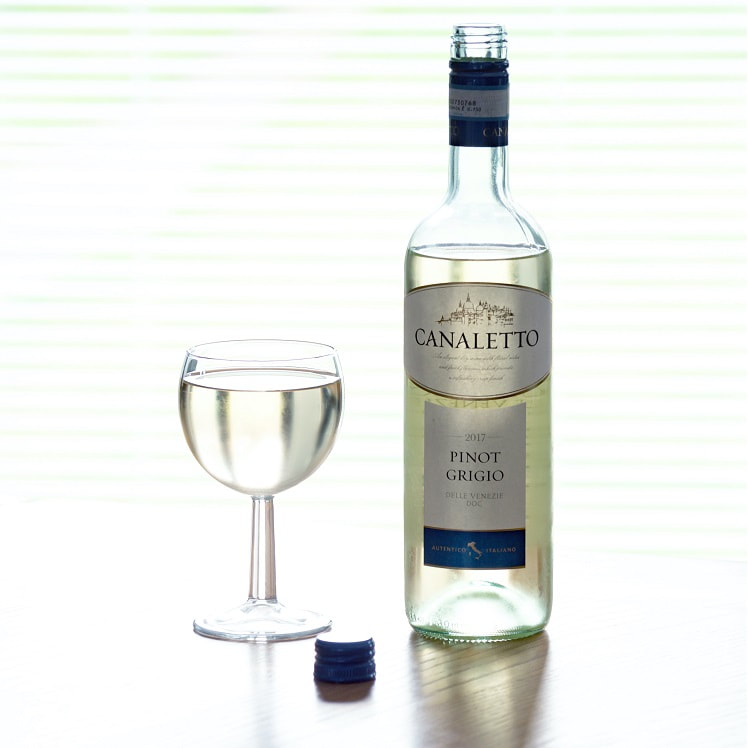 Brands of Pinot Grigio in the Indian Market (Mumbai prices)
Argentina Trapiche Rs 1770 Argento Rs 1850 Italy Golden Sparrow Rs 1750 Folonari Rs 1850 Pasqua Rs 1990 Sensi Collezione Rs 1999 Torresella, Veneto Rs 2000 Fantini, Sicily Rs 2290 Villa Sandi Rs 2350 Zonin, Friuli Aquileia Rs 2450 Alois Lageder Riff, Venezie Rs 2490 Colterenzio, Lumo Rs 2880 Santa Margherita Valdadige, Veneto Rs 2950 Masianco Rs 3750 Cabernet Sauvignon is the king of black grapes and grown globally. Cabernet is characterized by deep purple colour when young with high level of tannins gaining garnet tinges and mellowed tannins with age while cedar wood and tobacco notes are added to the Blackfruit aromas. These wines can age in bottles for decades because of its body, acidity, abundant flavor and tannins. Please note, whenever one speaks of age-worthy wines for any grape, it only refers to say 1% of the wines, the other 99% are meant for early consumption. Key wine regions for Cabernet Sauvignon It is most popular for its age worthy wines from Bordeaux. The most classic Cabernet Sauvignon comes from Medoc or Pessac-Leognan sub-district of Graves. Chilean and Californian Cabernets are riper (more fruit driven) and soft. Australian Cabernet shows a hint of eucalyptus, and Coonawarra region is known for its big and bold wines. Tuscan wines, the “Super Tuscans” since 1940’s are using Cabernet sauvignon to blend with their Sangiovese to give it structure and body. These blends are marked by their remarkable acidity and flavor profile. Cabernet Sauvignon & Food pairing We would stick to continental favourites of grilled meats and and aubergine lasagna for the vegetarians. We strongly suggest a sublime pairing of cabernet, 6-8 years and upwards to be paired with a hard cheese platter with prunes and nuts. 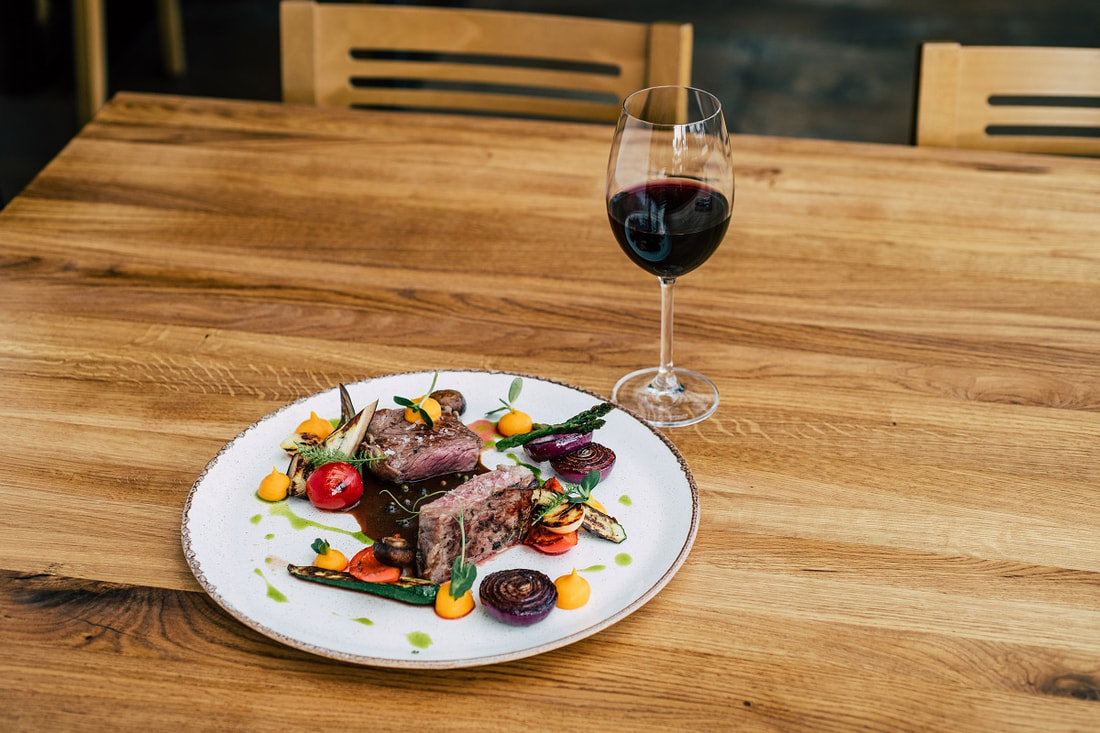 Brands of Cabernet Sauvignon in the Indian Market (Mumbai prices)
Argentina Zuccardi "Q" Rs 4750 Australia Geoff Hardy Petaringa Rs 5400 Chile Carta Vieja Rs 1446 Ventisquero Clásico Rs 1550 Conosur Bicicleta Rs 1650 Antares Rs 1650 Mancura Etnia Rs 1795 De Martino Isla de Maipo Rs 1950 Apaltagua, Gran Verano Rs 1980 Monte Pacifico Reserva Rs 2250 DBR Lafite, Los Vascos Rs 2480 De Martino "Legado" Rs 3360 De Martino Single Vineyard "La Cancha" Rs 5750 France Yvon Mau Cabernet Sauvignon IGP Rs 1750 Barton & Guestier Reserve Rs 1850 Charles Rousseau Rs 2100 South Africa 29 Made for Meat Rs 1970 MAN Family, OU KALANT Rs 1995 Vinologist, Stellenbosch Rs 2592 Thelema, Stellenbosch Rs 5983 USA Born West Rs 1975 Wente Vineyards Southern Hills Estate Grown, Livermore Valley Rs 3500 Cannon Ball Rs 4500 Honig Vineyards, Napa Valley Rs 10843 Pinot Noir is a “delicate darling” amongst grapes as it requires cool climatic conditions to grow, the good part is that it interacts with the terroir and depicts its truest character. Pinot tends to be fruity (strawberry, raspberry notes) and perfumed when young, with supple tannins and with age gains complexity. Because of the overall lack in body most of these wines are meant for early consumption. Key wine regions for Pinot Noir For everything in volume; one could rely on regions like southern France or south eastern Australia but for Pinot you have to turn to Romania. The greatest Pinot Noirs comes from Burgundy. The famous regions are Gevrey-Chambertin, Vougeot, Vosne-Romanée and Corton above Aloxe-Corton. The most looked up to being the Vosne-Romanée, with the world-famous likes of Romanéee-Conti, La Tache command stratospheric prices. Pinot Noir, also known as Spätburgunder in Germany is the most highly regarded red wine. Very few regions can claim to have a real proven affinity with the grape and Germany definitely is the front-runner after France. Oregon USA, Marlborough New Zealand, Yarra Valley Australia, Elgin South Africa are some regions whose wines are available in India. Pinot Noir & Food pairing Most wines are easy drinking light reds and go well with simple pasta dishes in tomato sauce, vegetable pizza, grilled tuna, mushrooms pies etc. Indian dishes like paneer kathi roll, beetroot gilawat, butter dal khichdi would pair well too. 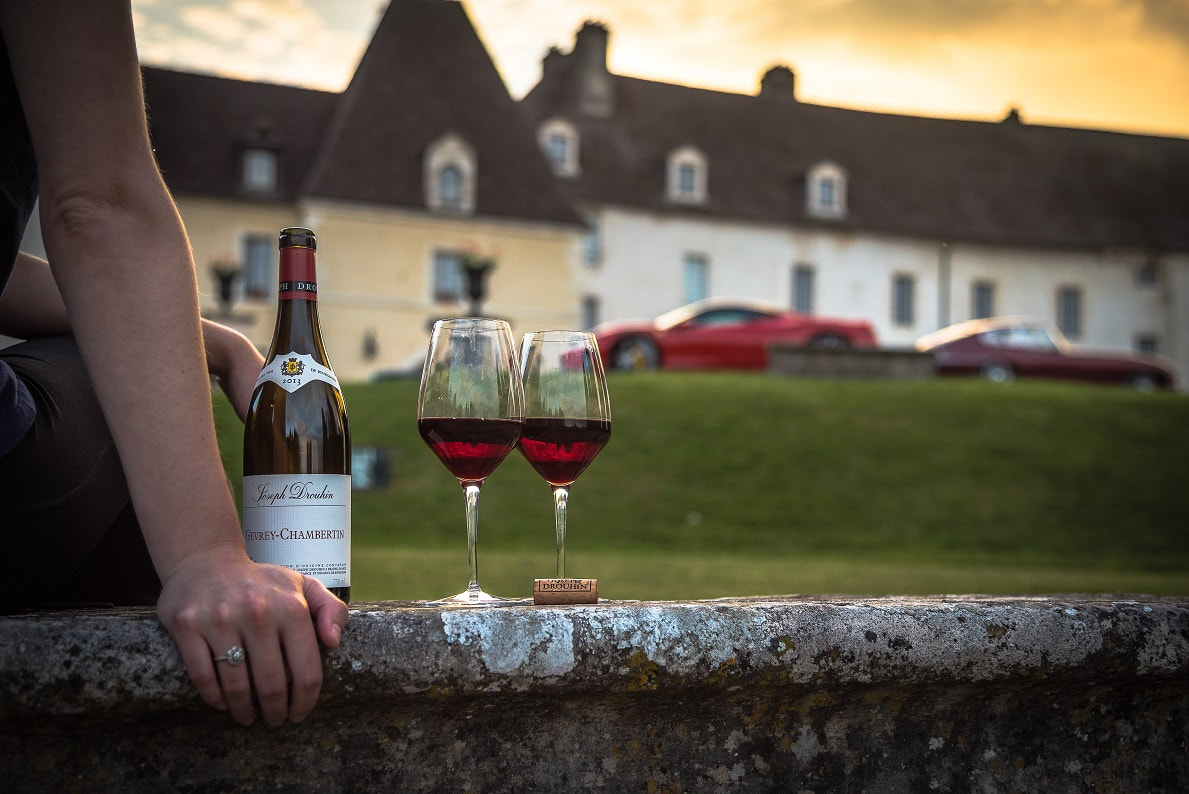 Brands of Pinot Noir in the Indian Market (Mumbai prices)
Burgundy wine Bouchard Aîné & Fils Pinot Noir "Les Vandangeurs" Rs 3250 Hautes Cotes De Beaune, Les Alouettes Moillard Rs 3585 Bouchard Pere & Fils Côte de Beaune Villages Rs 3630 Maison Albert Bichot, Bourgogne Rs 4500 Bouchard Pere & Fils Bourgogne 'La Vignée' Rs 4898 Vincent Girardin, Cuvée Saint Vincent, Rs 5550 Domaine Michel Lafarge Bourgogne Rs 6031 Domaine Bouchard Pere & Fils Beaune du Chateau Beaune 1er Cru Rs 8370 Vincent Girardin, VOLNAY 1er Cru "Les Santenots" Rs 12542 Domaine Sylvie Esmonin Vieilles Vignes Gevrey-Chambertin Rs 13135 Domaine Michel Lafarge Volnay Vendanges Selections Rs 13215 Maison Albert Bichot, Pommard Clos Des Ursulines, Domaine Du Pavillon Rs 13250 Vincent Girardin, POMMARD 1er Cru "Les Epenots" Rs 16315 Vincent Girardin, CLOS VOUGEOT Grand Cru Rs 28697 Others from France and around the world Australia Geoff Hardy Lakeside Rs 2450 Austria Heinrich, Burgenland Rs 3985 Chile Conosur Bicileta Rs 1700 Ventisquero Reserva, Casablanca Valley Rs 2200 France François Labet 'Ile de Beaute' Corsica Rs 3099 Pascal Jolivet Attitude Rs 3640 Fournier Menetou-Salon AOP Rouge Côtes de Morogue Rs 4895 Germany Heinz Pfaffman, Pfalz Rs 2700 Italy Folonari IGT Rs 1950 Sensi Collezione Rs 2250 Alois Lageder AA Rs 5200 New Zealand Brancott Estate Rs 2700 Anna’s Way Rs 3295 Allan Scott Single Generations Rs 3875 Saint Clair Rs 3998 Durvillea by Astrolabe Rs 4000 Framingham Rs 6500 Dog Point Rs 7653 South Africa Karatara, Elgin Rs 3254 USA Rajat Parr's Salem Wines Co. Oregon Rs 7123 Sandhi Sta. Rita Hills 7123 Chardonnay is the king of white grapes as it is very versatile and can grow in all weather conditions. Styles can range from a Bone-dry Chablis from cool climates, fruity and nutty Meursault from moderate climates or a tropical and unctuous hot climate Chardonnay from California. Chardonnay by itself is not a very aromatic grape variety and hence the wines undergo oak aging, malolactic fermentation and/or lees stirring. Oak gives it the toasty note, malo-lactic gives it a creamier, heavier mouth feel and lees stirring adds to the yeasty notes. It is the same kind of result as lees stirring, achieved on a grander scale in Champagne when it undergoes a secondary fermentation in the bottle and rested on the lees. Key wine regions for Chardonnay The Chardonnay grown on the Cote d'Or in Burgundy, France is the most expressive of all chardonnays. They come in unoaked styles like Chablis to the Oaked styles like the Montrachet. In California, Sonoma and the Central Coast to the south, where fog slows ripening, are capable of making great Chardonnays. They usually see a lot of enhancement techniques viz oak, malo etc. Chile too has similar ones due to similar climatic conditions. Oaking was a ritual in most Oz chardonnays, but now many producers are promoting un-oaked Chardonnay as they lay stress on the character of the grape. Chardonnay & Food pairing Chardonnays from cooler climates have refreshing acidity and green fruits which are perfect as an aperitif with salads and fresh salty cheeses. The hot climate ones with moderate acidity, tropical fruit notes which are often accompanies by oak go well with white grilled meats, grilled haloumi, Melanzane Parmigiana etc. 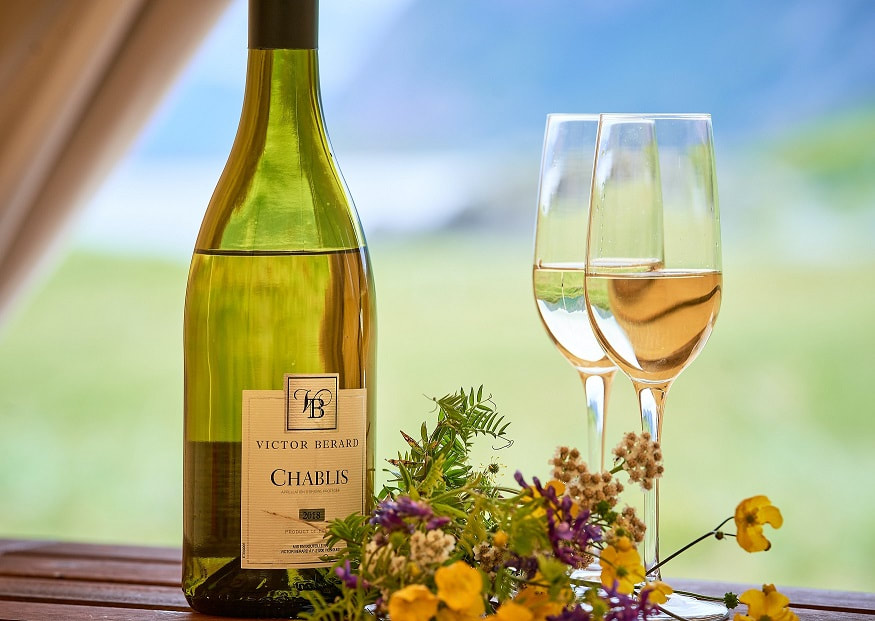 Brands of Oaked and unoaked or unwooded Chardonnays in the Indian Market (Mumbai prices) Unoaked Chardonnay Argentina AG 47 Rs 1500 Mythic Mountain Rs 2100 Australia Outback Jack Rs 1495 Jacob's Creek Classic Rs 1500 Bush Ballad Rs 1590 Wolf Blass Bilyara Rs 1975 Yellow tail Rs 2095 Chile Concha Y Toro 'Frontera' Rs 1590 Monte Pacífico, Rapel Valley Rs 1650 Conosur Bicicleta Rs 1650 Mancura Etnia Rs 1795 Casa El Unico Rs 1800 Apaltagua, Gran Verano Rs 1980 Concha Y Toro Reserva 'Casillero del Diablo' Rs 2150 DBR Lafite, Los Vascos Rs 2480 France Early Dark Rs 1550 Le Grand Noir Rs 1550 Domaine Montrose Rs 2099 Charles Rousseau Rs 2100 Bouchard Aîné & Fils Chablis Rs 4000 Maison Albert Bichot, Chablis Rs 4950 Hamelin Chablis Rs 5250 Christian Moreau, Chablis Rs 5418 Domaine William Fevre Chablis Rs 5600 Jean & Sebastien Dauvissat Chablis 'Saint Pierre' Rs 5990 Domaine William Fevre Chablis 1er Cru Beauroy Rs 10600 Italy Giacondi Casa Chardonnay Rs 1199 Zonin Rs 1590 Folonari Rs 1600 Povero Piedmont Rs 2100 Passopisciaro, Passobianco, Etna Rs 7092 South Africa Two Oceans Chardonnay Rs 1590 Niel Joubert Chardonnay Rs 1895 MAN Family, PADSTAL Rs 1995 USA Born West Rs 1975 Grove Ridge Rs 2200 Cannonball Rs 4500 Oaked Chardonnay
Chile Ventisquero Reserva , Casablanca Valley Rs 2200 France Bouchard Aîné & Fils Chardonnay "Les Vandangeurs" Rs 3000 Le Duche Moillard Burgundy Rs 3585 Bouchard Pere & Fils Bourgogne 'La Vignée' Rs 4898 Vincent Girardin, Cuvée Saint Vincent, Bourgogne Rs 4987 Maison Albert Bichot, Pouilly Fuisse Rs 5990 Domaine Bouchard Pere & Fils Beaune du Chateau Beaune 1er Cru Blanc Rs 8370 Chateau Fuisse Pouilly Fuisse Tete De Cru Rs 8690 Vincent Girardin, MEURSAULT 1er Cru "Charmes-Dessus" Rs 14890 Vincent Girardin, CHASSAGNE-MONTRACHET 1er Cru "Morgeot" Rs 16315 Maison Albert Bichot, Puligny Montrachet Blanc Rs 16790 Vincent Girardin, PULIGNY-MONTRACHET 1er Cru "Les Referts" Rs 17545 Italy Bramito Del Cervo, Castello della Sala Umbria Rs 4250 Jermann W Dreams Venezia Giulia 375ml Rs 8460 Tenuta Lageder Löwengang biodynamic Rs 13470 New Zealand Kumeu River Village Rs 3243 Dog Point Rs 5885 Kumeu River Hunting Hill Rs 7923 South Africa Thelema, SUTHERLAND Rs 3254 USA Wente Vineyards Morning Fog, Livermore Valley Rs 3100 Sandhi Sta. Rita Hills 7123 Riesling is a very aromatic grape variety with naturally high acidity making it a workhorse grape capable of producing wines which are bone dry to luscious sweet wines just like Chenin Blanc. The wines have redolent aromas of flowers, citrus and stone fruits when young and develops complex notes honey, nuts and petrol like aromas. The acidity also help Riesling to age for a very very long time. Some important Riesling regions: The go to country for Rieslings is Germany and then followed by France and Austria. Mosel and Rheingau are two regions in Germany, Alsace in France and Wachau and Kremstal in Austria. Each of the countries have their own regulations and labelling requirements. New world countries included Australia, New Zealand and also the USA. Please ensure you confirm the sugar levels in the wines before picking them as sugar levels can range from less than 10 grams of sugar per liter to more than 300. Riesling & Food pairing: All international food pairing guides will guide you to a Riesling for pairing with Indian food as most rieslings have that residual sugar to combat the heat in Indian food. Please remember this works for moderately spiced food only! Sweeter rieslings can pair with a host of desserts range from peach pies to lemon tarts to salty blue cheeses. 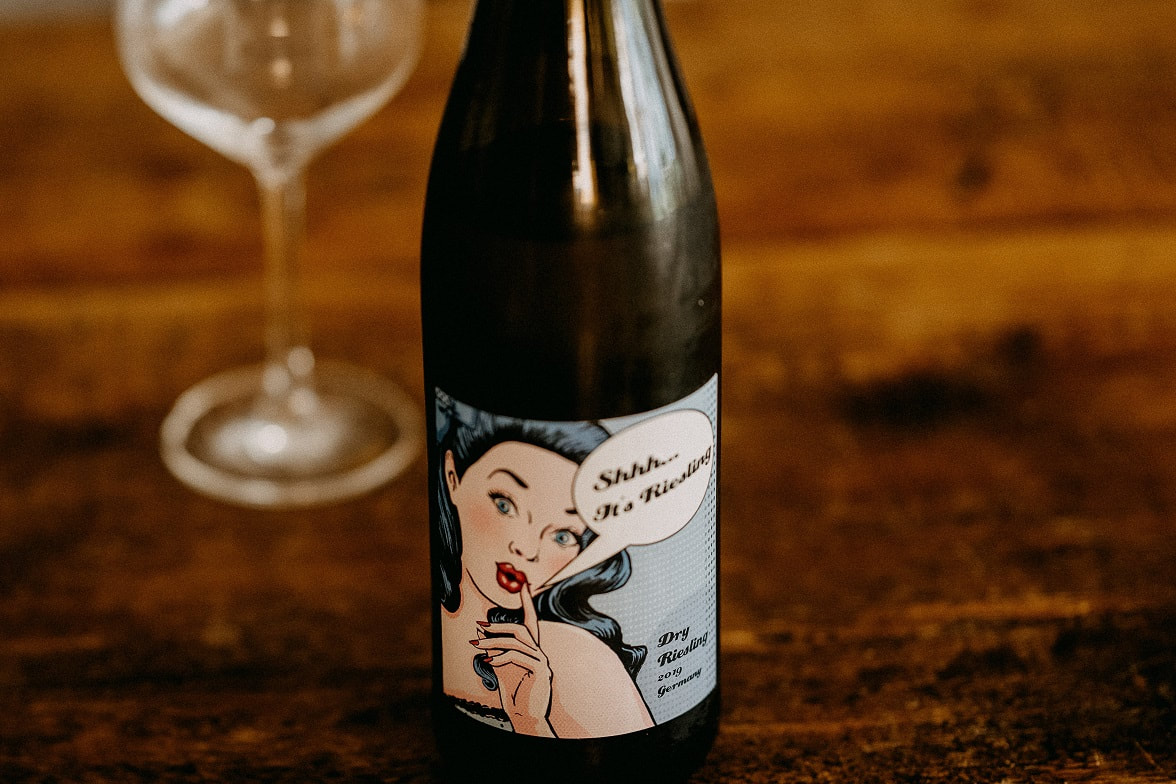 Brands of Riesling in the Indian market with their Mumbai pricing
Australia: Peter Lehmann Portrait Eden Valley Rs 3750 Peter Lehmann " Wigan " Rs 5250 Austria: Domaene Gobelsburg Urgestein Rs 3495 Jurtschitsch Kamptal Rs 4600 F.X. Pichler Wachau Loibner Steinertal Smaragd Rs 9560 France: Famille Hugel AOC Alsace Rs 4690 Famille Hugel Grossi Laüe Rs 15000 Germany: Black Tower Rs 1790 Dienhard Green label Rs 1900 Bex Nahe Rs 2666 Selbach Incline Rs 2950 St. Urbans-Hof, QbA, "OLD VINES" Rs 3596 Reichsgraf Von Kesselstatt Rs 3596 Gunderloch Rheinhessen Fritz's Riesling Dry Rs 3900 Donnhoff, Trocken (dry) Rs 3985 Schloss Lieser Mosel Feinherb Rs 4730 Kesselstatt, Piesport GOLDTRÖPFCHEN Rs 4950 Villa Wolf Forster Pechstein Pfalz GG Rs 5197 Müller-Catoir Pfalz Gimmeldingen Kabinett Rs 6670 Donnhoff Niederhauser Hermannshohle Riesling Spatlese Rs 15069 New Zealand Framingham Classic Rs 4900 Europe I heart Riesling Rs 1750 Champagne is the best known sparkling wine,it is so popular that it is synonymous with any sparkling wine made across the world, but legally it can only be made in the Champagne region of France using the traditional method of secondary fermentation in bottles. Champagne is the most tightly regulated of sparkling wines and below are some highlights that matter to the consumer: Champagne Highlights : - Made in Champagne, France - Grapes Used: Chardonnay, Pinot Noir, Pinot Muenier, Pinot Blanc, Pinot Gris, Petit Meslier and Arbane. The first three grapes account for 99% of the total grapes. - Secondary bottle fermentation and minimum time spent maturating on lees is 15 months for non-vintage Champagne and three years for vintage Champagne. Lees are the dead yeast cells responsible for the biscuit or toasty notes in a traditional method sparkling wine like a champagne. - Vintage Champagnes can use grapes from one year and is done only in exceptional year as the champagne house deems fit. Most of them are Non Vintage, meaning a blend of wines from different year. - Most Champagnes are meant to be drunk once bought but for Vintage ones which can stay for extended periods. - Blanc De Blanc Champagnes are made from white grapes like Chardonnay and Blanc De Noir is made from either of the two black grapes, the Pinot Noir or Meunier. - Brut on a bottle indicates the sugar levels in the bottle. It is less than 12gms of Sugar per liter of Champage. Extra Brut is less than 6 gms. Just for comparison, a cola has around 120 gms. - When it comes to Champagne and Food pairing, we say "when in doubt open a Champagne." . Nonetheless on top of the classic pairing come Oysters and from the Indian perspective we will stick to salted nuts, cheese canapes, and no-heat Indian kebabs like the Chicken reshmi kebab, Broccoli Malai tikka etc. 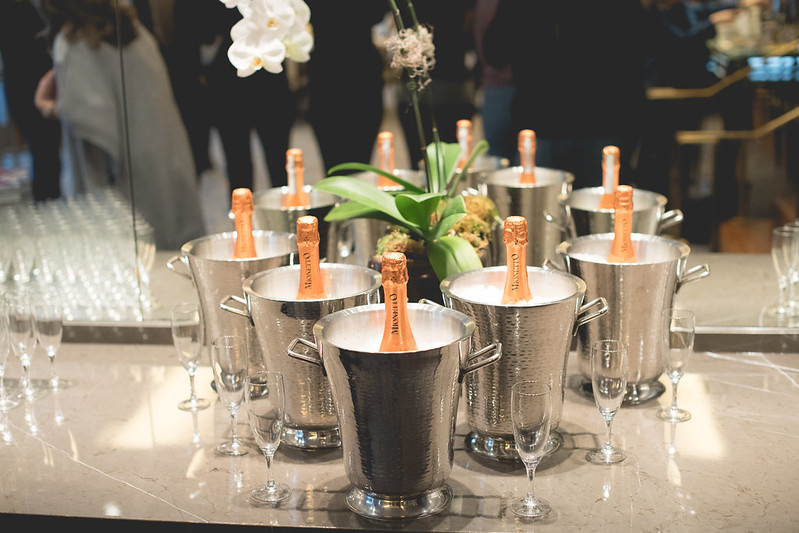 Brands of Champagne in the Indian market with their Mumbai pricing
G H Mumm Rs 6300 Besserat de Bellefon Grande Tradition Brut Rs 7200 Drappier Carte d'Or Brut Rs 7500 Phillipe Gonet, BLANC de BLANC BRUT Rs 7853 Champagne Nicolas Feuillatte Brut Reserve NV Rs 7950 Laurent Perrier La Cuvee Brut Rs 7999 Moet Chandon Brut Rs 8163 Louis Roederer Brut Rs 8200 Chartogne-Taillet Brut Saint Anne Rs 8360 Vueuve Cliquot Rs 8750 Moet Chandon Ice Rs 8900 Jacquesson Cuvee No. 742 Rs 9900 Besserat de Bellefon Cuvée des Moines Sec Rs 9999 Billecart-Salmon, BRUT RESERVE Rs 10778 Laherte Freres Les Empreintes Rs 11699 Agrapart File Mineral Rs 17990 Krug Grand Cuvee Brut Rs 23662 Dom Perignon Vintage 2008 Rs 26723 BB Cuvee 1843 Rs 48000 Rose: Leherte Freres Rose NV Rs 6800 Besserat de Bellefon Cuvée des Moines Rose Brut Rs 7200 Besserat de Bellefon Grande Tradition Rose Brut Rs 8299 Nicolas Feuillatte Brut Rose NV Rs 9990 Laurent Perrier Cuvee Rosé Rs 13500 Pol Roger Brut Rose Rs 16400 Billecart-Salmon, BRUT ROSE Rs 17399 Bordeaux is the crowning glory of the wine world. Home to names such as Château Lafite-Rothschild, Château Latour, Château Margaux, Château Haut-Brion, Château Mouton-Rothschild, Château Pétrus etc. , it is a region which has more than 120000 Hectares of land dedicated to viticulture, spread over sub-regions of Médoc, Graves, Sauternes, Entre-Deux Mers and other satellites. Bordeaux wines can be red, white, roses and also sparkling. They are always a blend of different grapes varieties to hedge against climatic variations. Bordeaux is not about consistency in wines each year but is about the best possible blend or expression possible given the grape growing conditions that year or vintage. Grapes or Cepage: Red: Cabernet Sauvignon, Merlot, Cabernet Franc, Petit Verdot, Malbec, Carmenere White: Sauvignon Blanc, Semillon, Muscadelle, Ugni Blanc, Colombard, Sauvignon Gris, Merlot Blanc The first 3 grapes in each of the above form more than 95% of the total cultivation. Starting 2021 the following grapes will be allowed too. Red: Marselan, Touriga Nacional, Castets, Arinarnoa White: Alvarinho, Liliorila Bordeaux Left and Right Banks: Bordeaux is divided into two, by the river Gironde, into the famous Left Bank and Right Bank. The upper Left Bank regions (Haut-Médoc, Médoc, Pessac-Léognan) specialize in Cabernet Sauvignon dominated blends. White wine dominates the southern Left Bank with Graves producing Sauvignon Blanc, and Sauternes / Barsac specializing in sweet wines. The popular Right Bank regions Pomerol and St. Emillion, are famous for their Merlot dominance. (Read more about Single varietal Merlots from other parts of the world here) 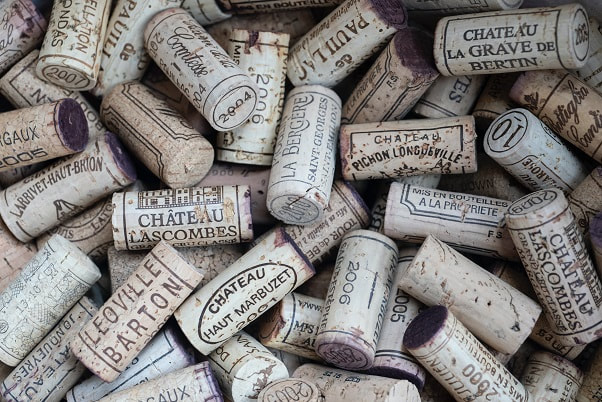 Brands of Bordeaux Wines in the Indian market with their Mumbai pricing
RED WINES: Cap Royal Bordeaux Superior Rs 1900 Early Dark Gerard Arbeau Rs 2200 L’Esprit de Bacchus Rs 2250 Premius Rs 2305 Esprit de Bacchus Bordeaux Superior Rs 2450 Beau Rivage Bordeaux Superieur Rs 2504 Chateau Goumin Rs 2580 DBR Lafite, Légende Rs 2750 DBR Lafite, Réserve Spéciale Rs 2750 Château De Fontenille Rs 2770 Chateau Bonnet Rs 2830 Chateau Timberlay Bordeaux Superior Rs 2990 Michel Lynch Rs 3099 Chateau de Paranchere Rouge AOC Bordeaux Superieur Rs 3450 Barton & Guestier Passeport Saint Emilion Rs 3660 DBR Lafite, Réserve Spéciale Médoc Rs 3790 Chateau Timberlay Cuvee Prestige Rs 4200 Chateau Tour De Segur St Emillion Rs 4260 Chateau Coucheroy Pessac Leognan Rs 4470 Chateau de Paranchere Cuvee Raphael Rs 4500 Clarendelle Rs 4983 Thunevin, BAD BOY Rs 5588 DBR Lafite, Réserve Spéciale Pauillac Rs 7500 Chateau la Louviere Grand Cru Pessac Leognan Rs 8299 Le Baron de Brane, Château Brane-Cantenac 2014 Rs 9796 Château Poujeaux, Moulis 2014 Rs 10073 Thunevin, Virginie di Valandraud 2014 Rs 11596 Château Sociando Mallet 2014 Rs 11643 Les Pagodes de Château Cos d'Estournel 2011 Rs 13320 Château Phélan Ségur 2012 Rs 13952 Château Haut Condissas Médoc 2010 Rs 15870 Château Kirwan, 3eme Grand Cru Classé, Margaux 2011 Rs 16537 Château Lagrange, 3eme Grand Cru Classé 2017 Rs 16593 Château Chasse-Spleen Moulis 2009 Rs 21030 Château Rauzan Ségla, 2eme Grand Cru Classé, Margaux 2018 Rs 28711 Canon La Gaffeliere St. Emilion 1er Grand Cru Classe 2005 Rs 41000 Leoville Las Cases Saint Julien 2006 Rs 63920 White Wine: Please click the Bordeaux selection Super Tuscan -Bordeaux Blends Tenuta di Trinoro Le Cupole IGT Toscana Rs 8560 La Brancaia ILATRAIA, Rs 11921 Guado Al Tasso Rs 24950 Merlot pronounced "Mer Low" is a crowd-pleaser, this red grape varietal make wines which are elegant and approachable and breaks ice with consumers instantly. The wines have moderate tannins and are known for their plum, prunes, fruit cake notes etc. depending on the region they come from. The grape is believed to take its name from the French 'Merle' meaning the blackbird. Some important Merlot regions: Best known for its role in Bordeaux blends, Merlot has been planted for centuries in Bordeaux's cooler wine regions of Pomerol, St-Emilion and inland vineyards of Entre-Deux-Mers as it ripens early. Single varietal Merlot wines were not really appreciated until they reached the American shores. American, Californian hot climate Merlots are known for their smooth texture and plum cake aromas. Chilean Merlot coming from a relatively moderate climate is fruitier. There are examples of good quality Merlot in Italy, in the Veneto and notably in Tuscany where it has been blended for famous examples. Outside Europe, Merlot is yet to reach its glory. Better suited to the cool climate of New Zealand and other new world countries, it still has to ground to cover. Merlot & Food pairing: Most Merlot expressions of the fruity and easy drinking kinds will pair with popular dishes like pizzas, pasta in tomato sauce, grilled chicken or a meaty fish like tuna, Mushroom risotto, young semi-hard or hard cheese with some fruit coulis etc. You can pair it with mildly spiced Indian dishes ranging from the classic Paneer tikka, dal vada, Amritsari macchi, Chicken malai seekh etc. 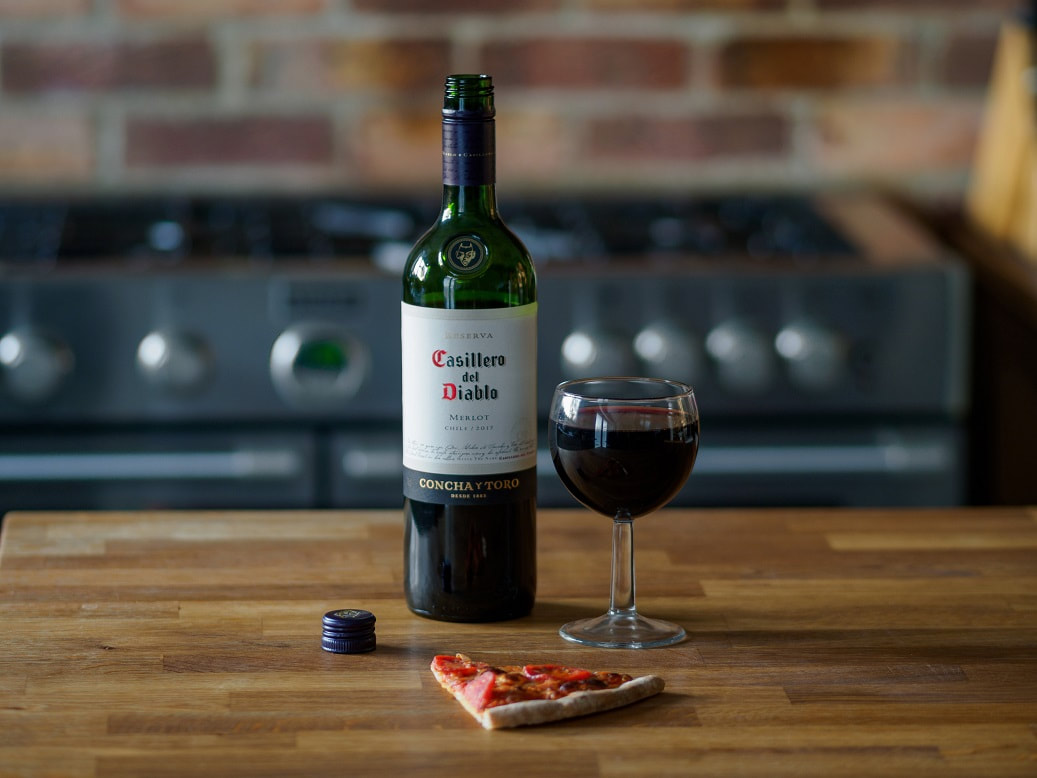 Brands of Merlot in the Indian market with their Mumbai pricing
Australia: Jacob's Creek Classic Rs 1500 Yellow Tail Rs 2095 Chile: Carta Vieja Rs 1446 Concha Y Toro 'Frontera' Rs1590 Conosur Merlot Tocurnal Rs 1650 Monte Pacífico, Rapel Valley Rs 1650 Mancura Etnia Rs 1795 Carta Vieja limited release Rs 1896 Concha Y Toro Reserva 'Casillero del Diablo' Rs 2150 France: Yvon Mau Merlot IGP Rs 1720 Barton & Guestier Reserve Rs 1850 Domaine Montrose Rs 2099 Charles Rousseau Rs 2100 Italy: Giacondi Casa Rs 1199 Zonin Ventiterre Rs 1590 Folonari Rs 1600 Pasqua delle Venezie IGT Rs 1770 Sensi Collezione Rs 1980 Torresella IGT, Veneto Rs 2000 Villa Sandi DOC Rs 2200 Cont'ugo Bolgheri DOC Rs 9950 New Zealand: Allan Scott Estate Bottled Rs 2495 South Africa: MAN Family, JAN FISKAAL Rs 1995 Niel Joubert Rs 2100 USA Grove Ridge Rs 2200 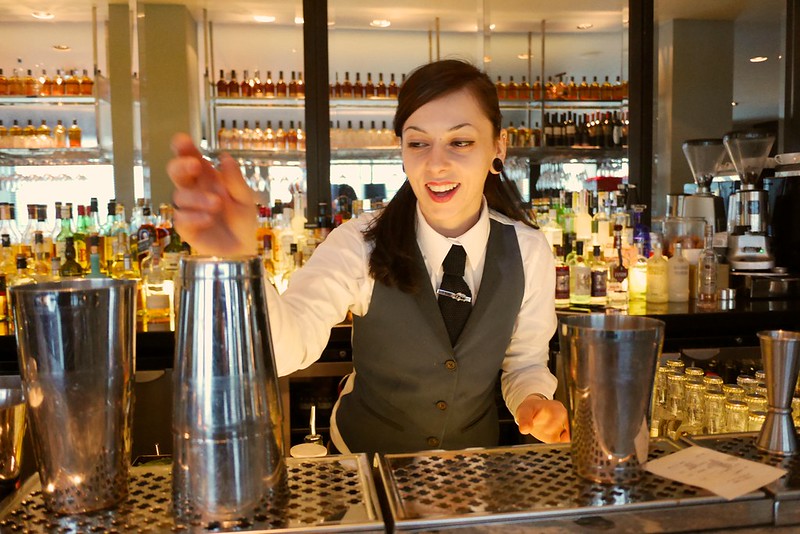 The wine & spirit repertoire in India is astonishingly limited given our population and the prospective market size, some blame it on regressive liquor policies, some on advertising restrictions so on and so forth. One such factor that impedes growth is lack of “awareness” about the drinks category both amongst consumers & professionals and this is one hurdle that not many brands cross. Brands have tried to enter India in lure of the demographic dividend only to be disappointed with no offtakes and gone back, some have tried multiple times too. We agree that wading through policies is a tough ask, however, most manage to do that to find place on shelves, but ultimately lie unsold! The reason, no push from the salesman and no pull from the customer due to lack of knowledge. It all ends with stocks being liquidated with some crazy scheme and BOGO offers and the business drops curtains. Liquor behemoths like Diageo and Bacardi are ahead of the curve on their awareness game through surrogacy and below the line initiatives including education but if you are an upcoming brand then the following is something you need to budget for and not go via the discounting route to make space for yourself in the market. Influence the thought leaders: Thought leaders in this context are people at the point of sale be it retail or restaurants who are involved in decision making on listing the category or the brand and selling the brand to the consumer. How can one engage with them to create awareness and top of mind recall? Masterclasses: Brands need to wake up and start master classes on categories whilst weaving the brand in. The idea is to instil confidence in customer facing associates through knowledge and thus empowering them to pass the same on to their customers. Several brands incentivize the front liners further with sales linked cash and vouchers but with a hyperopic view it is better to make then genuinely believe in the brand and be loyalists via experiences than monetary benefits. Site visits: The more the front liners know about you the better and thus the requirement of making them more confident by showcasing your manufacturing facility and educate them about the process. Create unforgettable experiences for your ambassadors around it, make them believe in you. It is also a good idea to target future thought leaders in hospitality and beverage institutes. Competition and community building: Lastly competitions initiated by the brand help the brand or category get broad visibility via bartenders or sommeliers who educate and influence their own circles. Please remember, do not make this a “Brand Exercise” only but let the core be community building as this initiative will take time to gain foot. This community you build will be your equity in the long term. Break Ice with the consumer:
The customers are the key, some are irrational in their buying behaviours, some want to play it safe with known brands and are loyal, some love the freebies, some fall for the packaging and there are many other factors to consider with them at the heart of it. As new brand or category, it is important to break ice with the customer & bring the liquid to the lips at least once. Curated Experiences: Create experiences that match your brand ethos. A sun downer on a yacht or a dessert & night cap evening perhaps, make it easier and some aspirational for your consumer to associate with your brand. Involve your partners in both off and on-premise for these activities to create that sense of ownership. Sampling opportunities: Sampling is the holy grail of wine and spirit marketing and eventually sales. Grab every sampling opportunity that comes your way or create ones that help you directly talk to your consumers. Cocktail promos, DIY evenings, drink master classes etc. This is very much required for in the early phase of the product life cycle. Collaboration: Collaborate with brands which share a similar consumer profile and find ways of engaging with them through symbiotic relationships online or offline. I also see ‘Influencer’ associations based on number of followers but not relevance, that would be ok if you were selling an FMCG item and using that collaboration as a megaphone, but premium drink brands need thought leaders who people believe in and seek advise from. Remember you are a lifestyle product and people want to engage with you, you will have the choice. Last words, when planning for a brand especially imports, it is good to have a 5-year horizon to gain some foot in the market organically as most brands fizzle out after the couple of consignments. Chenin blanc is a grape which is very popular in India and grows in Nashik too. Brands like Reveilo and Grover are doing a great job with the grape and the Indian consumer is loving it. Chenin blanc is a grape which is naturally high in acidity and can be made in zero sugar to very sweet style of wines and also sparkling. The flavours range from floral to apples to tropical like pineapple. Chenin Blanc Wine regions: The classic wine regions for chenin is the Loire valley in France comprising villages like Anjou, Vouvray, Saumur and Touraine making varied styles of the grape. Outside of France, South Africa has made a mark for their easy drinking , no fuss, tropical chenin blancs just like India. Chenin Blanc and food pairing: Most Chenins in India come with some hint of sugar in the wine and mouth watering acidity making it a great accompaniment to mildly spice food, Indian too. The ones in India are easy drinking wine and all it needs is a bowl of classic salted wafers. 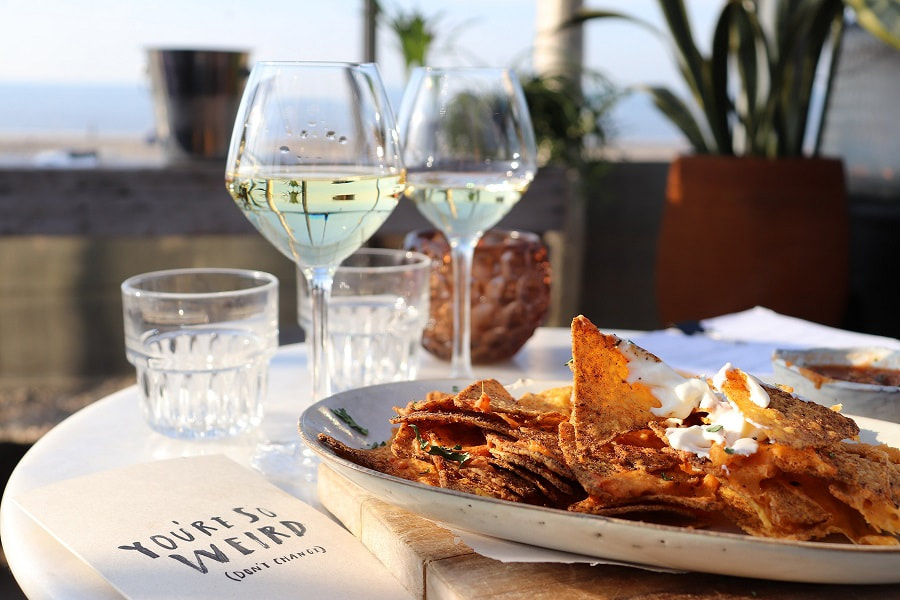 Brands of Chenin Blanc in the Indian Market (Mumbai pricing)
South Africa Cape Elephant Rs 1500 Cape Zebra Rs 1650 Cape Dreams Rs 1965 MAN Family, REE RUN STEEN Rs 1995 Stonecross Rs 2160 USA Dry Creek Sonoma Rs 2945 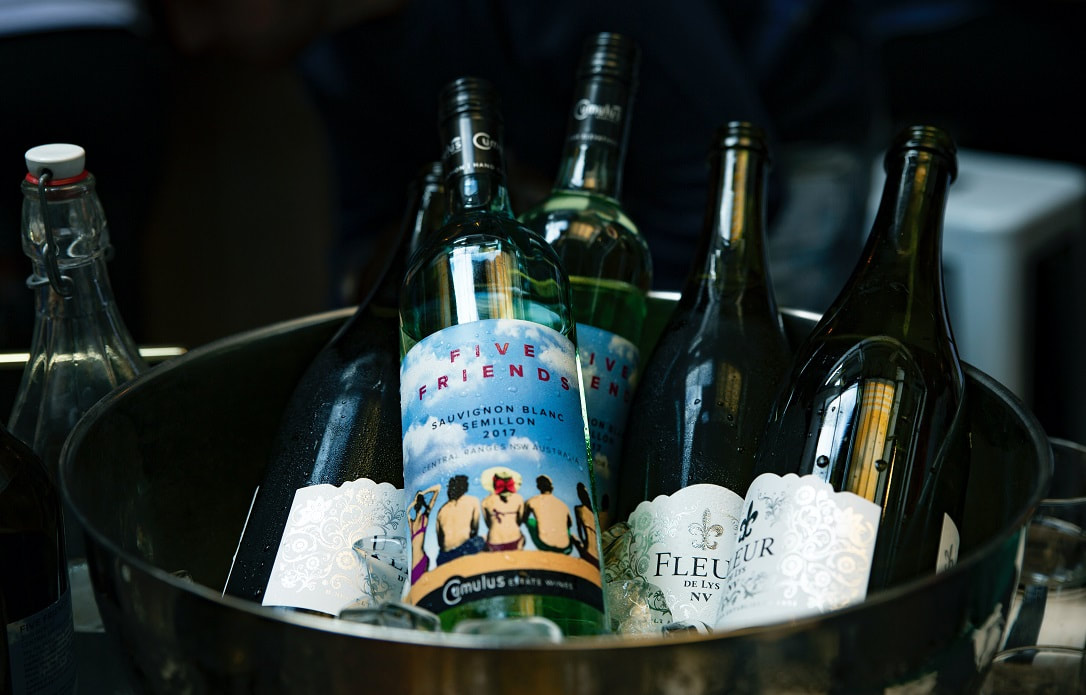 Sauvignon Blanc is a very juicy and aromatic grape variety with refreshing acidity and is great for the Indian weather. Elderflower, bell pepper, passion fruit, gooseberry, grass are the notes attributed to a Sauvignon Blanc. They are meant for youthful consumption and in most cases are un-oaked. Some important Sauvignon Blanc regions: The most famous Sauvignon comes from the Sancerre and Pouilly Fume from the Loire valley in France. Bordeaux whites also use Sauvignon but blend it with Semillon, which has a heavier body. Marlborough at the north of New Zealand's South Island is the answer from the new world to the Loire and makes bold, fruit driven wines. The Adelaide Hills and such cool parts of New South Wales are well suited to Sauvignon Blanc. California in the USA particular Napa valley is know for "Fume Blanc" an oaked style. Sauvignon Blanc & Food pairing: The acidity and aromatic freshness in a Sauvignon blanc makes it perfect to pair with most salads, pan seared fish like a sole, fried goat cheese and a fresh cheese platter with nuts and fresh fruits. You can pair it with Indian appetizers like malai chicken tikka, masala papad, dahi kebab etc. Brands of sauvignon blanc in the Indian market with Mumbai pricing
Argentina Trapiche Rs 1770 Australia Metal Label Padthaway Rs 2525 Petaringa Adelaide Hills Rs 4500 Austria Sattlerhoff, Sudsteiermark Rs 2988 Chile Carta Vieja Rs 1446 Ventisquero Clásico Rs 1550 Luis Felipe Edwards Rs 1600 Antares Rs 1650 Mancura Etnia Rs 1795 Isla de Maipo Rs 1950 DBR Lafite, Los Vascos Rs 2480 Bordeaux Premius Rs 2150 Esprit de Bacchus Rs 2250 Esprit de Bacchus Moelleux Rs 2250 Chateau Goumin, Entre Deux Mers AOC Rs 2399 DBR Lafite, Légende Rs 2750 DBR Lafite, Réserve Spéciale Rs 2750 Château De Fontenille, Entre Deux Mers AOC Rs 2770 Chateau Bonnet, Entre Deux Mers AOC Rs 2779 Chateau Timberlay Rs 2990 Michel Lynch AOC Rs 3099 Chateau de Paranchere Blanc Rs 3450 Clarendelle Rs 4983 Sparkling - Premius Crémant de Bordeaux Brut Rs 2720 Sparkling - Robert Giraud Cremant De Bordeaux Rs 2450 France Others: Early Dark Gaillac Rs 1975 Charles Rousseau Rs 2100 Pascal Jolivet Attitude Rs 3000 Fournier Cuvée 'Les Deux Cailloux' Pouilly-Fumé Blanc AOP Rs 5195 Fournier Cuvée 'Les Belles Vignes' Sancerre Blanc AOP Rs 5395 New Zealand (Marlborough) Allan Scott Estate Bottled Rs 2495 Brancott Estate Rs 2500 Durvillea by Astrolabe Rs 2900 Anna’s Way Rs 2995 Allan Scott Generations Rs 3395 Saint Clair Rs 3776 Schubert Selection Rs 3860 Dog Point Rs 4258 Framingham Rs 4900 Dog Point, Section 94 Rs 5885 Cloudy Bay Rs 8750 South Africa Niel Joubert Rs 1895 MAN Family, WARRELWIND Rs 1995 Stonecross Rs 2160 Nederburg , The Wine Master's Reserve Rs 2450 Vinologist Rs 2592 Thelema, SUTHERLAND Rs 2905 USA Dry Creek Fume Blanc Sonoma Rs 2950 Honig Vineyards, Napa Valley Rs 4453 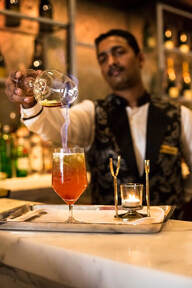 Harbour Bar Harbour Bar A good cocktail list with bartenders spreading good vibes is what makes the cut for a great bar. A “good cocktail list” is subjective but for us it is about the choice of drinks, seasonality, ingredients and of course the bartender on the other side. Let us look at our go to list of bars in Mumbai. AER High up in the air at the Four Seasons Hotel, the AER is open-air and known for its views as much it is for its cocktails. Modern take on classics has usually been their mantra. Americano Helmed by Chef Alex Sanchez, the restaurant showcases a drinks menu which is Mumbai inspired. With a lot of home-made bitters and mixes, the Americano offers an experience. Try their Horniman Sour. Bombay Canteen Having been crowned the best restaurant in the country, the Bombay Canteen has been living up to the standards even on the cocktail side. Fresh juices, fancy mixes and a great vibe is what you should expect. Harbour The first licensed bar of Mumbai spanning almost 9 decades deserves a visit to soak in the old-world glory with an evolving menu whilst some legends like “From the Harbour Since 1933” are a permanent feature on the cocktail list. It is inside the Taj Mahal Hotel. House of Nomad This bar at the Taj Lands End kind of signalled the hotel group’s intention to deep dive into the world of modern drinks culture and it has been earning all the adulation from the time it opened its doors a few years back. 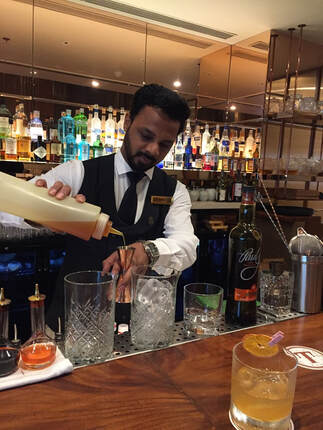 Tresind BKC Tresind BKC Koko
An Asian diner, Koko is known for its thought leadership in the cocktail circuit with use of bold ingredients like the broccoli juice, to Anantmool to parmesan syrup et al. Great place for an Aperitivo evening. Masque A kitchen laboratory more so, the Masque is known for its progressive cuisine with Indian inclination. The cocktail menu compliments the luxury dining experience well with a to the point approach whilst making an impact. O’ Pedro Vibrant, easy, chill are some words that are top of mind when it comes to O Pedro a space which is Goa inspired and the same reflects in its drinks with ingredients like the toddy, triphal, kokum etc. Tresind A modern Indian restaurant of Dubai fame, the Tresind offers you a culinary experience worth every buck and at the same time they ensure the cocktail list heightens the dining experience with its on the table cocktails, the old-fashioned list and more. Yauatcha Perhaps the go-to dimsum place in town, Yauatcha an all-day diner is busy all day long with its Yum Chas and more. A well-stocked bar greets one at the entry and the cocktail list with a global perspective, but Asian overtones will leave you happy high.  Our 2020 drinks trends came to a screeching halt with the pandemic, but the lockdown certainly led to a host of cocktail premix options for thirsty tipplers stranded at their homes or a long-term Airbnb overlooking a valley or ocean. Let us look at what 2021 holds for the drinks space in the country.
Hard Seltzers We always had RTDs(ready to drink) in India, Bacardi Breezer was the name. A new nomenclature now doing the rounds is Seltzer, it simply means carbonated water and Hard Seltzer is an alcoholic variant. It essentially is a spirit+ soda+ sweetener+ flavour. Breezer will now have some company. Fruit Wines Fruit wines were synonymous with Catholic aunties making wine at home as a part of Christmas festivities. Ginger, Orange, Grape et al. Commercially Grapes have been the fruit of choice not just in India but globally, but other fruits only saw traction in the Himachal belt. Maharastra is seeing some affinity to other fruits now, it should pick speed this year. No Alcohol or Zero Proof Spirits Health is paramount and lot of people are turning away from alcohol. To satiate the thirst of such people and teetotallers, companies have come up with no alcohol variants of Gin, Rum, Whisky, Wine, Beer etc. If the price point of these in India is right, they will shine. Canned Cocktails Consistency, convenience, and hygiene are what canned cocktails offer, but the joy of watching the cocktail being made in front of you is missed. Nonetheless amidst this pandemic where people have learnt to party at home, the canned cocktails will be a go to. Rum, Ron, Rhum Rum is made from Sugar cane juice or molasses a by product in Sugar production. In India Whisky which is to be made from grain is made from molasses as the latter is cheaper and we have a plethora of brands, but the irony is that we do not even have half a dozen Rum brands. Old Monk = Rum in India. It is a blue ocean out there and Rum can make a mark. Cognac Most that is consumed in the country is in the southern states, especially Tamilnadu. Brandy is the go-to drink down there for locals and the upper strata drinks the most famous brandy in the world, Cognac. Cognac hasn’t even scratched the surface and Urban India with its big malt audience is all set to be wooed by this special grape spirit. |
Categories
All
Archives
April 2024
|
The Happy High is a Mumbai based beverage consulting co founded in 2014 with a vision to raise the bars of the wine and dine scene in the country. Read more.
|
16, Goldcrest Business Park, LBS Marg, Ghatkopar West, Mumbai 400086.
+91 99307 71739 [email protected] |
 RSS Feed