The Missing Link in Beverage Sales at India’s Luxury Hotels
India’s luxury hotels have some of the country’s finest spaces, premium spirit portfolios, and affluent guests. Yet when it comes to driving beverage sales and building bar culture, many standalone cocktail bars today are outperforming five-star hotels in terms of excitement, guest engagement, and even beverage-led footfall.
The issue is not infrastructure. It is often mindset, storytelling, and how beverage experiences are being delivered. Here’s where many five-star hotels in India are still falling short when it comes to beverage sales and modern bar culture. 1. Beverage Service Is Often Transactional, Not Experiential Guests today are not just ordering a drink. They are buying:
2. Teams Are Not Confident Enough to Upsell One of the biggest revenue gaps in Indian luxury hospitality is premiumisation. Many service teams hesitate to recommend:
In India, this culture is still developing. 3. Hotel Cocktail Menus Often Feel Too Safe Many hotel beverage menus are built around:
4. Bars Are Still Treated as Amenities, Not Destinations This is perhaps the biggest mindset issue. Many hotel bars still function as: “a place within the hotel to have a drink.” Whereas leading standalone bars position themselves as: “destinations people specifically travel to experience.” That shift changes everything:
5. Beverage Training Is Too Operational Most hotel training programs still focus heavily on:
6. Service Teams Often Lack Beverage Knowledge In many hotels:
If servers cannot confidently:
7. Hotels Underestimate Cocktail Culture India’s cocktail scene has evolved dramatically in the last decade. Consumers now actively seek:
8. Beverage Marketing Is Still Weak Most hotels market:
9. Supplier-Led Menus Often Dilute Identity In many cases, beverage menus become overly influenced by supplier placements. The best bars globally build menus around:
10. Many Hotel Bars Still Lack a Clear Identity Perhaps the most important question every luxury hotel bar should ask is: “Why should someone specifically come here for drinks?” The strongest bars in the world have:
The Opportunity Ahead Ironically, luxury hotels in India are actually best positioned to dominate the future of beverage culture. They already have:
Looking to Improve Beverage Sales & Bar Culture?The Happy High works with hotels, restaurants, and bars across India on beverage menu development, bar consulting, hospitality staff training, cocktail culture, and premium guest experiences. Explore Beverage Consulting Services
0 Comments
Entering India’s Wine Market: Why a 5-Year Horizon and Dedicated Brand Advocacy MatterIndia continues to attract interest from global wine producers, driven by its young demographic, evolving consumption patterns, and growing exposure to international products. However, translating this potential into sustained success requires a long-term view and a structured market approach. For wine brands entering India, short-term expectations often lead to underwhelming outcomes. The market rewards patience, consistency, and investment in awareness over time rather than immediate volume. Why India Requires a Longer-Term PlayUnlike more mature wine markets, India is still developing in terms of consumer understanding and accessibility. Awareness of regions, styles, and price positioning is growing, but it remains uneven across segments. This means brands need to invest in building familiarity before expecting scale, which typically involves:
These efforts take time to compound, making a 5-year horizon a more realistic benchmark for meaningful growth. The Role of the Importer—and Its LimitationsImporters play a critical role in market entry, managing logistics, distribution, and regulatory requirements. They also often support initial brand introductions. However, importers typically handle multiple portfolios, which can limit the depth of focus on any single brand. While they enable access, they may not always be positioned to build sustained, brand-specific narratives in the market. This is where an additional layer of advocacy becomes important. Why a Dedicated Brand Ambassador MattersA dedicated brand ambassador provides consistency, focus, and depth in communication—elements that are essential in a market like India. Working alongside the importer, the ambassador can:
Over time, this helps move the brand from being available in the market to being understood within it. Building Visibility Through Knowledge, Not Just PlacementIn India, visibility is not just about shelf presence or listings—it is about recall and recommendation. A brand that is understood is far more likely to be suggested by a sommelier, bartender, or retailer. This is particularly relevant for wine, where decision-making is often guided by trust and familiarity. A structured advocacy approach helps build:
The Challenge for Boutique BrandsFor smaller, boutique producers, allocating resources for a dedicated ambassador can be challenging. In such cases, partnerships, collaborations, and targeted market visits can help build initial traction. However, for brands with a serious long-term outlook and the ability to invest, a dedicated presence in the market significantly improves the likelihood of sustained growth. Aligning Strategy with Market RealityIndia is not a plug-and-play market. Success depends on aligning expectations with how the market functions—slowly building awareness, investing in relationships, and maintaining consistency in communication. Brands that approach India with a clear, long-term strategy tend to see stronger results over time compared to those seeking quick wins. Closing ThoughtIndia offers meaningful opportunity for wine brands, but it requires commitment. A 5-year horizon, combined with dedicated brand advocacy working alongside the importer, provides a more realistic and effective pathway to building visibility, credibility, and long-term presence. Looking to Build Your Wine Brand in India?For wine brands entering or expanding in India, a structured approach to advocacy, education, and market engagement can significantly improve visibility and long-term performance. The Happy High supports brands with trade engagement, tastings, and on-ground advocacy to build meaningful connections in the market. Luxury Wine & Spirit Brands: Why Thought Leadership Matters More Than Follower Count on InstagramIn the world of luxury wines and spirits, perception is everything. Unlike mass-market categories, where visibility often drives scale, luxury is built on credibility, restraint, and context. This distinction becomes especially important on platforms like Instagram, where numbers are often mistaken for influence. For premium brands, the question is not how many people see the content, but who understands it. Luxury Is Built on Depth, Not ReachLuxury wine and spirit brands are rooted in heritage, craftsmanship, and detail. Whether it is the nuances of a single malt, the expression of terroir in a wine, or the complexity of an aged spirit, these are not products that can be communicated through surface-level storytelling alone. A large following may create awareness, but it does not necessarily translate into appreciation or intent. The Limitation of Generic InfluenceInfluencer-led marketing has its place, particularly in driving visibility. However, when applied without context to luxury categories, it often reduces the product to aesthetics rather than substance. A well-shot image may attract attention, but it rarely explains:
Without this layer of understanding, the communication remains incomplete. The Role of Thought LeadershipThought leadership fills this gap by bringing knowledge, perspective, and credibility into the conversation. It shifts the focus from showcasing the product to explaining it. On Instagram, this can take the form of:
This approach may not always generate immediate scale, but it builds something far more valuable—trust. Quality of Audience Over QuantityFor luxury brands, a smaller but more informed audience is often more impactful than a larger, passive one. Engagement from bartenders, sommeliers, collectors, and enthusiasts carries significantly more weight than broad but shallow visibility. These are the individuals who:
In this context, influence is defined by depth, not reach. Consistency Over ViralityLuxury communication benefits from consistency rather than spikes in attention. Regular, well-informed content reinforces credibility over time, allowing the brand to occupy a more authoritative position.This is particularly relevant on Instagram, where trends move quickly but perception builds slowly. Bridging Digital and Real-World ExperienceThe most effective luxury communication does not exist in isolation. It connects digital content with real-world experiences such as tastings, training sessions, and curated events.When audiences see, learn, and then experience the product, the brand narrative becomes far more tangible. A More Considered Approach to InstagramFor luxury wine and spirit brands, Instagram should not be treated purely as a visibility tool. It is a platform to build narrative, educate audiences, and reinforce positioning. This requires a shift:
Closing ThoughtIn luxury, influence is not measured by how many people see your content, but by how many understand it.And in a category defined by depth and detail, thought leadership remains one of the most effective ways to build lasting value. Looking to Build Stronger Brand Advocacy?For luxury wine and spirit brands, long-term value is built through understanding and credibility, not just visibility. Engaging the right voices—bartenders, sommeliers, and informed professionals—can create deeper connections that translate into real-world recommendations and sustained brand presence. The Happy High works with brands to build advocacy through education-led tastings, trade engagement, and content that goes beyond surface-level reach. Why Champagne Is an Acquired Taste in India — And Why the Market Needs Champagne AmbassadorsChampagne remains one of the most aspirational beverages in India. It is associated with celebration, luxury, and status. Yet, despite its global prestige, Champagne continues to be an acquired taste for the Indian consumer. The gap between perception and understanding presents one of the biggest opportunities in India’s evolving wine market. Why Champagne Feels “Different” to Indian ConsumersFor many first-time drinkers in India, Champagne can feel sharp, acidic, or even underwhelming compared to fruit-forward wines or spirits. This is not a flaw — it is a reflection of how Champagne is made. Champagne is naturally high in acidity, has lower fruit perception as opposed to say a prosecco, and develops complex flavours like brioche, toast, and nuttiness due to ageing on lees. Unlike sweeter or fruit-driven sparkling wines, Champagne prioritises structure, texture, and complexity. These are characteristics that require a trained palate or repeated exposure to fully appreciate. The Indian Palate and the ChallengeIndian consumers are conditioned towards: • Bolder flavours • Perceived sweetness • Immediate gratification in taste Champagne, on the other hand, offers subtlety — fine bubbles, high acidity, and layered complexity. Without context or guidance, this can often be misunderstood as “too dry” or “too sour.” Champagne Is Not Just a Drink — It Is an ExperienceGlobally, Champagne is rarely consumed in isolation. It is experienced through: • Guided tastings • Food pairings • Storytelling around terroir and production • Occasion-led consumption The traditional method of production — bottle fermentation and long ageing — gives Champagne its signature finesse, creamy texture, and complexity, which are best understood when explained, not just consumed. Why India Needs Champagne AmbassadorsAs India’s premium consumer base expands, the demand for fine beverages is increasing. However, awareness has not kept pace with availability. This is where Champagne ambassadors — trained professionals, educators, and sommeliers — become critical to the ecosystem. They help: • Demystify Champagne for new consumers • Conduct structured tastings and masterclasses • Bridge the gap between luxury and understanding • Drive meaningful consumption beyond celebration Without this layer of education, Champagne risks remaining a “status purchase” rather than a category that consumers genuinely engage with. The Opportunity: India’s Growing Luxury DemographicIndia is witnessing rapid growth in high-income consumers across sectors and geographies. These audiences are not just looking to consume — they are looking to understand, experience, and engage. Champagne, when presented correctly, fits perfectly into this aspiration-driven ecosystem. Promoting wine tourism in Champagne can play a significant role in building long-term engagement with these consumers. When travellers visit the region, experience vineyard tours, understand the traditional method, and taste wines in their place of origin, it creates a far deeper connection than any retail or restaurant interaction can offer. These immersive experiences convert curiosity into appreciation and, more importantly, into advocacy. As Indian outbound travel continues to grow, Champagne houses and tourism bodies have an opportunity to actively engage this audience through curated visits, tastings, and educational programs. The result is not just increased consumption abroad, but a more informed and confident consumer base back in India — one that understands the value of Champagne beyond occasion-driven indulgence. A Perspective from the Industry“Champagne in India is still largely consumed for the label, not the liquid. The real opportunity lies in creating experiences that allow consumers to understand its finesse, versatility, and pairing potential. Once that bridge is built, the category grows organically,” says Ajit Balgi, Certified wine educator, BNIC Cognac Educator. Final WordChampagne does not need more visibility in India — it needs more understanding. As the market matures, the role of educators, sommeliers, and structured tasting experiences will define how deeply the category penetrates the Indian consumer base. Explore Champagne & Wine ExperiencesDiscover curated tastings, wine education, and beverage experiences designed for modern consumers and professionals. Wine & Spirits Media in India, more platforms will see lightIndia’s wine and spirits industry is evolving rapidly. Premium bars are expanding, global brands are entering the market, and consumer awareness is steadily improving. Yet, one critical gap continues to exist — the lack of enough structured, credible, and industry-led beverage media. While information today is abundant, clarity is not. The difference between noise and knowledge is what defines a mature market. Beyond Listings and PromotionsMuch of the current beverage content ecosystem is driven by listings, promotional posts, or surface-level features. While these serve a purpose, they rarely contribute to long-term understanding of categories, products, or industry dynamics. For a market as complex as India — with evolving regulations, diverse consumer behaviour, and fragmented distribution — deeper, more structured communication becomes essential. Why the Industry Needs Thought-Led ContentA strong beverage ecosystem requires: • Category education across wine, spirits, and cocktails • Insight into global trends adapted to Indian realities • Product understanding beyond pricing and availability • Structured knowledge for both professionals and consumers Without this layer of understanding, growth remains transactional rather than sustainable. Bridging Industry, Professionals, and ConsumersThe future of beverage media in India lies in bridging three key stakeholders: • Brands seeking informed positioning • Hospitality professionals driving on-ground experiences • Consumers looking for clarity and confidence in their choices A platform that can connect these layers through structured content, education, and insights becomes more than just media — it becomes an industry enabler. A More Structured Approach to Beverage CommunicationThe next phase of growth in India’s wine and spirits space will not be driven by visibility alone, but by understanding. This requires: • Educational frameworks that simplify complex categories • Insights that are relevant to the Indian market • Consistent communication across formats — articles, tastings, and training • A long-term view on building category awareness When knowledge becomes accessible and structured, it naturally translates into better consumption, stronger brands, and a more confident industry. The Role of Integrated PlatformsIn global markets, leading beverage ecosystems are supported by platforms that combine education, consulting, and media. India is now at a stage where similar integrated approaches are becoming increasingly relevant. Such platforms do not operate in silos. They build credibility through education, apply knowledge through consulting, and share insights through structured content. Final PerspectiveAs the Indian beverage industry matures, the role of informed, credible, and consistent communication will only grow in importance. The shift from promotional noise to structured knowledge is not just desirable — it is inevitable. Elevating HNI Engagement Through Sommelier-Led Experiences in IndiaIn today’s luxury ecosystem — private banking, wealth management, and luxury real estate — client engagement is no longer transactional. It is experiential. Sommelier-led wine and spirits tastings are increasingly used to build trust, improve recall, and deepen HNI relationships. The Luxury Experience Portfolio□ Single Malt WhiskyStructured tastings focused on origin, flavour, and storytelling for premium audiences. □ Champagne & SparklingUsed in luxury launches, milestone events, and high-value client engagements. □ SakeA growing luxury category with strong appeal in modern fine dining and global HNI circles. □ CognacHeritage-led tastings focused on legacy, craftsmanship, and luxury positioning. Pan-India Corporate Sommelier SessionsThe Happy High has delivered curated sommelier-led experiences for premium corporate and HNI audiences across India. Cities include:
Why Banks & Luxury Developers Use Sommelier-Led Engagements
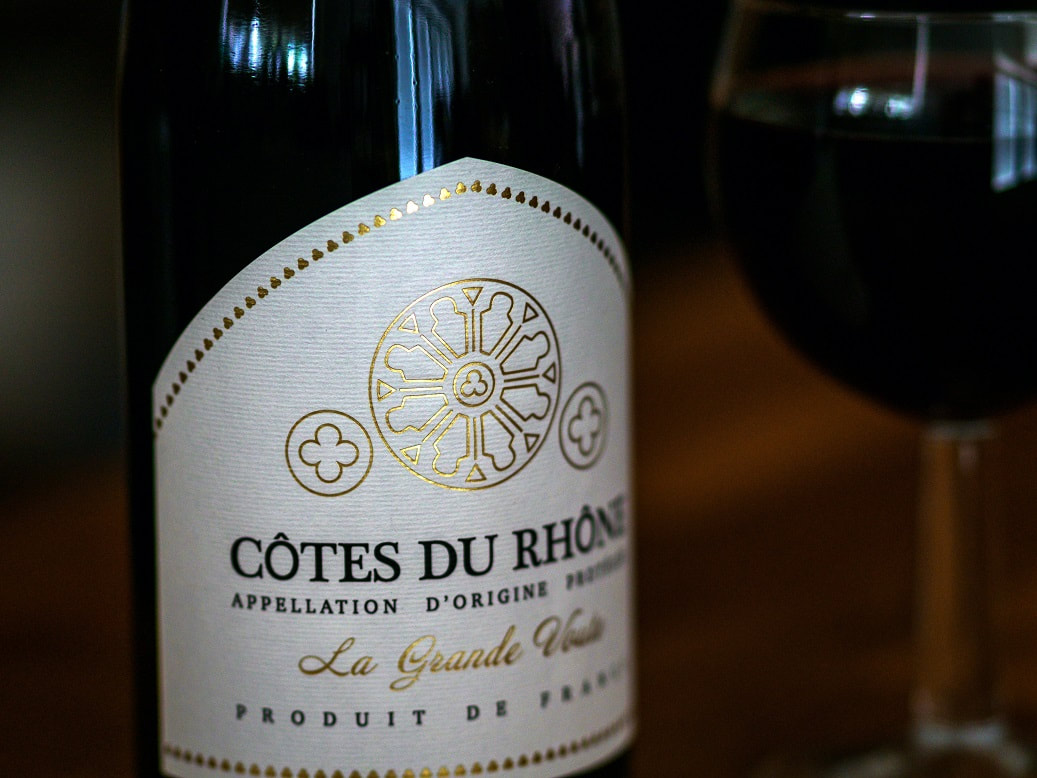
Core PhilosophyWine, whisky, cognac, and sake are cultural tools that shape conversation, trust, and long-term relationships in premium business environments. Explore Corporate TastingsDiscover sommelier-led experiences designed for HNI engagement and luxury brand storytelling. □ Learn more: Rich, Fruity, warm, bold are some terms that are top of mind when one thinks of Southern Rhone reds. Usually upwards of 13.5% alcohol these wines are blends with a majority of Grenache grape in the blend and supported by Shiraz, Mourvedre, Cinsault and Carignan. Cote Du Rhone is the regional appellation encompassing a large vinicultural area and makes fruity easy drinking wines that are easiest on the pocket too. Cote Du Rhone Villages is a more defined area and a few notches higher in status. Then comes the village wines which are tightly defined and offer finer wines. Chateau Neuf Du Pape, Gigondas, Vaqueyras, Lirac, Ventoux are some popular examples. Southern Rhône Red Wines in the Indian Market (Mumbai Prices)Côtes de Ventoux La Vieille Ferme AOC Côtes de Ventoux – Rs 2099 Côtes du Rhône Victor Berard Côtes du Rhône – Rs 2295 Gigondas Saint Cosme, Gigondas – Rs 9774 Vacqueyras Terroir Daronton Vacqueyras – Rs 6450 Châteauneuf du Pape Terroir Daronton Châteauneuf du Pape – Rs 7250 Who doesn't like a good deal and that too in India where taxation puts the wine prices to sky high. Here we discuss wines and brands which offer a good bet in the glass at a price point of 2000 Rs or under. Of course needless to say that there are enough examples of Indian wines which offer fantastic value, but this list if for those who are looking beyond local Indian wines. Imported Red Wines under 2000 Rs with Mumbai Maharashtra pricingBordeaux France Cap Royal Superior Rs 1900
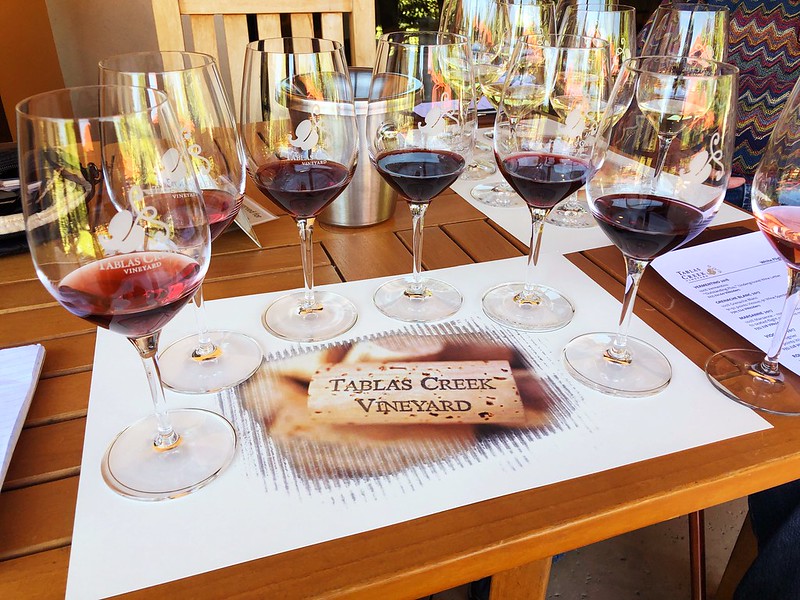
Cabernet Sauvignon Chile Apaltagua, Gran Verano RS 1900 Cabernet Sauvignon South Africa MAN Family, OU KALANT Rs 1995 Grenache Syrah France M Chapoutier Rs 1950 Malbec Argentina Argento Rs 1700 Malbec Argentina Michel Torino Rs 1995 Merlot Chile Monte Pacifico, rapel Valley Rs 1650 Merlot Chile Maancura Etnia Rs 1795 Merlot Chile Carta Vieja limited release Rs 1896 Montepulciano Italy Pasqua, Abruzzo DOC Rs 1899 Nero D'Avola Italy Sensi Sicilu RS 1889 Pinotage South Africa Cape Elephant Rs 1500 Pinotage South Africa Cape Dreams Rs 1965 Pinot Noir France Le Grand Noir, Rs 1550 Pinot Noir Germany I Heart Rs 1750 Shiraz Australia Wolf Blass Bilyara Rs 1975 Tempranillo Spain Casa El Unico Calatayud DO Rs 1800 Tempranillo Spain Campo Viejo Rioja Rs 2000 Wine & Spirit sales saw a slight decline in the early phase of the first lockdown but since then it has been an upward trajectory, thanks for liquor delivery being permitted in key states, latest to the list being Delhi. All it needed was technology to bridge the gap between the retailers and the consumers, multiple apps or websites were born as a result. Here are some liquor delivery apps/websites operating in Mumbai, Maharashtra.
Bottleofluid Living Liquidz Liquid Library Nature’s Basket (wine and beer only) Spiritzone The Wine Park (wines only) TullyGully Please note: Be careful while doing online financial transactions as there are rising cases of frauds related to liquor delivery. Verify carefully. And yes, once you get it delivered, do not forget to drink in moderation and responsibly. |
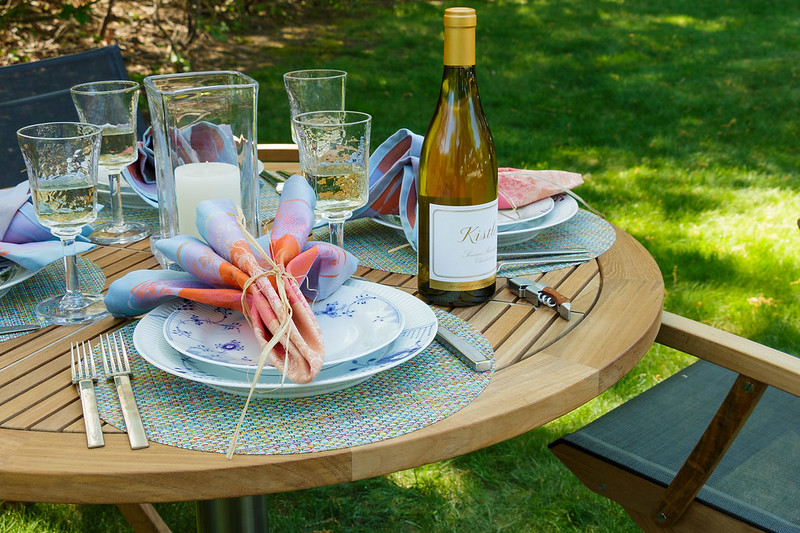
Opinions & Insights on Wine, Spirits, Bartending and Sommelier CultureThe Happy High blog shares perspectives on the evolving world of wine, spirits, bartending, and sommelier culture in India and around the globe. From industry observations and beverage education to bar culture and hospitality trends, this section captures our views from the frontlines of the alcobev industry. Categories
All
Archives
July 2026
|
|
The Happy High is a Mumbai based beverage consulting co founded in 2014 with a vision to raise the bars of the wine and dine scene in the country. Read more.
|
416, Goldcrest Business Park, LBS Marg, Ghatkopar West, Mumbai 400086. (visit by appointment only )
+91 99307 71739 [email protected] |
You must be of legal drinking age in your country or region to enter this site.