|
When World Gin Day is celebrated this year, India has far more to toast than a handful of award-winning bottles. Less than a decade ago, premium gin was a niche category dominated by imported labels. Today, India is one of the world's most exciting gin-producing nations, home to dozens of craft distilleries, internationally recognised brands, and a consumer base that has embraced botanical spirits like never before.The scale of the opportunity is significant. According to industry estimates, the Indian gin market is valued at approximately USD 1.79 billion in 2025 and is projected to reach USD 2.95 billion by 2032, growing at a 7.4% CAGR (Ref: FE). This growth is being driven by premiumisation, the rise of cocktail culture, increasing consumer experimentation, and the success of homegrown craft gin brands that have redefined what Indian gin can be.
The modern Indian gin movement can be traced to a handful of brands that chose to create something uniquely Indian rather than imitate traditional London Dry styles. Brands such as Greater Than, Hapusa, Stranger & Sons, Malhar etc demonstrated that Indian botanicals could produce world-class spirits. Instead of relying solely on imported ingredients, distillers turned to Himalayan juniper, Gondhoraj lime, Darjeeling tea, turmeric, coriander, cardamom, black pepper and dozens of indigenous botanicals. The result was a new category that felt authentically Indian while remaining globally competitive. Perhaps the strongest validation of the category arrived in 2025 when Diageo India, through United Spirits, acquired NAO Spirits, the company behind Greater Than and Hapusa. Valued at roughly ₹110-130 crore, the transaction was more than a corporate acquisition. It signalled that India's largest spirits players believe craft gin has a meaningful future in the premium alcohol landscape. Today, Greater Than remains one of the category's most influential brands, often cited as India's first craft gin. Hapusa has developed a cult following for its use of wild Himalayan juniper, while Stranger & Sons has become one of India's most internationally recognised craft spirit exports. Jaisalmer has successfully bridged the gap between luxury packaging and accessible premium positioning, helping introduce many consumers to Indian craft gin. Yet World Gin Day 2026 also arrives at an interesting moment. The explosive growth years may be slowing. Industry observers have noted increasing competition from tequila and premium vodka, categories that are attracting younger consumers seeking novelty and experimentation. The challenge for gin is no longer awareness; it is relevance. Gin now has a place in India's cocktail bars, home bars, premium restaurants and retail shelves. Bartenders understand it. Consumers recognise it. Distillers continue to innovate with regional ingredients and limited editions. World Gin Day is therefore not simply a celebration of a spirit. In India, it is a celebration of a category that has matured from curiosity to credibility. The question is no longer whether India can make great gin. The world already knows it can.The more interesting question is what Indian distillers will create next.
0 Comments
The Missing Link in Beverage Sales at India’s Luxury Hotels
India’s luxury hotels have some of the country’s finest spaces, premium spirit portfolios, and affluent guests. Yet when it comes to driving beverage sales and building bar culture, many standalone cocktail bars today are outperforming five-star hotels in terms of excitement, guest engagement, and even beverage-led footfall.
The issue is not infrastructure. It is often mindset, storytelling, and how beverage experiences are being delivered. Here’s where many five-star hotels in India are still falling short when it comes to beverage sales and modern bar culture. 1. Beverage Service Is Often Transactional, Not Experiential Guests today are not just ordering a drink. They are buying:
2. Teams Are Not Confident Enough to Upsell One of the biggest revenue gaps in Indian luxury hospitality is premiumisation. Many service teams hesitate to recommend:
In India, this culture is still developing. 3. Hotel Cocktail Menus Often Feel Too Safe Many hotel beverage menus are built around:
4. Bars Are Still Treated as Amenities, Not Destinations This is perhaps the biggest mindset issue. Many hotel bars still function as: “a place within the hotel to have a drink.” Whereas leading standalone bars position themselves as: “destinations people specifically travel to experience.” That shift changes everything:
5. Beverage Training Is Too Operational Most hotel training programs still focus heavily on:
6. Service Teams Often Lack Beverage Knowledge In many hotels:
If servers cannot confidently:
7. Hotels Underestimate Cocktail Culture India’s cocktail scene has evolved dramatically in the last decade. Consumers now actively seek:
8. Beverage Marketing Is Still Weak Most hotels market:
9. Supplier-Led Menus Often Dilute Identity In many cases, beverage menus become overly influenced by supplier placements. The best bars globally build menus around:
10. Many Hotel Bars Still Lack a Clear Identity Perhaps the most important question every luxury hotel bar should ask is: “Why should someone specifically come here for drinks?” The strongest bars in the world have:
The Opportunity Ahead Ironically, luxury hotels in India are actually best positioned to dominate the future of beverage culture. They already have:
Looking to Improve Beverage Sales & Bar Culture?The Happy High works with hotels, restaurants, and bars across India on beverage menu development, bar consulting, hospitality staff training, cocktail culture, and premium guest experiences. Explore Beverage Consulting ServicesHow Indian Single Malts Are Redefining Whisky Through Innovation and EnvironmentIndian single malts are no longer trying to prove themselves—they are quietly building their own identity. What makes this evolution particularly interesting is not just quality, but the distinct ways in which Indian producers are approaching raw materials, maturation, and product strategy. From experimenting with different cask expressions to working with six-row barley and leveraging unique ageing conditions, Indian single malts are beginning to stand apart in ways an creating their own niche. Cask Experimentation Beyond the ObviousGlobally, cask finishes have become a familiar tool—sherry, bourbon, port, and wine casks dominate conversations. Indian producers, however, are beginning to move beyond predictable patterns. Distilleries like Paul John have built a strong narrative around their annual Christmas Editions—limited releases that showcase evolving cask strategies, including maturation and finishing across multiple cask types that bring layered tropical, spice-driven, and dessert-like profiles. Amrut, one of the pioneers of Indian single malts, has consistently explored complex cask interplay. Expressions such as Kadhambam highlight multi-cask maturation—bringing together brandy, rum, and sherry cask influences to create a whisky that is structurally layered rather than linear. At the more experimental end, Crazy Cock has explored uniquely Indian cask influences through its Madhuca series, where the whisky is finished in casks that previously held Mahua spirit—adding an indigenous dimension rarely seen in global whisky production. The result across these approaches is not just variation, but intensity—flavours evolve faster in Indian conditions, often delivering a profile that feels more mature at a younger age. The Rise of Limited ReleasesAnother noticeable shift is the increasing number of limited releases. These are not just marketing exercises but serve as a platform for experimentation and storytelling. Paul John’s Zodiac Series is a strong example of this approach—each release inspired by astrological signs, but more importantly, used as a vehicle to explore different cask styles and flavour profiles. Similarly, Amrut has long used limited editions to push the boundaries of Indian whisky. Expressions like Greedy Angels highlight the impact of India’s high angel’s share, resulting in highly concentrated, rich whiskies, while Kadhambam showcases the complexity that can be achieved through multi-cask maturation. These releases allow producers to:
For consumers, this creates a sense of discovery. For producers, it builds long-term credibility as each release contributes to a broader identity. Six-Row Barley: A Distinctive BaseOne of the lesser-discussed but important differentiators is the use of six-row barley in India, as opposed to the two-row barley more commonly used in traditional whisky-producing regions. Brands like Paul John explicitly use Indian six-row barley sourced from regions such as Rajasthan and the Himalayan foothills, contributing to a flavour profile shaped by local agriculture. Six-row barley typically has:
While it presents challenges in processing, it also contributes to a flavour profile that is uniquely Indian—often fuller, oilier, fruty, grain-forward, and structurally different from its global counterparts. Ageing: Climate as a Defining FactorPerhaps the most defining element of Indian single malts is maturation. India’s climate accelerates the ageing process significantly compared to cooler regions. Distilleries such as Paul John, located in Goa, benefit from high humidity and coastal conditions, which increase interaction between spirit and wood. At the same time, evaporation losses—often referred to as the angel’s share—are significantly higher, leading to faster concentration of flavours. Across the category, producers are also exploring different storage environments, including both above-ground and underground maturation, to manage temperature variation and influence flavour development. The result is whisky that matures differently—not just faster, but with a distinct intensity and character. Building Identity, Not ImitationFor a long time, comparisons with established whisky regions were inevitable. Today, that comparison is becoming less relevant. Indian single malts are not simply trying to replicate Scotch-style profiles. Instead, they are leaning into what makes them different—climate, raw materials, and a willingness to experiment. With producers like Amrut setting early benchmarks, and brands such as Paul John continuing to expand the narrative, the category is steadily moving towards defining itself on its own terms.
"For a long time, Indian single malts were discussed in comparison to Scotch. That comparison is increasingly redundant. The more relevant conversation today is not how close Indian whisky gets to global benchmarks, but how confidently it is moving away from them."said Ajit Balgi, Whisky expert,The Happy High
Closing ThoughtThe evolution of Indian single malts is not about catching up—it is about carving out a space that is uniquely its own. With continued innovation in cask usage, a deeper understanding of local ingredients, and a willingness to embrace unconventional ageing methods, Indian whisky is steadily building a narrative that is both credible and distinct. Discover Indian Whisky with ExpertsAs Indian single malts continue to evolve, understanding their nuances—from cask influence to climate-driven ageing—requires more than just tasting. It requires context, insight, and guided experience. The Happy High works with corporates, brands, and enthusiasts to curate immersive whisky experiences that go beyond the glass—bringing stories, techniques, and tasting frameworks together. Understanding Indian Whiskies: Blends and Single MaltsIndia’s whisky landscape is evolving rapidly, with consumers increasingly exploring premium and diverse offerings. Alongside this growth, there are several whiskies in the market that, through their presentation and positioning, are sometimes perceived as single malts—while they are, in fact, blended whiskies. This is not uncommon. Across global markets, branding, storytelling, and packaging often shape how a product is experienced, even before it is tasted. A Quick Look at the CategoriesA single malt whisky is made from 100% malted barley and produced at a single distillery. A blended whisky combines different whiskies, which may include both malt and grain spirits. Both categories have their own identity and craftsmanship, with the distinction lying in their production approach. Indian Whiskies That Are BlendsThe following Indian whiskies are blended whiskies, though their premium positioning and design may lead some consumers to associate them with single malts:
Each of these brands contributes to the growing diversity of Indian whisky, offering distinct flavour profiles and experiences. What Shapes PerceptionSeveral elements influence how these whiskies are interpreted:
Why the Distinction MattersUnderstanding the difference between blended whiskies and single malts helps consumers:
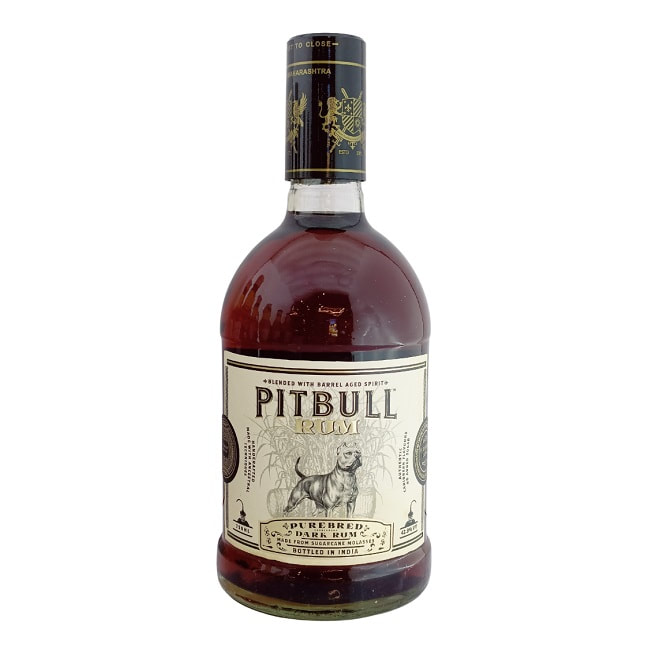
Blended whiskies are crafted for balance and consistency, and they continue to play an important role in both everyday and premium segments. The Bigger PictureAs whisky culture in India matures, conversations around ingredients, production, and categories are becoming more common. This growing awareness is a positive step for the industry. Rather than comparing categories directly, there is value in understanding each whisky for what it represents. Final ThoughtIndia is producing an increasingly diverse range of whiskies. Recognising the distinction between blends and single malts allows for a more informed and enjoyable exploration of the category. As the largest producer and consumer of sugar, it is an irony that India doesn't produce Rums that would put its name on the Rum map and the even bigger one is that most of the million case whiskies from India are produced from molasses, a raw material for rum. How about Old Monk then? Old monk is a Cult more than a Rum and sits high on a pedestal. Well the scenario is changing now and we have rum brands mushrooming or should I say rum culture finding feet in India. Here are the brands you should know: Short Story Pitbull Segredo Aldeia Camikara Alejandro Earth 2 Indies Makazai Rock Paper Wild Tiger Ron De Ugar Wine & Spirit sales saw a slight decline in the early phase of the first lockdown but since then it has been an upward trajectory, thanks for liquor delivery being permitted in key states, latest to the list being Delhi. All it needed was technology to bridge the gap between the retailers and the consumers, multiple apps or websites were born as a result. Here are some liquor delivery apps/websites operating in Mumbai, Maharashtra.
Bottleofluid Living Liquidz Liquid Library Nature’s Basket (wine and beer only) Spiritzone The Wine Park (wines only) TullyGully Please note: Be careful while doing online financial transactions as there are rising cases of frauds related to liquor delivery. Verify carefully. And yes, once you get it delivered, do not forget to drink in moderation and responsibly. |
Opinions & Insights on Wine, Spirits, Bartending and Sommelier CultureThe Happy High blog shares perspectives on the evolving world of wine, spirits, bartending, and sommelier culture in India and around the globe. From industry observations and beverage education to bar culture and hospitality trends, this section captures our views from the frontlines of the alcobev industry. Categories
All
Archives
May 2026
|
|
The Happy High is a Mumbai based beverage consulting co founded in 2014 with a vision to raise the bars of the wine and dine scene in the country. Read more.
|
416, Goldcrest Business Park, LBS Marg, Ghatkopar West, Mumbai 400086. (visit by appointment only )
+91 99307 71739 [email protected] |
You must be of legal drinking age in your country or region to enter this site.